Agency Metrics & KPIs Explained: Track Growth & Profitability
- What are Agency Metrics?
- Importance of Tracking Agency Metrics
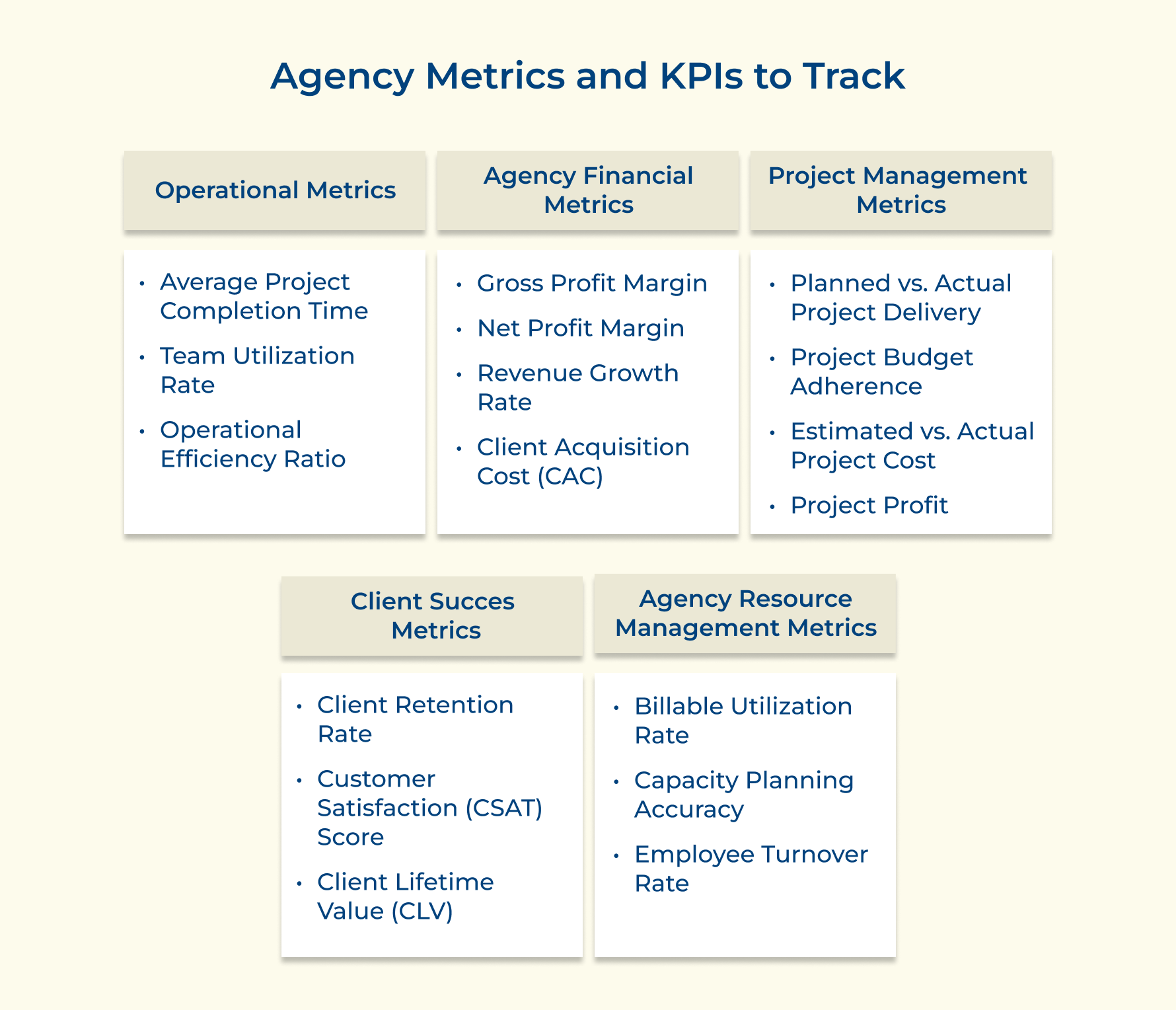
- 16 Top Agency Metrics and KPIs to Track
- Operational Metrics
- Agency Financial Metrics
- Project Management Metrics
- Client Success Metrics
- Agency Resource Management Metrics
- Elevate your Agency’s Performance with Clear Insights
- FAQs about Project Management Communication

Key Highlights:
- Agency metrics reveal where revenue leaks, inefficiencies hide and profitable clients truly exist.
- Tracking the right agency KPIs helps detect risks early and protect margins.
- Clear agency KPIs improve profitability, team accountability and long-term client relationships.
Working harder than ever, yet agency revenue still feels stuck. Projects run past deadlines, budgets creep up without warning and it’s unclear which clients actually drive profit versus quietly eating into margins.
The issue usually isn’t a lack of talent. It’s a lack of visibility. When the right metrics aren’t being tracked, decisions rely on instinct instead of real data. That makes it difficult to spot inefficiencies, control costs, or scale profitably.
This guide breaks down the essential agency metrics that bring clarity to the chaos. Each metric connects day-to-day work with real revenue impact, showing exactly what’s working and what’s not. Along the way, you’ll see how to calculate each metric and get practical ideas for improving the numbers that truly move agency growth.
What are Agency Metrics?
Agency metrics are quantifiable measurements that track how well your agency performs across different areas of the business. These indicators reveal in case you’re moving in the right direction or need to adjust your strategy.
When it comes to profitability and growth alongside client success, agency performance metrics give you the complete picture of your business health. They help you understand if you’re actually making money while delivering quality work that keeps clients happy. These measurements connect the dots between financial success and the value you create for the people you serve.
Key principles:
- Relevance: Choose metrics that directly connect to your specific business goals rather than tracking everything possible.
- Actionability: Select measurements that lead to clear decisions and concrete steps you can take to improve.
Consistency: Track your metrics using the same methods and timeframes so you can spot real trends as well as patterns. - Simplicity: Keep your dashboard focused on the metrics that truly matter instead of drowning in data that creates confusion.
Importance of Tracking Agency Metrics
Understanding your metrics transforms how you run your agency. Let’s explore the tangible advantages that come from measuring what matters.
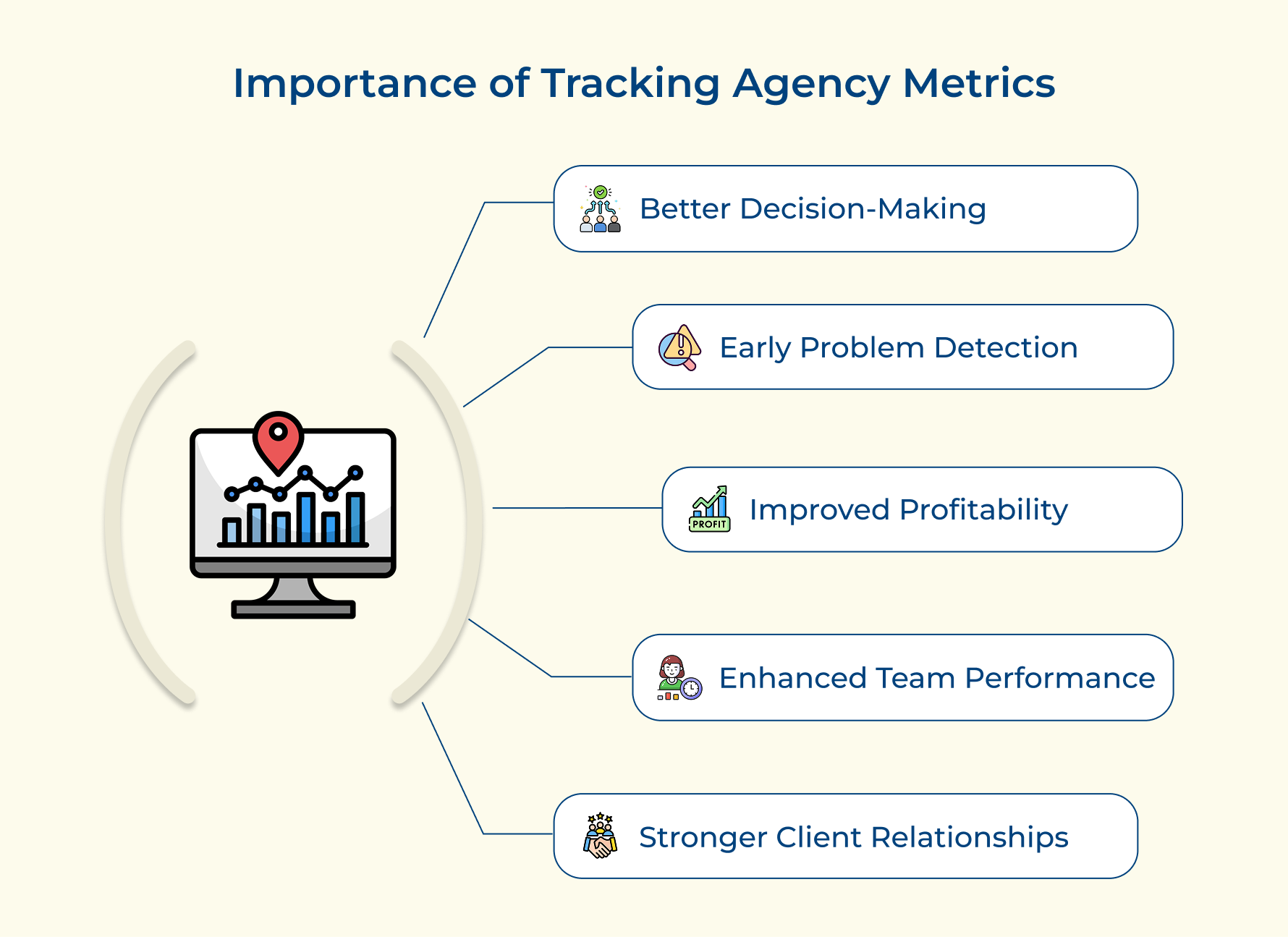
Better Decision-Making
Metrics take the guesswork out of running an agency by showing what’s really happening behind the scenes. Instead of relying on assumptions, decisions are backed by data that clearly highlights what drives Gross Revenue and what slows agency profitability. The clarity makes it easier to invest time and resources into initiatives that deliver results.
Early Problem Detection
Regularly tracking performance indicators helps surface issues before they turn into serious setbacks. A sudden dip in client retention or project margins acts as an early warning sign. Timely visibility helps teams investigate the root cause, make adjustments and course-correct before small problems escalate into bigger risks.
Improved Profitability
Looking closely at margins across different clients and project types reveals where money is truly being made. This insight highlights high-value work worth scaling and exposes engagements that slowly erode returns. Better visibility ensures agencies refine pricing, adjust scope, or walk away from work that no longer makes financial sense.
Enhanced Team Performance
Clear metrics give teams meaningful targets and a better understanding of how their work contributes to overall success. When progress is visible, motivation improves and accountability feels more constructive. People tend to perform better when they can clearly connect daily tasks to measurable outcomes.
Stronger Client Relationships
Measuring satisfaction, delivery quality and outcomes helps agencies consistently deliver value. Potential concerns can be addressed early and results can be shared with clients using real evidence instead of vague updates. The transparency builds trust and supports longer, more resilient client partnerships.
16 Top Agency Metrics and KPIs to Track
Let’s explore the 16 top agency metrics and KPIs you should prioritize to ensure your agency not only survives but thrives in a competitive landscape.
Operational Metrics
Average Project Completion Time
The measurement is about how long your agency takes to finish projects from start to final delivery. It reveals if your processes are streamlined or if bottlenecks are slowing you down and eating into profitability.
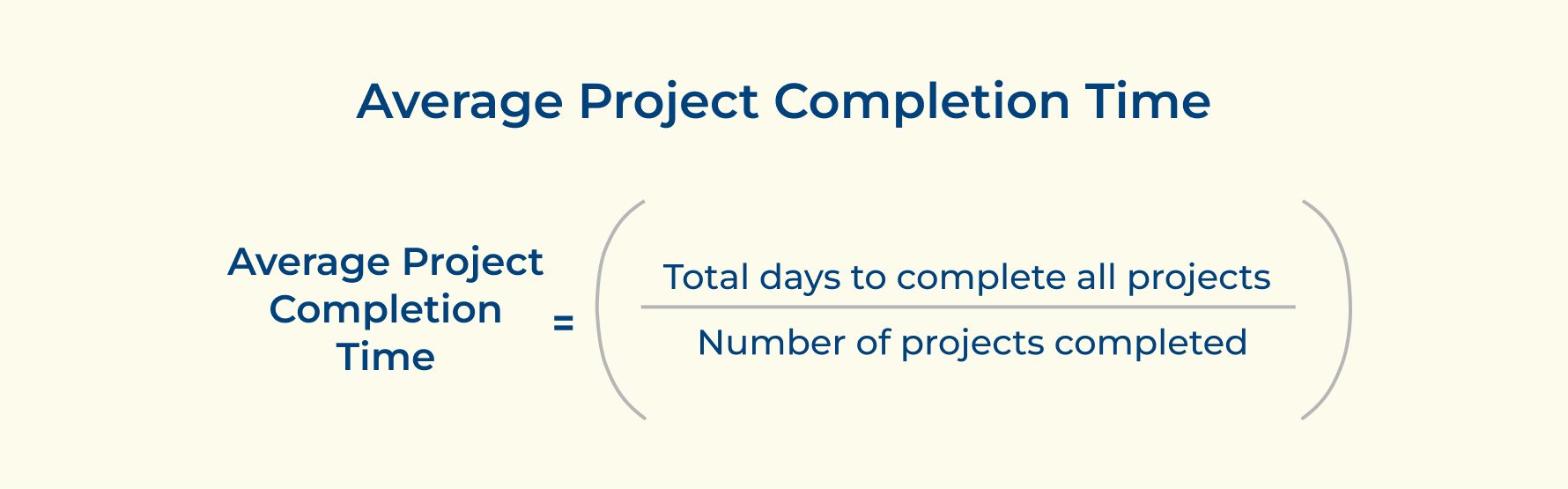
The purpose is to identify patterns in your delivery speed and find opportunities to work more efficiently. You measure this by tracking calendar days between project kickoff and final client approval.
If your agency completed five projects with durations of 30, 45, 25, 40 and 35 days, your calculation would be: (30 + 45 + 25 + 40 + 35) ÷ 5 = 35 days average.
Team Utilization Rate
This measures the percentage of your team’s available working hours spent on productive client work. It shows in case you’re making the most of your human resources or if people are sitting idle.
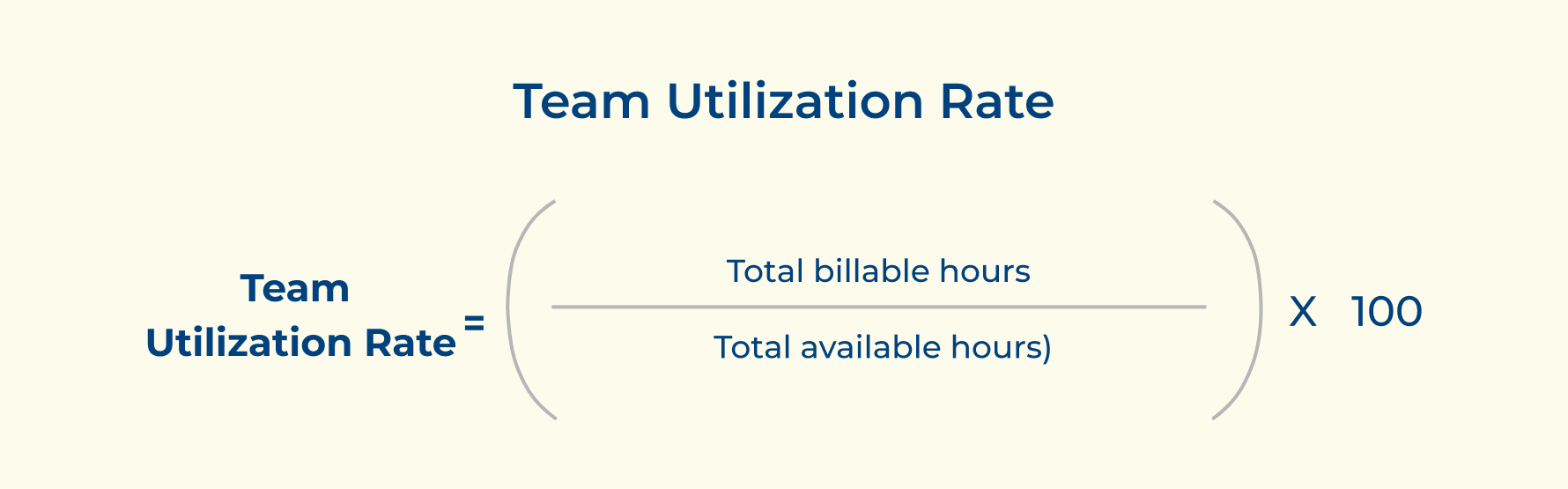
Understanding the components helps you see where time goes:
- Total billable hours: represents actual time your team logs on client projects that you can invoice.
- Total available hours: is maximum working time after removing vacation days, holidays and sick leave.
Marketing agencies typically aim for 60-75% utilization while creative agencies target 70-80%. Development agencies usually shoot for 75-85% because their work is more predictable.
If your five-person team has 800 total available hours and logged 600 billable hours, your calculation is: (600 ÷ 800) × 100 = 75% utilization.
Operational Efficiency Ratio
Operational efficiency metric compares your revenue against operating costs to show how efficiently your agency converts expenses into income. It reveals if your business model is sustainable.
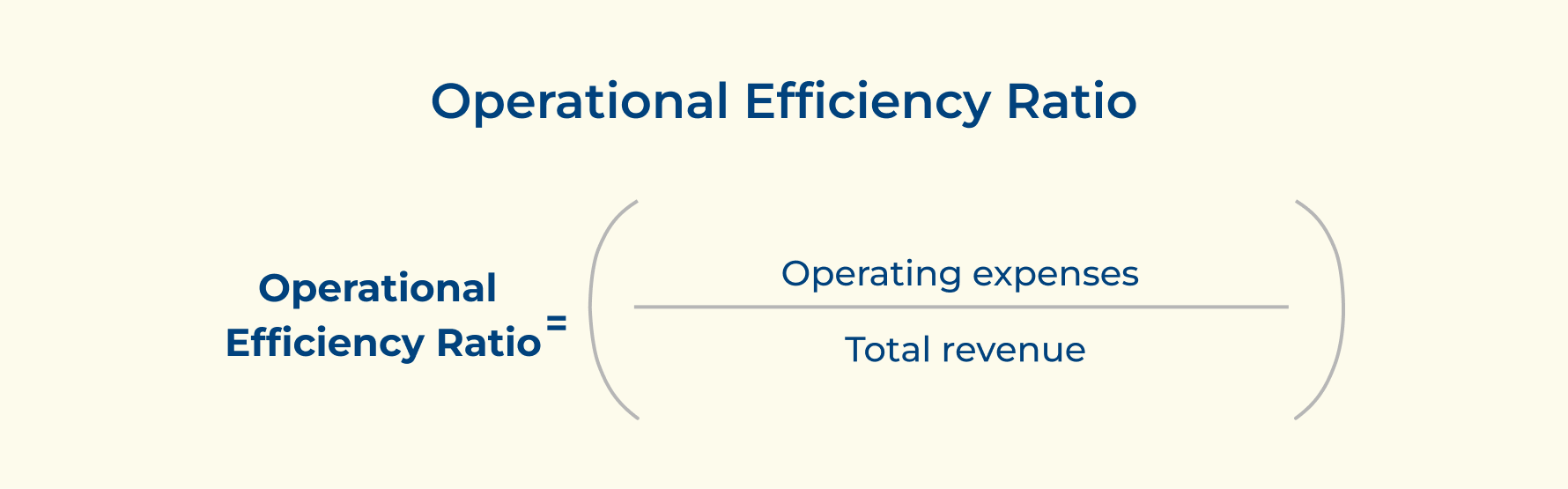
Breaking down the calculation:
- Operating expenses: include all costs of running your agency like salaries, software subscriptions and office rent.
- Total revenue: represents all money your agency brings in from client work before deducting expenses.
As a standard benchmark you should aim for a ratio below 0.80, meaning spending less than 80 cents per dollar earned.
How can you improve this ratio if it’s too high? Increase revenue without proportionally raising costs or reduce expenses without hurting service quality through automation or better vendor rates.
Agency Financial Metrics
Gross Profit Margin
Gross profit margin is the percentage of revenue remaining after subtracting direct costs of delivering your services. It shows if you’re pricing projects correctly and if delivery costs are under control.
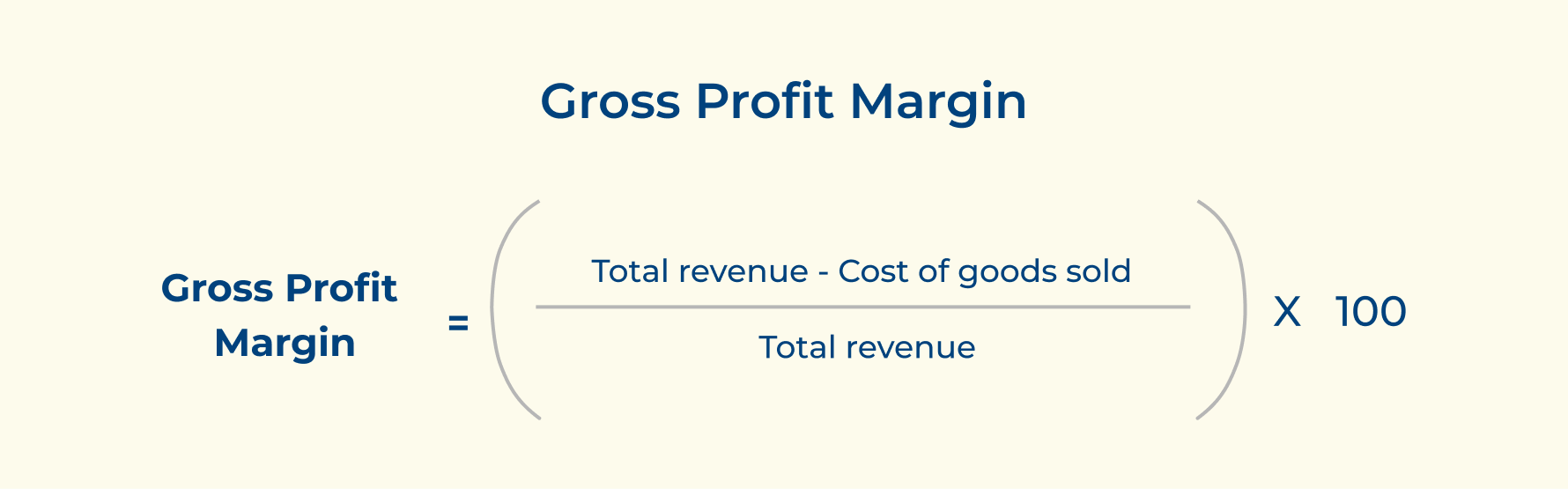
This helps you understand if your core service delivery is profitable before considering overhead expenses. You track all revenue against direct project costs including contractor fees and team salaries tied to client work.
If your agency earned $100,000 with $40,000 in direct costs, your calculation is:
[($100,000 – $40,000) ÷ $100,000] × 100 = 60% gross profit margin.
Net Profit Margin
This shows what percentage of total revenue becomes profit after every expense gets paid. It tells you in case your agency is genuinely making money.
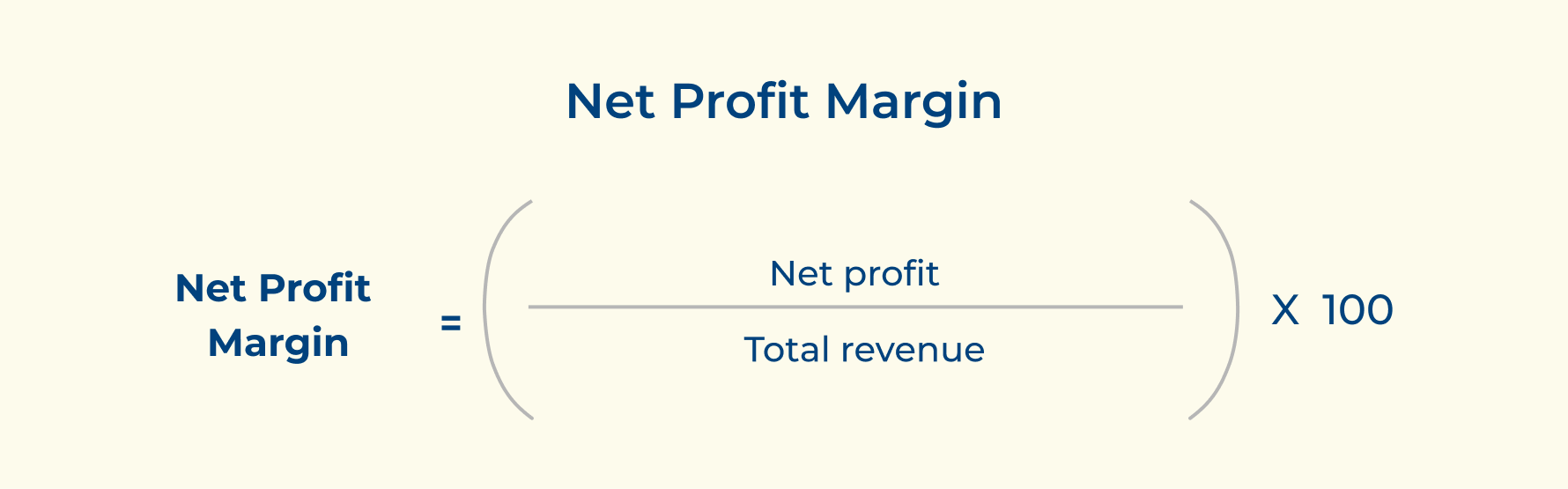
Here’s what each piece represents:
- Net profit: is what remains after subtracting all expenses including operating costs and taxes from revenue.
- Total revenue: captures all money flowing into your agency from client projects.
Marketing agencies typically see a standard benchmark of 10-20% margins while specialized consulting agencies might reach 20-30%. Digital production agencies usually land in the 15-25% range.
If your agency generated $500,000 in revenue with $75,000 remaining as net profit, the calculation is: ($75,000 ÷ $500,000) × 100 = 15% margin.
Revenue Growth Rate
The rate calculates how much your agency’s income has increased or decreased over a specific period. It reveals in case your business is expanding or stagnating.
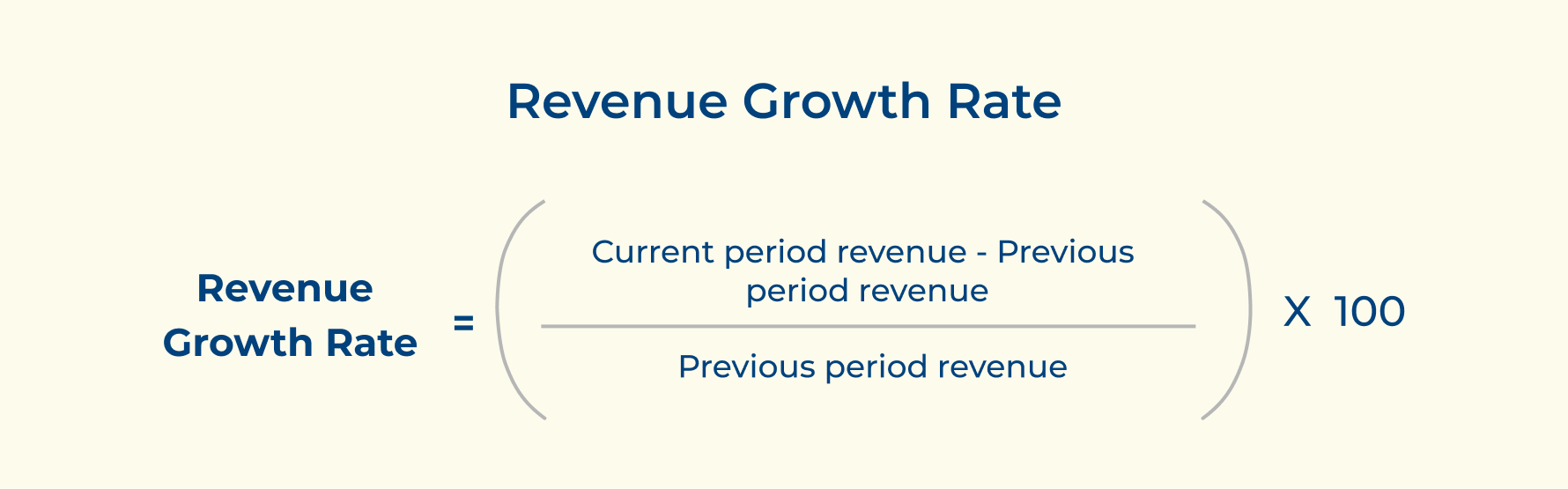
The components:
- Current period revenue: is total income earned during the timeframe you’re analyzing.
- Previous period revenue: represents what you earned during the comparable prior timeframe.
Aim for 15-25% annual growth for healthy agencies though early-stage agencies often see 50-100% while mature agencies maintain 10-15%.
How do you improve sluggish revenue growth? Focus on winning new clients while expanding work with existing ones through upsells. You might also raise rates strategically or develop new service offerings.
Client Acquisition Cost (CAC)
The CAC measures how much your agency spends on sales and marketing to bring in one new client. It shows if your acquisition strategy is sustainable.
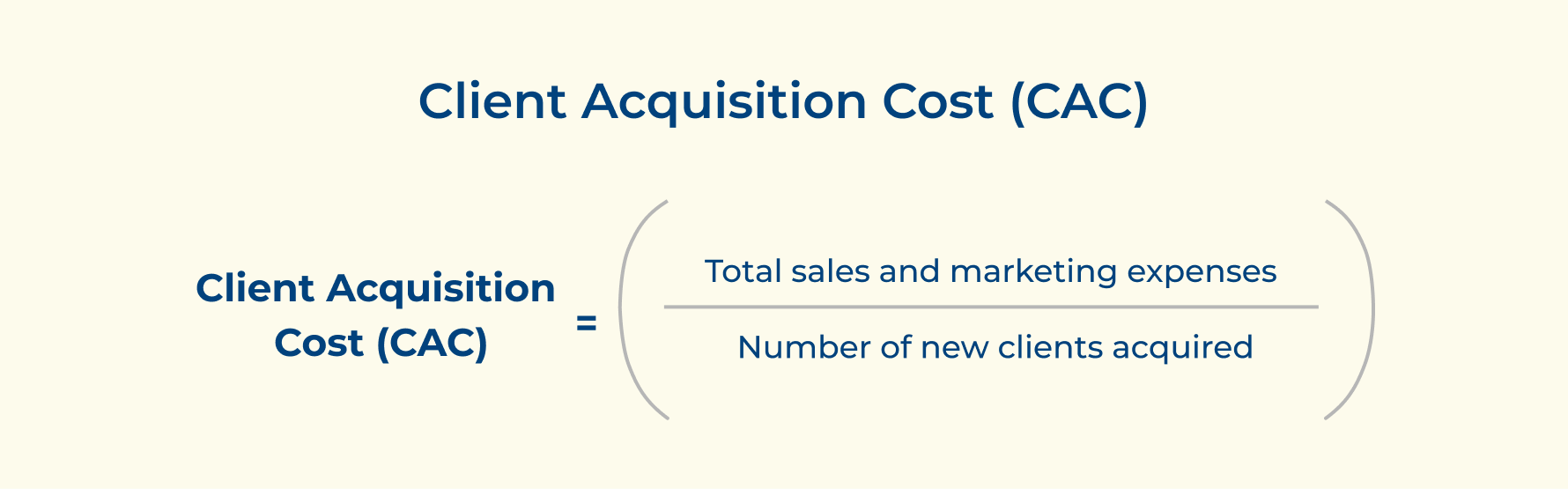
What goes into this:
- Total sales and marketing expenses includes advertising, sales team salaries, marketing tools as well as costs tied to finding clients.
- The number of new clients acquired counts only fresh clients signed during the measurement period.
Service agencies typically see CAC from $1,000 to $10,000 depending on service complexity. Other agencies serving enterprise clients might spend $20,000 to $50,000 while smaller agencies could acquire clients for $500 to $2,000.
If you spent $30,000 on sales & marketing along with signing six new clients, your CAC is: $30,000 ÷ 6 = $5,000 per client.
Project Management Metrics
Planned vs. Actual Project Delivery
This metric compares your original project timeline against when you actually delivered the final work to clients. It’s essential for marketing agencies because consistent on-time delivery builds trust while late deliveries damage client relationships and future revenue.
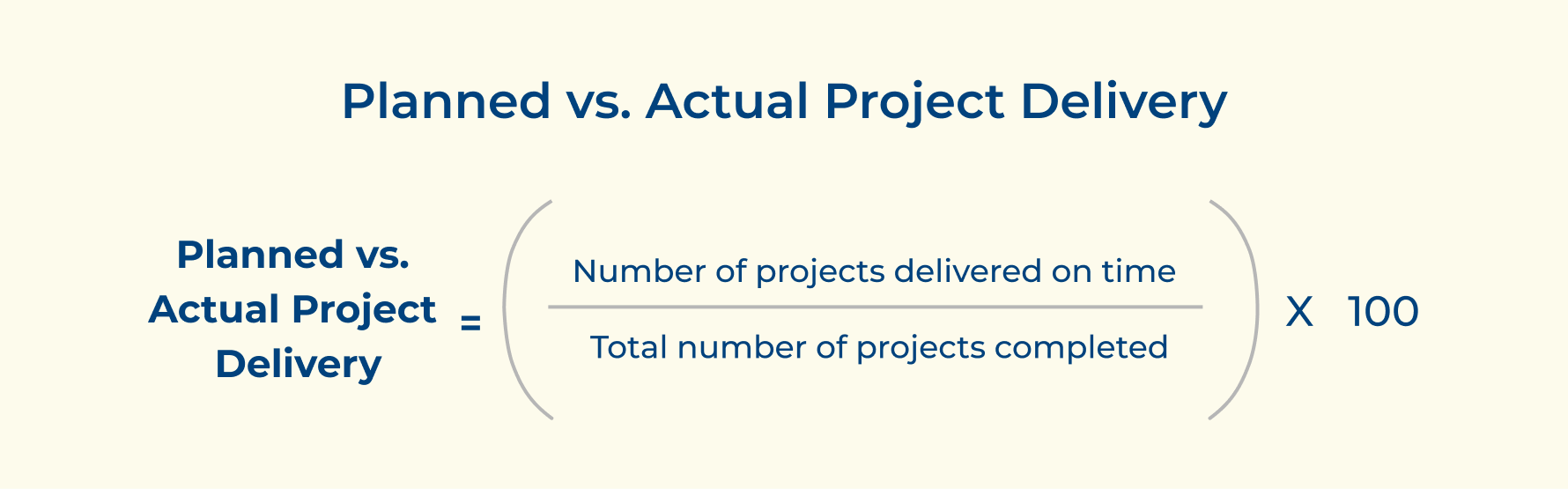
Here’s what each component represents:
- Number of projects delivered on time: Projects completed by or before the agreed deadline in your contract.
- Total number of projects completed: All projects finished during the measurement period regardless of timing.
Strong agencies maintain an on-time delivery rate of 85-90% or higher. Occasionally falling below 80% signals serious problems with your estimation or project management processes.
If your agency completed 20 projects last quarter and delivered 17 on time: (17 ÷ 20) × 100 = 85% on-time delivery rate.
How to improve:
- Build buffer time into your project schedules to account for unexpected revisions without missing deadlines.
- Conduct post-project reviews to identify delay patterns so you can address root causes systematically.
Project Budget Adherence
Project budget adherence measures how well you stick to the budget you set for each project without overspending. It’s crucial because poor budget control means you’re delivering work at a loss even when clients pay invoices on time.
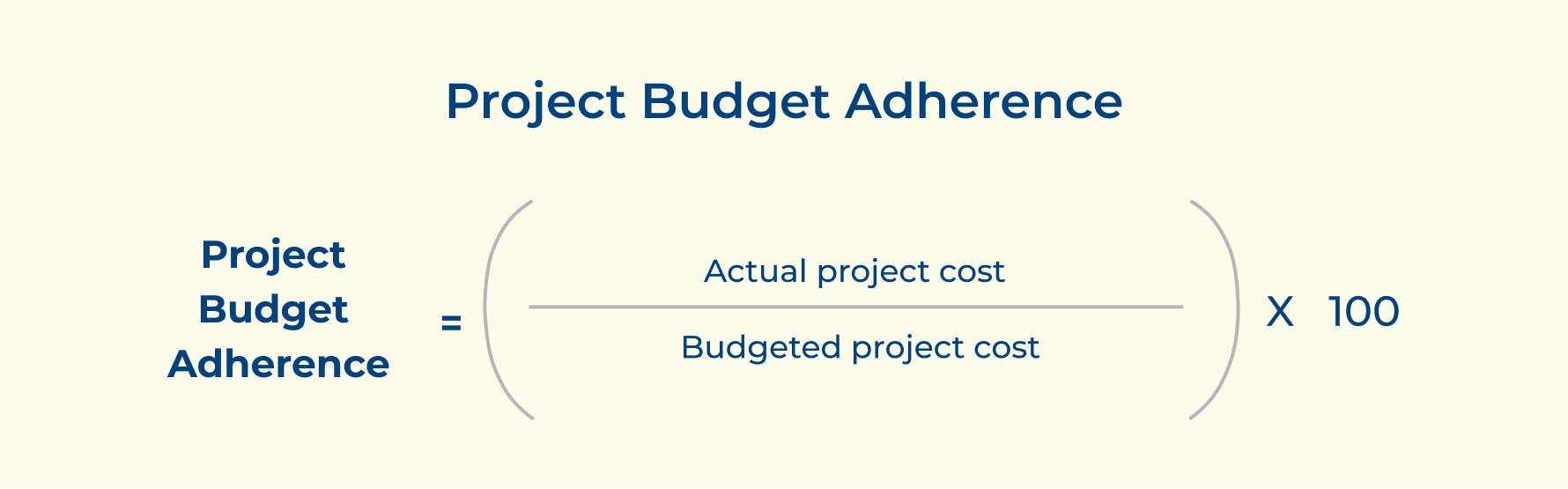
Let me break down what these components mean:
- Actual project cost: represents the real money spent delivering the project including team hours, contractor fees and expenses.
- Budgeted project cost: is the amount you originally planned to spend during the sales or scoping phase.
How do you improve budget adherence when projects keep going over? Start with better scoping upfront and pad estimates for unknowns. You also need strong change management processes that flag scope creep immediately.
Suppose you budgeted $10,000 for a project but actual costs came to $11,500.
Your calculation: ($11,500 ÷ $10,000) × 100 = 115%, meaning 15% over budget.
Here’s what good budget adherence looks like:
- Top-performing agencies maintain 90-100% by staying at or under budget on most projects.
- Average agencies typically hit 100-110% as they occasionally overspend but catch issues before they spiral.
- Struggling agencies often see 110-130% or worse because poor project management allows costs to balloon unnoticed.
Estimated vs. Actual Project Cost
The metric compares what you thought a project would cost during estimation against what you actually spent delivering it. Agencies need to measure this because accurate cost estimation directly impacts profitability and helps you price future work correctly.
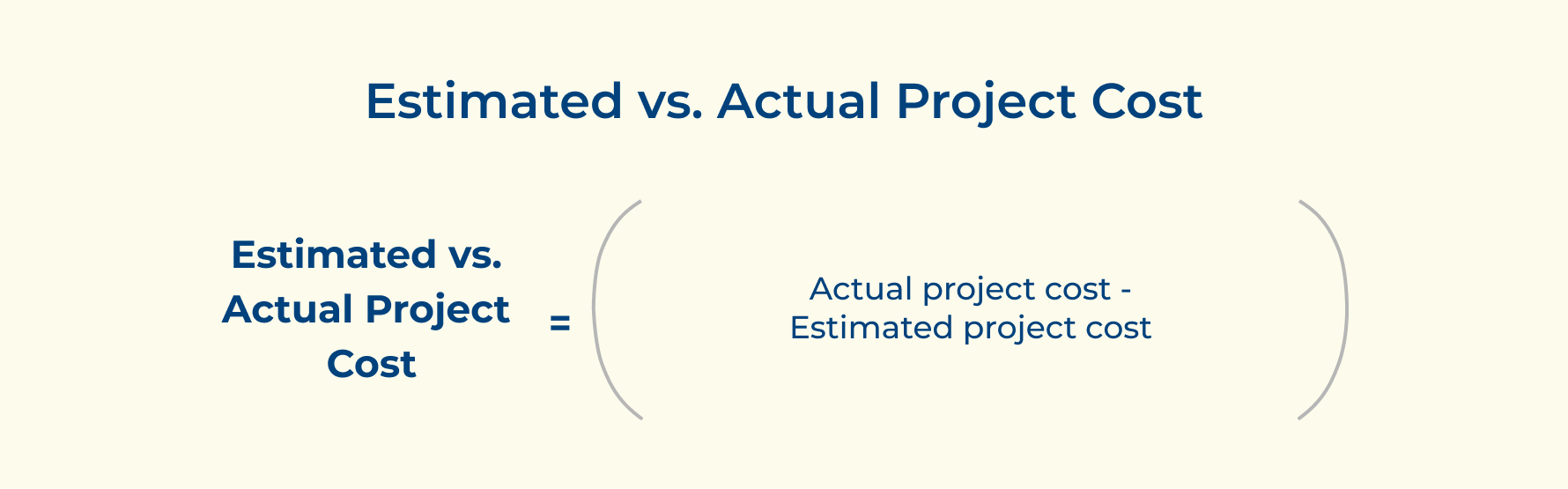
How can you reduce the gap between estimates and actual costs? Analyze past projects to understand where your estimates consistently miss. Then adjust your methodology and always include contingency for the unexpected.
Let’s say you estimated a website redesign would cost $15,000. After completion actual costs totaled $18,500.
Your variance: $18,500 – $15,000 = $3,500 over estimate.
Here are the benchmarks agencies should aim for:
- Excellent estimation accuracy means staying within 5-10% of your original cost estimate on most projects.
- Acceptable performance falls in the 10-20% range where profitability isn’t severely impacted.
- Poor estimation shows variance above 20% which indicates you’re underestimating complexity or have weak project controls.
Project Profit
Project profit shows how much money each project contributes to your bottom line after covering all associated costs. The purpose is to identify which types of projects and clients are genuinely profitable versus those consuming resources without adequate returns.

Most agencies should target a minimum 30-40% profit margin on individual projects to remain sustainable. If projects consistently fall below 20% profit you need to raise prices, reduce delivery costs, or stop taking similar work.
Here’s a straightforward example: You charged a client $25,000 for a marketing campaign. Your total costs were $16,000.
Your project profit: $25,000 – $16,000 = $9,000 profit (36% margin).
Pro tips:
- Negotiate higher rates based on the value you deliver rather than competing solely on price.
- Streamline delivery processes through templates and automation that reduce the hours needed to complete similar work.
- Carefully qualify prospects during sales to avoid clients who demand excessive revisions or have unclear requirements.
Client Success Metrics
Client Retention Rate
The retention rate tracks the percentage of clients who continue working with your agency over a specific time period. Strong retention matters because keeping existing clients costs far less than constantly hunting for new ones while loyal clients often increase their spending over time.
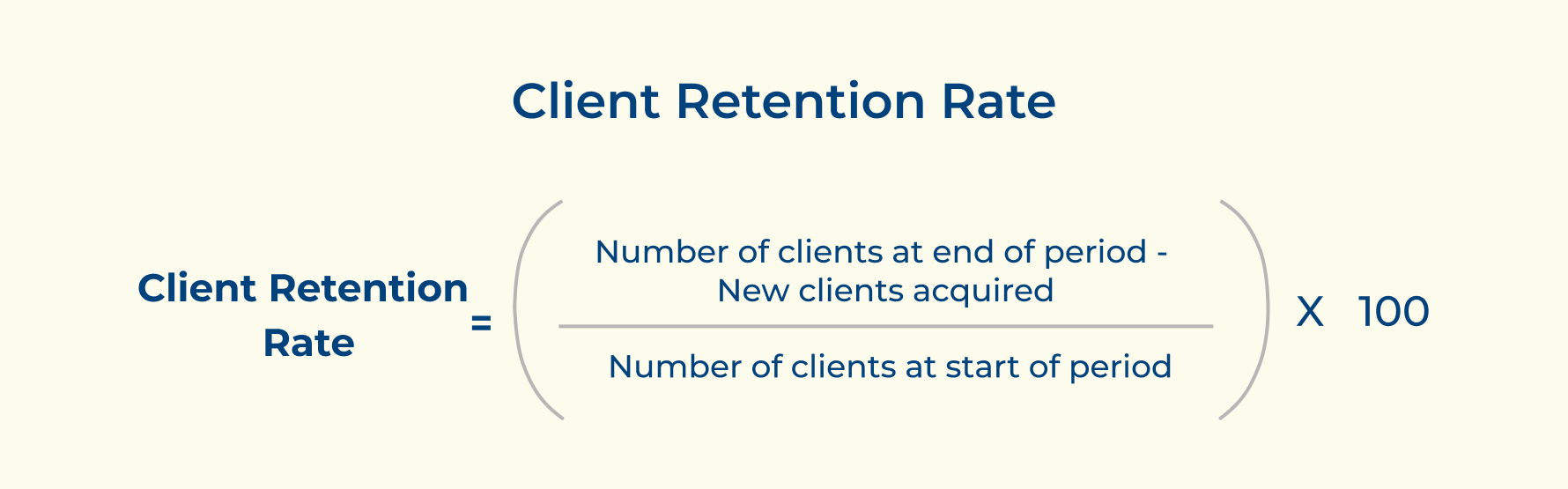
Let me walk you through what each piece represents:
- Number of clients at end of period: counts all active clients when the measurement period closes.
- New clients acquired: represents the fresh client relationships started during this timeframe.
- Number of clients at start of period: shows how many active clients you had when the period began.
How do you boost retention when clients keep leaving? Deliver exceptional results that exceed expectations while maintaining regular communication. You should also proactively identify opportunities to help clients before they go looking elsewhere.
Imagine you started the year with 40 clients and acquired 15 new ones. By year-end you had 48 total clients.
Your retention calculation: [(48 – 15) ÷ 40] × 100 = 82.5% retention rate.
Here’s what retention benchmarks typically look like:
- Excellent retention is 90% or higher which indicates you’re building strong relationships and consistently delivering value.
- Good retention falls between 80-90% where you’re holding onto most clients but have room to improve.
- Poor retention below 70% signals serious problems with service quality that need immediate attention.
Customer Satisfaction (CSAT) Score
Measure how satisfied your clients are with your agency’s work through direct feedback collection after projects. Tracking satisfaction is important because happy clients become repeat customers and refer to new business while unhappy ones damage your reputation.
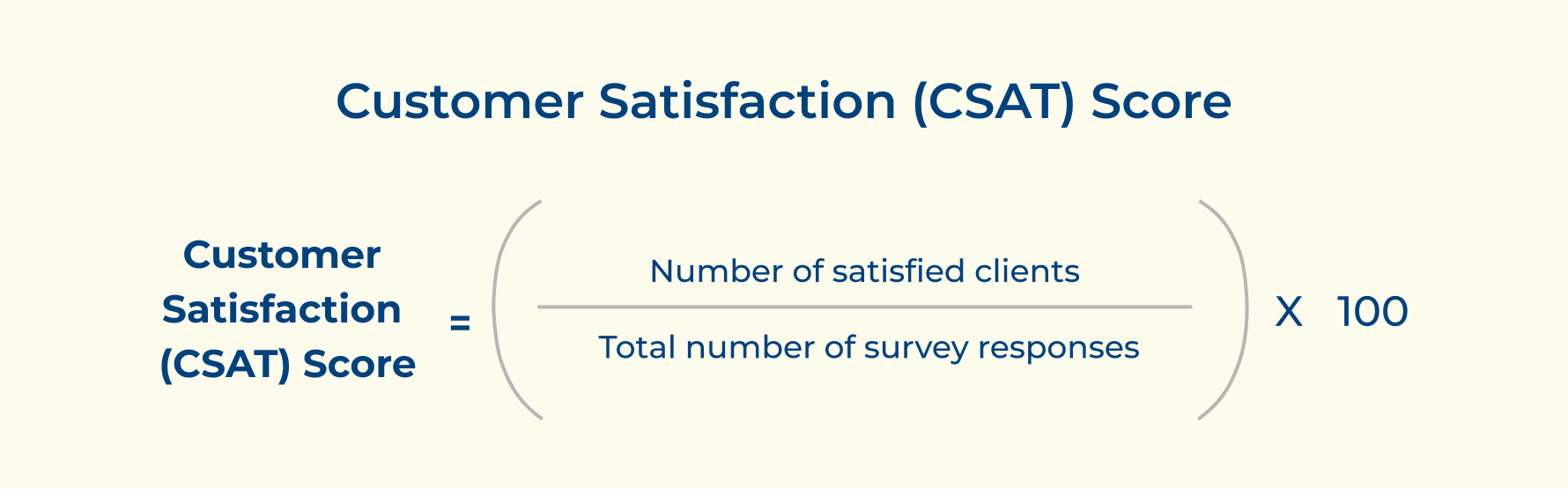
Breaking down the components:
- Number of satisfied clients: includes respondents who rate their experience positively, typically choosing 4 or 5 on a 5-point scale.
- Total number of survey responses: counts all clients who completed your satisfaction survey regardless of rating.
What’s the best way to improve low satisfaction scores? Close the feedback loop quickly when clients express concerns. You should also set clear expectations upfront about deliverables so clients aren’t disappointed by misaligned assumptions.
Let’s say you surveyed 50 clients and 42 rated their experience as satisfied or very satisfied. Your CSAT: (42 ÷ 50) × 100 = 84% satisfaction score.
Top-tier agencies achieve CSAT scores of 90% or above by consistently exceeding expectations and addressing concerns proactively. Solid performance ranges from 80-90% where most clients are happy but there’s opportunity to refine processes.Concerning performance falls below 80% which indicates you’re disappointing too many clients and need to investigate immediately.
Client Lifetime Value (CLV)
This calculates the total revenue you can expect from a single client throughout your entire business relationship. It’s critical because understanding CLV helps you make smart decisions about how much to invest in acquiring different types of clients.
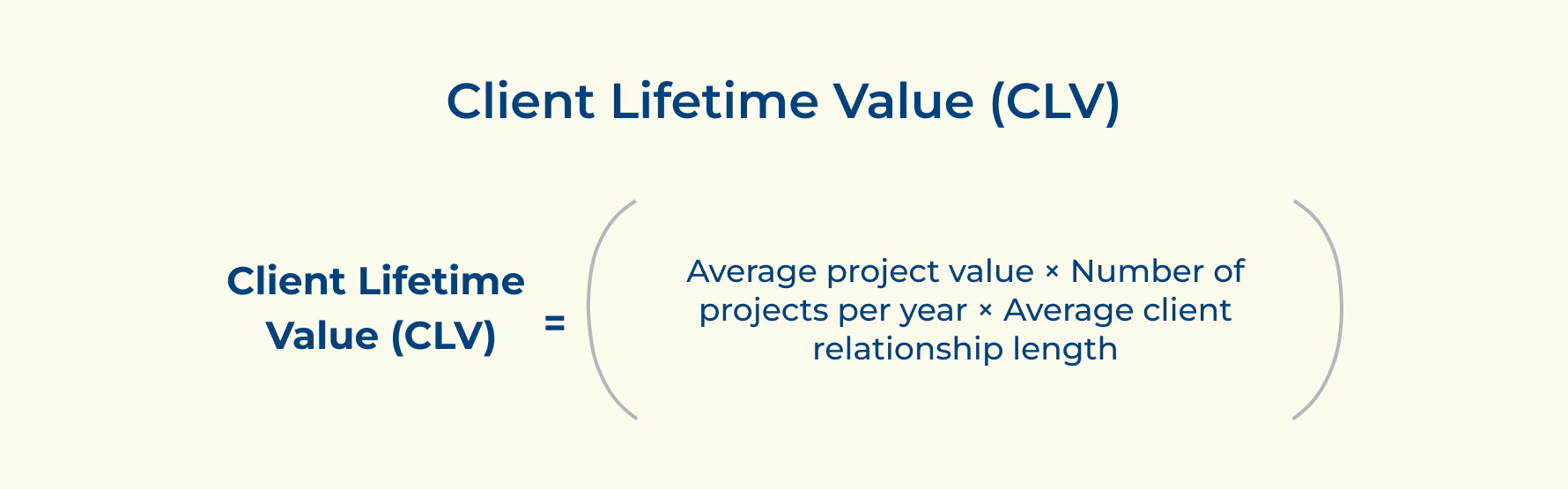
Here’s what goes into this metric:
- Average project value: represents the typical amount a client pays you for a single project.
- Number of projects per year: shows how frequently the client works with you annually.
- Average client relationship length: indicates how many years clients typically stay with your agency.
How can you increase the lifetime value of your relationships? Deliver results that make clients see you as indispensable. You can also develop additional services that solve more of their problems so they consolidate spending with you.
Consider a marketing agency where clients pay $8,000 per project and engage you for three projects annually. Average clients stay for four years. The CLV: $8,000 × 3 × 4 = $96,000 lifetime value per client.
Agency Resource Management Metrics
Billable Utilization Rate
Billable utilization measures what percentage of your team’s total available time gets spent on client work that you can actually invoice. Client-facing agencies need this because it directly connects to profitability since you’re paying salaries regardless of whether people work on billable projects or sit idle.
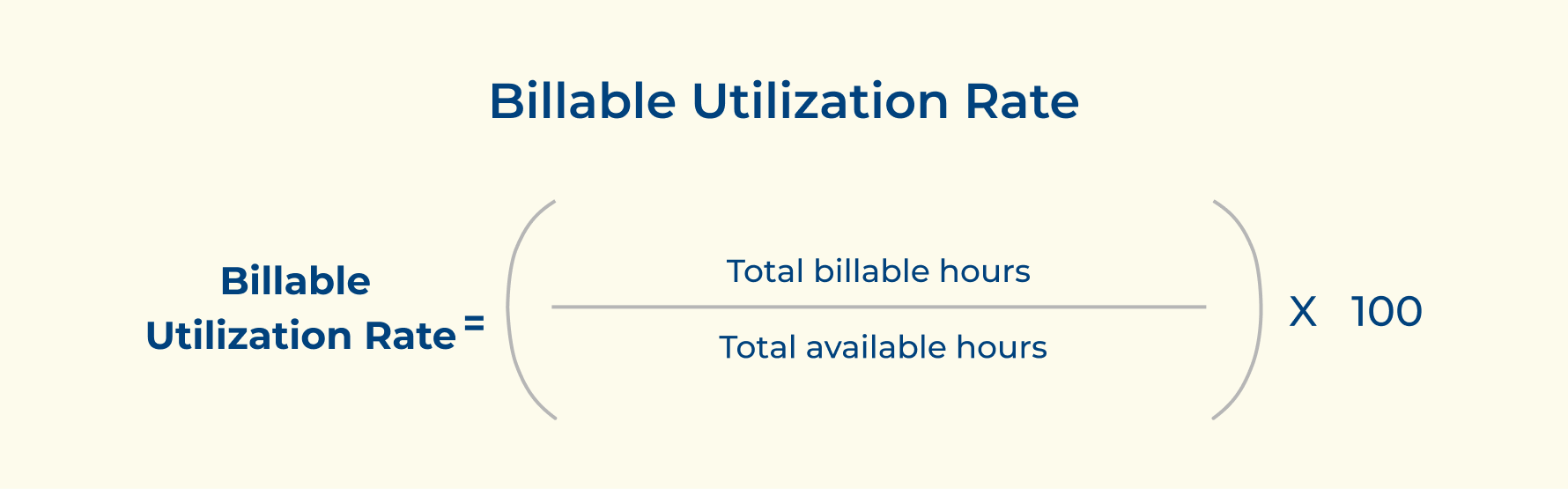
Here’s what each component means for your tracking:
- Total billable hours: represents actual time your team logs on client projects that generate invoiced revenue.
- Total available hours: is maximum working time available after removing vacation days and holidays.
You measure this by tracking time entries in your project management system and comparing against standard working hours. To improve the rate minimize gaps between projects through better pipeline management and reduce time spent on internal tasks.
Let’s say your five-person team has 800 total available hours monthly and they logged 560 billable hours on client work.
Your calculation: (560 ÷ 800) × 100 = 70% billable utilization rate.
Capacity Planning Accuracy
It shows how well you predict future resource needs compared to what actually happens when projects unfold. The purpose for agencies is avoiding situations where you’re either overstaffed with people sitting idle or understaffed and burning out your team.
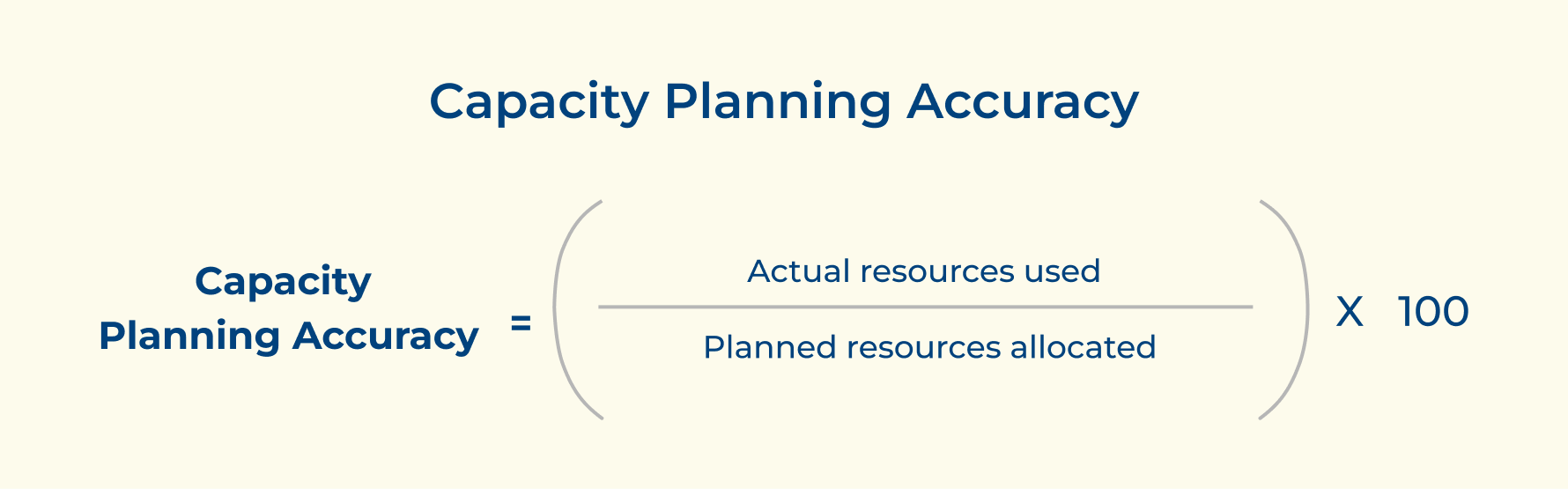
Let me break down what goes into this measurement:
- Actual resources used: represents the real number of people or hours required to complete the work.
- Planned resources allocated: is your forecast of how many people or hours you thought you’d need.
You calculate this by comparing your resource forecasts against actual utilization after projects complete. Review monthly or quarterly to spot patterns in where your predictions miss and adjust planning assumptions accordingly.
Best practices:
- Maintain a detailed project pipeline with realistic probability scores rather than assuming every opportunity will close.
- Build in buffer capacity of 10-15% to account for unexpected client requests or projects running longer than estimated.
Resource Allocation Efficiency
This efficiency metric evaluates how well you match the right people with the right projects based on their skills. Agencies must track this because poor allocation means junior staff working on complex tasks or senior experts wasting time on simple work.
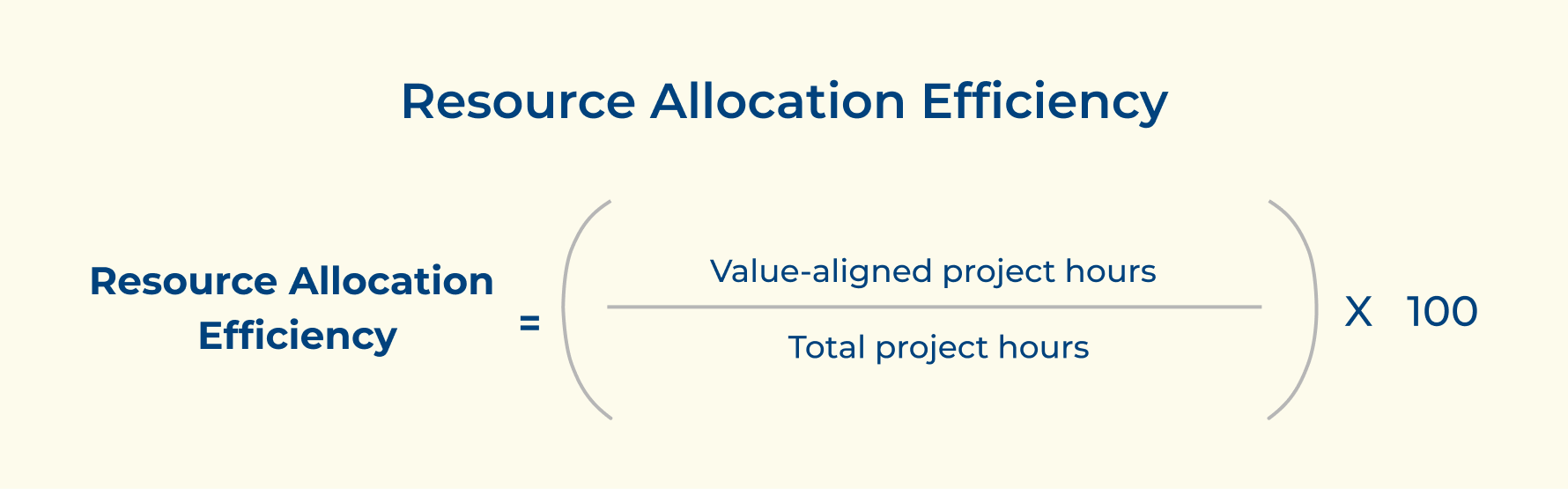
You measure through regular project reviews assessing if the right people worked on each task. Track instances where skill mismatches caused delays or quality issues as indicators your allocation process needs improvement.
How to improve your Resource allocation efficiency? To improve efficiency you need visibility into everyone’s current workload through resource management software. You should also create clear criteria for which skill levels handle different project types so decisions become systematic.
Imagine your team logged 400 total project hours last month. After review you determine 340 hours involved appropriate skill-level matches.
Your calculation: (340 ÷ 400) × 100 = 85% resource allocation efficiency.
Elevate your Agency’s Performance with Clear Insights
Tracking the right agency metrics changes the way a business is run by swapping guesswork for clear, data-backed decisions. Instead of relying on assumptions, it becomes easier to see what’s actually working, what’s hurting agency profitability and where action is needed before small inefficiencies turn into serious threats to Gross Revenue.
The best approach is to start small. Pick a few core metrics from each category rather than trying to measure everything at once. Prioritise numbers that align closely with current goals, especially those that influence Return on Investment. As tracking becomes part of the regular workflow, the measurement system can grow naturally, giving deeper insights without overwhelming the team
Limit time — not creativity
Everything you need for customer support, marketing & sales.

Neeti Singh is a passionate content writer at Kooper, where he transforms complex concepts into clear, engaging and actionable content. With a keen eye for detail and a love for technology, Tushar Joshi crafts blog posts, guides and articles that help readers navigate the fast-evolving world of software solutions.