How Project Management Benefits Strengthen Project Execution
Key Highlights:
- Project management benefits include clear ownership, structured workflows and predictable project outcomes
- Strong planning and accountability showcase the benefits of project management for growing businesses
- Improves client trust through clear scope, regular updates and proactive issue resolution
Projects can spiral out of control fast when teams don’t have clear direction or accountability. Deadlines slip, budgets blow up and no one is sure who’s responsible for what or how everything connects. That confusion creates stress and leaves clients disappointed because they expected stronger results.
Your competitors are moving faster because they’ve learned how to execute in a structured, organized way. Good project management brings the structure and clarity that every team needs. It boosts project performance by aligning everyone to the same project objectives and eliminating guesswork.
This guide explores practical project management benefits for businesses of all sizes. Learn how the right approach turns confusion into confidence and helps teams perform at their best.
What is Project Management?
Project management is the practice of organizing and guiding work from start to finish to achieve specific goals. It involves planning what needs to be done and coordinating people as well as resources to deliver results on time.
Project management works by breaking large goals into smaller manageable tasks that teams can execute. A project manager identifies what needs to happen and assigns responsibilities to the right people. They track progress throughout and adjust plans when obstacles appear to keep everything moving toward the finish line.
Key objectives:
- Deliver the project on time: Meeting deadlines ensures that the work provides value when it’s actually needed.
- Stay within the approved budget: Controlling costs prevents waste and ensures resources are used efficiently.
- Meet quality standards: The final result must actually solve the problem it was meant to address.
- Manage risks effectively: Identifying potential problems early allows teams to prevent or minimize disruptions.
Top 10 Benefits of Project Management for Businesses
Here, let’s delve into the ten compelling reasons why investing in project management is not just an option, but a necessity for sustainable business success.
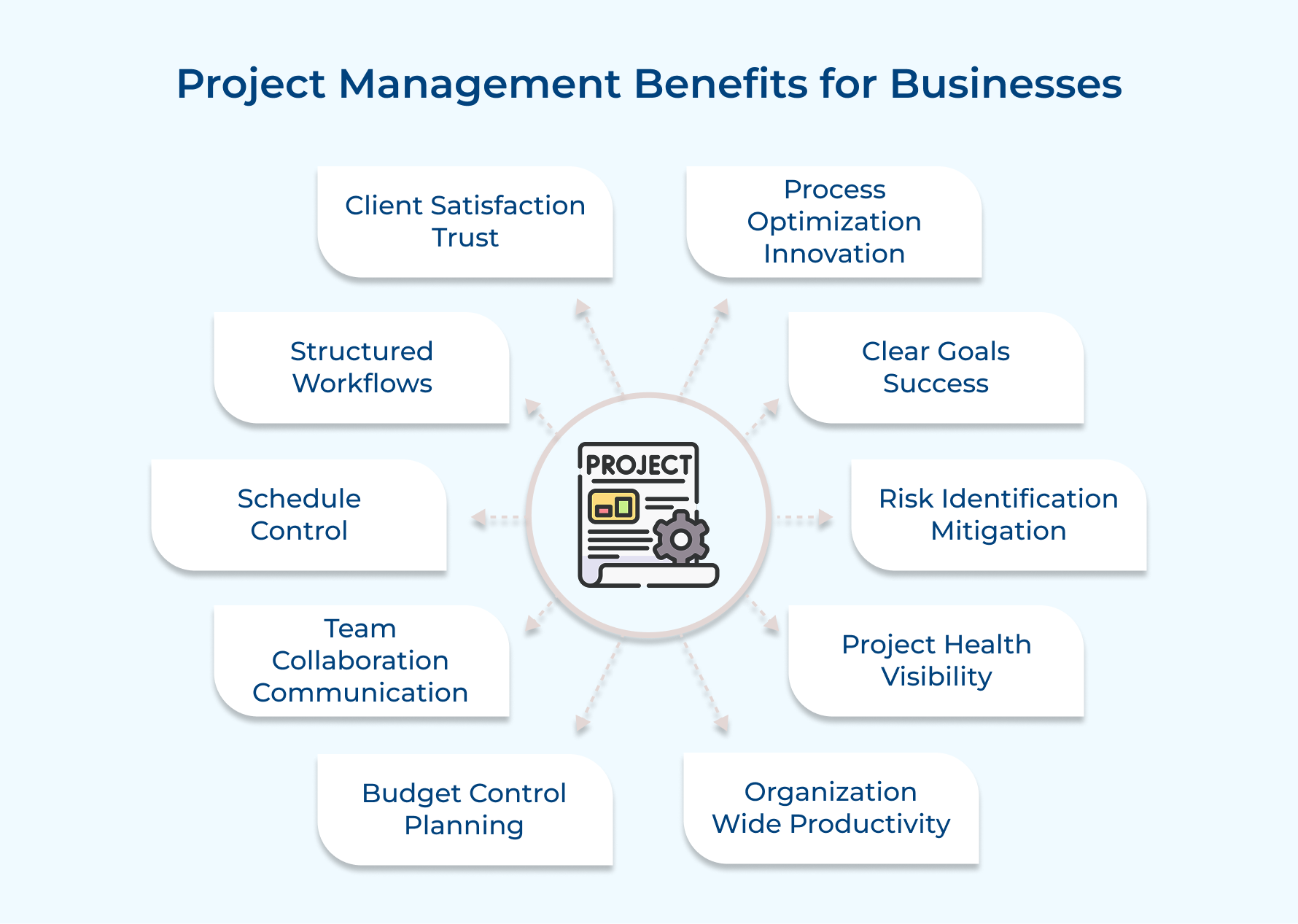
1. Improved Client Satisfaction and Trust
Project management benefits help teams deliver what clients actually want, not what they assume clients want. It creates a setup where expectations are clear and communication stays consistent from start to finish. That’s why strong client relationships often begin with solid project foundations.
- Clear scope definition: The team documents exactly what the client expects, eliminating confusion about future deliverables.
- Regular progress updates: Clients get timely status reports so they always know how project activities are moving forward.
- Proactive problem-solving: Issues get flagged and addressed early—before they grow into client-facing setbacks.
- Documented feedback loops: Client input is captured at planned checkpoints instead of getting buried in long email trails.
Imagine a marketing agency handling a brand redesign. The project manager schedules weekly check-ins and shares mockups through each phase. The client feels informed and confident because they can see progress as well as make adjustments early.
2. Organized and Manageable Work Structure
Project management takes the chaos out of teamwork and replaces it with clarity. When teams don’t know what comes next or who owns which task, everything becomes overwhelming. A structured approach gives everyone confidence and direction.
Teams break work into actionable pieces, assign them to the right people and set clear deadlines. This helps everyone understand how their contributions connect to the bigger picture.
Pro tips:
- Break work into phases with clear completion criteria to keep momentum steady.
- Use visual tools like Gantt charts to make the workflow visible and easy to follow.
3. Enhanced Project Schedule Management
Meeting deadlines requires more than good intentions. Effective schedule planning considers real-world constraints—team capacity, task sequencing and potential delays. This approach protects teams from the last-minute chaos that often derails project success.
How schedule management creates real business value:
- Resource-based planning: Timelines reflect actual availability, preventing burnout and unrealistic expectations.
- Dependency mapping: Teams know which tasks must finish first, so no one sits idle waiting for missing inputs.
- Buffer time allocation: Built-in contingency prevents minor disruptions from pushing the whole timeline off track.
One common pitfall is building schedules that look perfect on paper but ignore reality. Teams stumble when managers overload them or forget to factor in holidays. Fix this by involving the team in timeline creation and reviewing resource management weekly.
4. Strengthened Team Collaboration and Communication
Project management benefits the team in a structured way to work together instead of leaving collaboration up to luck. Clear communication channels help the right information reach the right people at the right time.
Key questions to evaluate your current approach:
- Do team members know exactly who to contact for decisions?
- Are there regular forums where concerns can be raised early?
- Is project documentation easily accessible to everyone?
- Do people know what response times to expect?
These questions reveal if your communication structure genuinely supports progress. When teams understand each other’s constraints—marketing, sales, product—they avoid the costly issues that happen when departments operate in isolation.
5. Better Budget Control and Financial Planning
Project management gives you visibility into spending before it becomes a problem. Instead of discovering overruns too late, you track expenses as they happen and course-correct in real time.
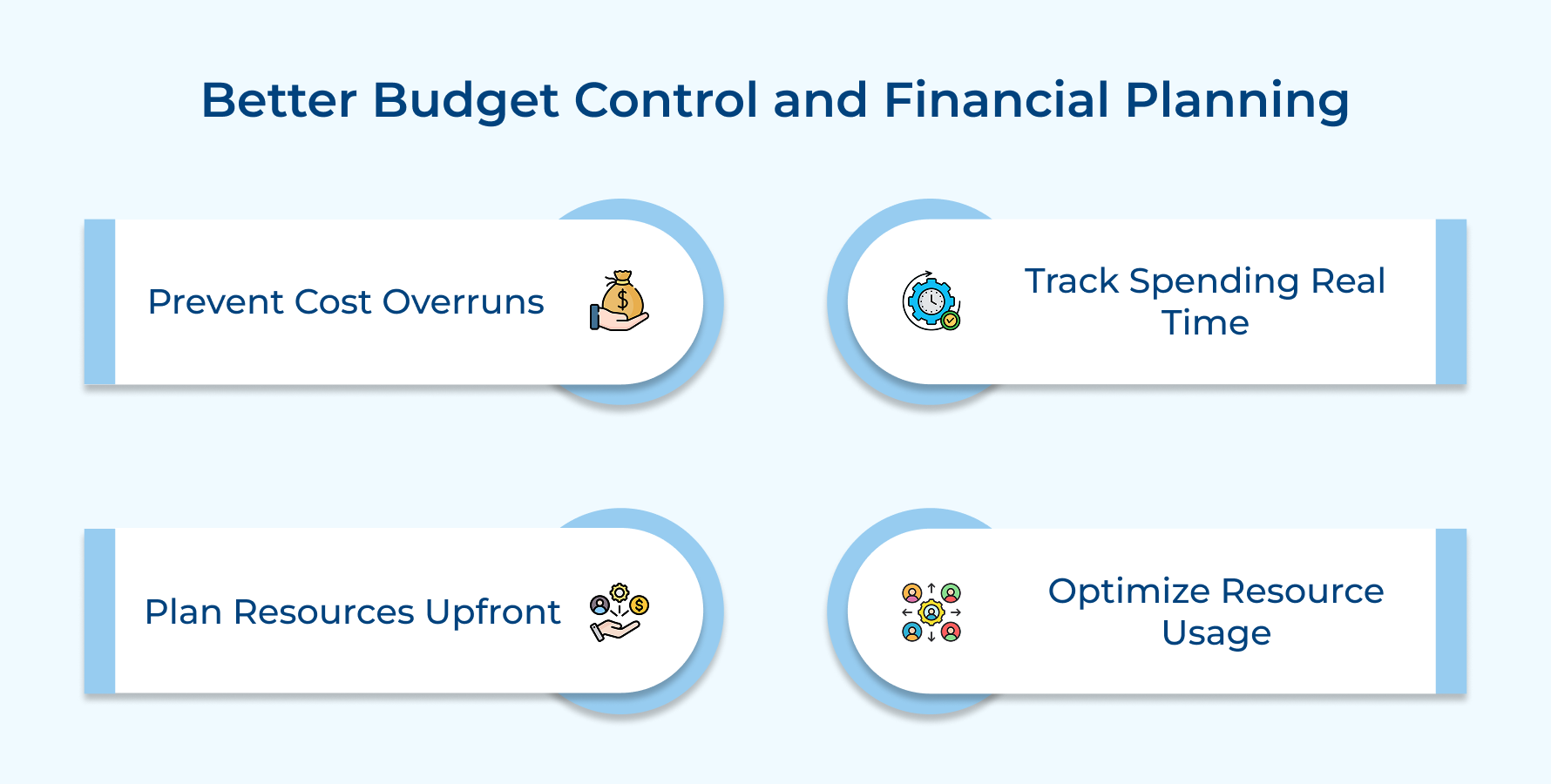
Prevents Overruns Through Smart Planning
Thinking through resource needs upfront prevents unnecessary costs, idle contractors, or urgent fees that cut into profit.
Tracks Spending in Real Time
Modern tools help teams compare actual spending against the plan immediately, so small issues never snowball into major setbacks.
Identifies Ways to Optimize Resources
Regular budget check-ins reveal opportunities to distribute workloads better or share assets across projects—freeing up funds for high-value work.
6. Process Optimization and Innovation Support
Project management builds a foundation for ongoing improvement. By capturing what works and what doesn’t, future projects become smoother, more efficient as well as more effective.
Businesses optimize processes by using approaches like:
- Post-project reviews: Teams document wins and improvement areas clearly.
- Standardized templates: Successful methods become repeatable guides instead of relying on guesswork.
- Innovation time allocation: Project plans include room to experiment safely.
- Cross-functional learning sessions: Teams share wins so great ideas spread across the organization.
These practices gradually build a library of proven approaches that strengthen project outcomes across the company.
7. Clearly Defined Goals and Success Criteria
Confusion disappears when everyone understands what success looks like. Clear goals give teams direction and a way to measure progress without relying on guesswork or subjective opinions.
When goals are specific and measurable, teams stay motivated because they can see progress. This clarity also prevents scope creep, new requests get evaluated against the original project scope.
For example, a consulting firm aiming to improve response times might set a specific goal of reducing average wait time from 24 hours to 6 hours. That measurable target shapes decisions about training, technology and processes.
8. Effective Risk Identification and Mitigation
Project management encourages teams to think ahead about what could go wrong. By identifying risks early, teams create backup plans so they’re not forced into crisis mode later.
Best practices:
- Build a risk register at project kickoff.
- Review risks regularly because priorities shift as work progresses.
This proactive mindset helps teams avoid costly surprises and stay resilient throughout the project lifecycle.
9. Complete Visibility into Project Health
Project management replaces guesswork with real data. Leaders get a clear, accurate view of how projects are performing, enabling them to make smarter decisions quickly.
Important indicators include:
- Schedule variance: Compares planned completion dates against actual progress to show in case the project is ahead or behind timeline expectations.
- Budget variance: Tracks spending against allocated funds to reveal if costs are under control or heading toward overruns.
- Task completion rate: Measures how many assigned tasks get finished on time versus delayed to identify workflow bottlenecks.
- Resource utilization: Shows if team members are overloaded or underutilized so managers can rebalance workloads effectively.
- Quality indicators: Tracks defects or revision requests to assess in case deliverables meet standards before they reach clients.
This visibility supports performance analysis and helps teams act early instead of reacting too late.
10. Increased Productivity Across the Organization
Project management removes the friction that slows teams down. Once priorities are clear, people focus their energy on meaningful work rather than tasks that don’t support project objectives.
Eliminating wasted effort:
Teams stop guessing what deserves attention and start working with confidence.
Working smarter, not harder:
Project management highlights inefficient workflows so teams can streamline their processes.
Creating space for strategic thinking:
When day-to-day chaos is under control, leaders gain the bandwidth to focus on growth and innovation instead of constant firefighting.
What Are the Most Beneficial Project Management Tools?
Choosing the right project management software can transform how your team works together and delivers results. Here are four powerful tools that businesses rely on to keep their projects organized and moving forward.
Kooper
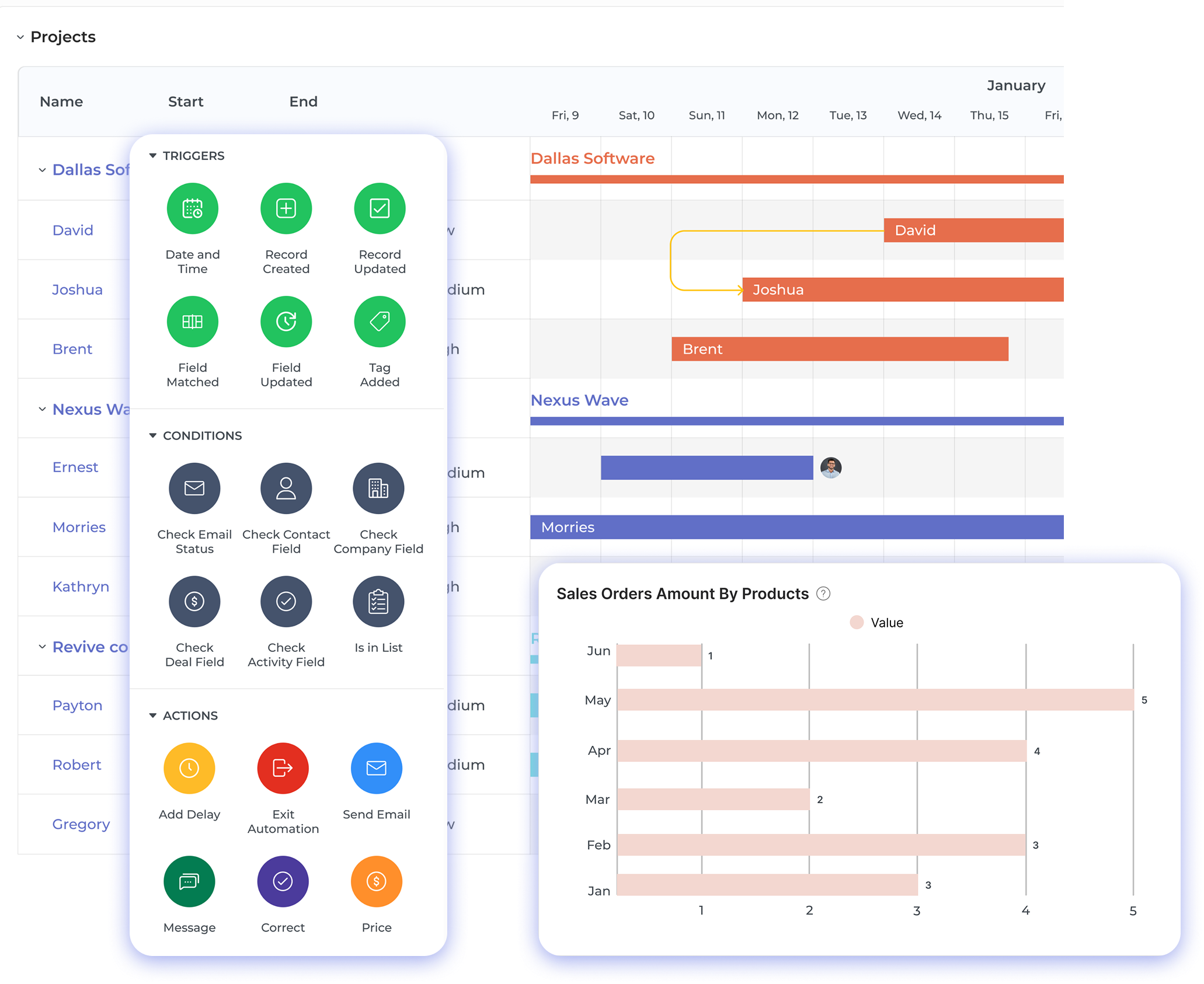
Kooper is a Professional Services Automation (PSA) platform built specifically for agencies and service businesses that need to manage client work profitably. The software combines project management with financial tracking and resource planning so teams can deliver great work while maintaining healthy margins. It addresses the unique challenge of balancing billable hours against project budgets in real time.
Key features:
- Time tracking and budgeting: Teams log hours directly against projects and the system automatically calculates profitability by comparing actual time spent to budgeted estimates.
- Resource capacity planning: Managers can see who’s available and who’s overbooked across the entire organization to assign work strategically and prevent burnout.
- Financial reporting and forecasting: The platform generates profit and loss reports for individual projects as well as predicts future revenue based on pipeline/booked work.
- Client and project profitability insights: Businesses can identify which clients and project types generate the best margins to inform strategic decisions about where to focus growth efforts.
- Sales pipeline management: Sales teams track opportunities alongside active projects so the entire client journey from pitch to delivery lives in one system.
Monday.com
Monday.com offers a visual workspace where teams can see all their projects and tasks laid out in customizable boards. The platform adapts to different work styles in case you prefer timelines or Kanban views. Its strength lies in automation features that handle repetitive tasks and colorful interfaces that make project tracking feel less like a chore.
Asana
Asana excels at helping teams break down complex projects into manageable tasks with clear ownership and deadlines. The software provides multiple viewing options from lists to calendars so different team members can work in ways that make sense for them. Its intuitive design means new users can start contributing quickly without extensive training sessions.
Trello
Trello uses a simple card-based system that mirrors how people naturally think about organizing work into columns and categories. Teams can drag and drop tasks between stages like “To Do” as well as “Complete” which makes progress visible at a glance. The tool works particularly well for smaller teams or less complex projects that need straightforward organization without overwhelming features.
ClickUp
ClickUp positions itself as an all-in-one solution that combines project management with document collaboration and goal tracking in a single platform. The software offers deep customization options so teams can configure it to match their specific workflows rather than adapting to rigid structures.
Elevate Your Workflow with the Strategic Benefits of Project Management
Project management benefits transform how businesses operate by bringing structure to chaos and clarity to confusion. The benefits extend far beyond simply finishing tasks on time because effective project management touches every aspect of how teams collaborate and deliver value to clients.
Organizations that embrace project management see improvements in client satisfaction and team productivity while gaining better control over budgets as well as timelines. The investment in proper project management practices pays dividends through reduced stress and increased confidence that projects will actually achieve their intended goals.
Limit time — not creativity
Everything you need for customer support, marketing & sales.

Neeti Singh is a passionate content writer at Kooper, where he transforms complex concepts into clear, engaging and actionable content. With a keen eye for detail and a love for technology, Tushar Joshi crafts blog posts, guides and articles that help readers navigate the fast-evolving world of software solutions.