9 Best Resource Management KPIs & Metrics to Track in 2026
- What are Resource Management KPIs?
- Importance of Tracking Resource Management Metrics
- 8 Important Resource Management KPIs Every Team Should Track
- How to Effectively Track your Resource Management KPIs?
- Leverage Resource Management KPIs to Optimize Your Potential & Maximize Success
- FAQs about Resource Management KPIs

Key Highlights:
- Resource management KPIs measure how effectively organizations use people and assets to boost profitability as well as client satisfaction.
- Tracking resource management metrics improves profitability, enhances forecasting and ensures the right people are on the right projects.
- Billable utilization, profitability, capacity variance, and skill gap analysis are essential KPIs that help support sustainable business growth.
A lot of service-based businesses struggle to stay profitable, even when they’ve got talented teams and a steady flow of client work. Then, what’s the real issue? It’s often a lack of visibility into how people’s time and skills are actually being used.
If you’re not tracking the right metrics, it’s like making big staffing decisions with a blindfold on.
How can you change that? By focusing on nine essential resource management KPIs, you’ll get the clarity you need to manage time, talent, and workloads smarter. These metrics help you spot what’s working, fix what’s not, and build a profitable, sustainable business – even when the market gets tough.
What are Resource Management KPIs?
Resource management KPIs are quantifiable metrics that measure how effectively an organization utilizes its people and assets to deliver client project work profitably. These indicators help agencies track productivity, identify operational inefficiencies, and ensure resources are optimally deployed to meet both client needs as well as business objectives while maintaining sustainable workloads.
Resource management KPIs function by translating complex business activities into measurable data points that leadership can regularly monitor. Organizations start by setting baselines and targets for each metric. They then use project management tools and timesheet systems to gather real-time data. This helps them see how they’re performing against their goals. Based on this insight, they can make smart adjustments to improve.
Key objectives:
- Maximize billable utilization by ensuring team members spend optimal time on revenue-generating work while maintaining healthy work-life balance.
- Improve project profitability through accurate budget forecasting and preventing scope creep that erodes margins.
- Balance workload distribution across team members to prevent burnout while maintaining consistent service quality.
- Optimize resource allocation by matching the right skills to appropriate projects at the right time.
- Increase visibility into capacity planning to better anticipate hiring needs and avoid turning away valuable work.
Importance of Tracking Resource Management Metrics
Monitoring your resource metrics gives you a powerful lens into how your business actually operates. Let’s explore why tracking these numbers matters for service-based businesses.
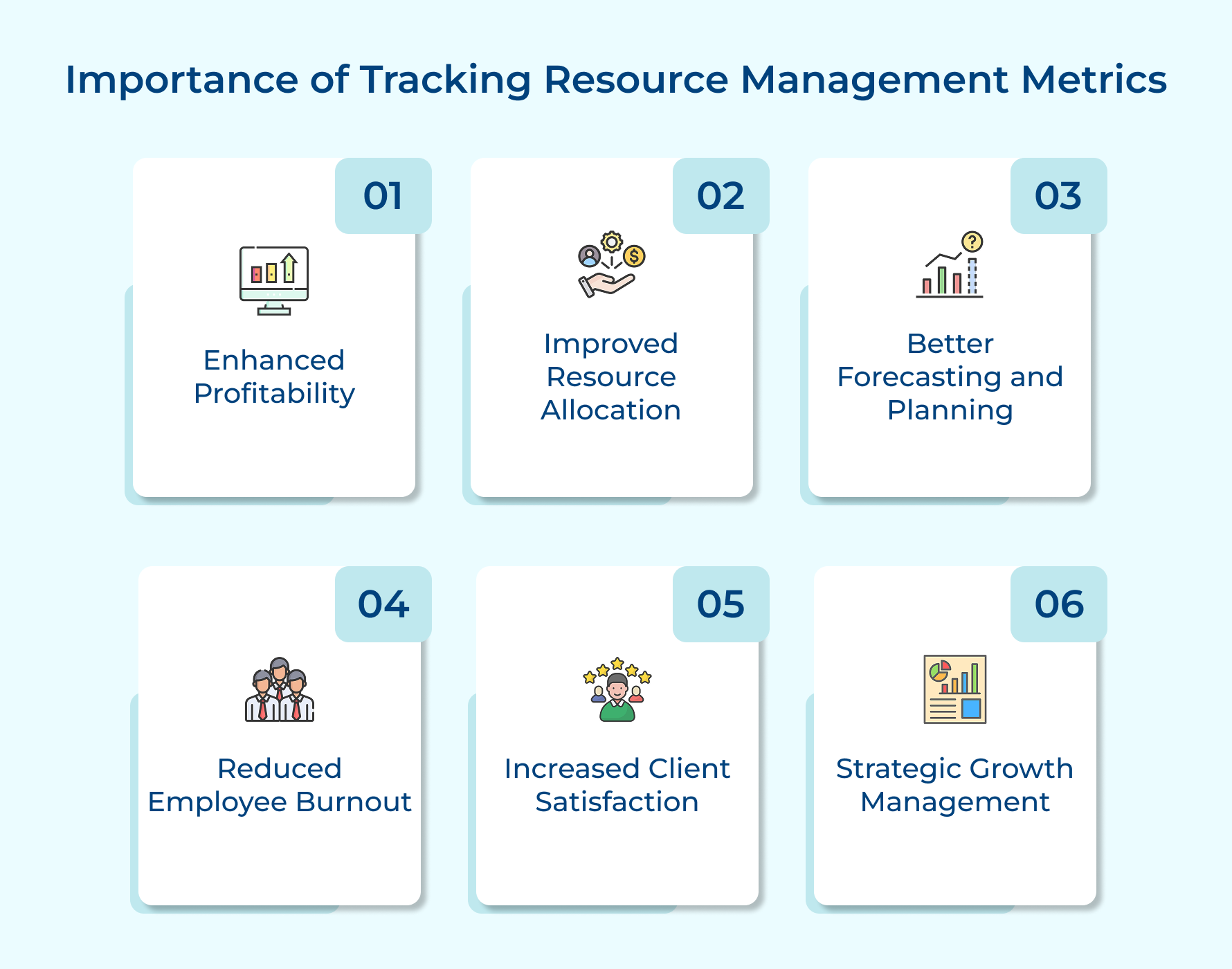
1. Enhanced Profitability
Tracking resource utilization rates and billable hours shows you which projects truly pay off. With this clarity, you can shift focus to high-margin work, adjust pricing based on actual delivery costs, and quickly course-correct underperforming engagements.
2. Improved Resource Allocation
With real data, you can match team members to projects based on skill and availability. This ensures your human resources are well-balanced, reduces downtime, as well as prevents overloading your top performers.
3. Better Forecasting and Planning
Historical data reveals patterns that help predict future capacity needs. This allows you to plan hiring timelines, manage workloads more efficiently, and confidently commit to delivery schedules that align with your strategic goals.
4. Reduced Employee Burnout
By monitoring workloads, you can catch when someone is consistently overloaded. Early intervention helps rebalance assignments, protect team wellbeing, and reduce employee turnover rates. Thus, keeping your top talent engaged and productive.
5. Increased Client Satisfaction
When the right people are on the right projects, the quality of work improves. Clients get better results, deadlines are met and service disruptions are minimized, even during busy periods.
6. Strategic Growth Management
Resource metrics help you decide when to hire and which roles to prioritize. Instead of overstaffing too early, you grow in sync with demand and identify service areas with strong profit potential. This keeps resource costs in check while supporting long-term strategic goals.
8 Important Resource Management KPIs Every Team Should Track
Here’s a comprehensive guide to the nine best resource management KPIs you should be tracking to ensure your organization remains agile in this competitive market.

1. Billable Utilization Rate
Billable Utilization Rate shows how much of your team’s time is spent on work that actually brings in revenue. It’s a key metric for service businesses because it tells you if your people are focused on paid client projects or stuck in admin tasks and downtime.
To calculate it:

(Remember to exclude holidays and PTO.)
Most professional firms aim for 65–80%. Creative agencies often hit around 65–70%, while consulting firms shoot for 75–80%. The sweet spot depends on your business goals and how much time you want to leave for learning as well as innovation.
To boost your rate, try cutting back on internal meetings and tightening scopes of work to avoid unpaid extras.
2. Project Profitability Index
Project Profitability Index (PPI) tells you how much profit you’re making on a project compared to what you’re spending. It’s a smart way to see which clients and project types give you the best return on your time as well as resources.
To calculate it:
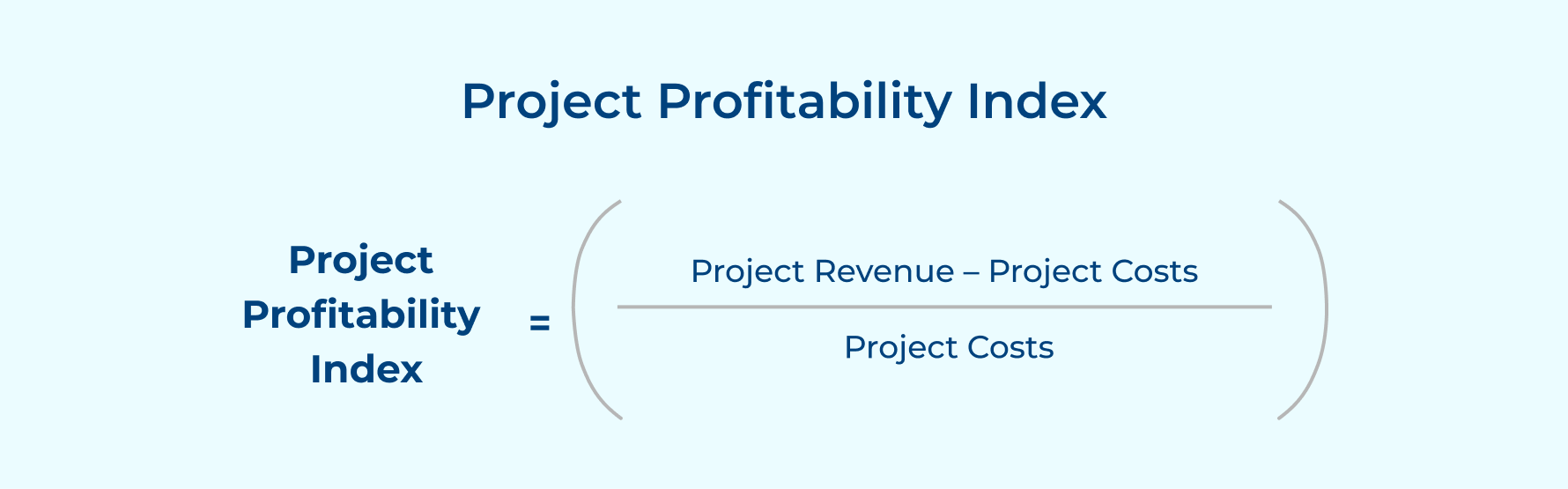
This helps you compare profitability across projects of all sizes. A higher PPI means better returns. Top firms often aim for a PPI of 0.5 or more (a 50% profit margin) on core services.
If a project has a negative PPI, it’s costing you more than it’s bringing in and needs immediate attention. Use this insight to refine pricing, delivery models, and what work you take on.
3. Resource Capacity Variance
Resource Capacity Variance shows how closely your actual resource usage matches what you originally planned. It’s a key metric for spotting over-allocation, under-utilization, and forecasting issues across your team.
To calculate it:

Ideally, your variance should stay within ±10%. Too much deviation can signal problems in how you’re scoping projects or assigning work.
Ask yourself:
- Are some team members always overloaded while others aren’t fully used?
- Do certain clients or project types regularly need more time than expected?
- Are seasonal patterns throwing off your plans?
To improve, refine your estimates during project planning, review resource forecasts weekly, and build in feedback loops so you can spot trends while adjusting quickly.
4. Revenue Per Employee
Revenue Per Employee shows how much revenue each full-time team member generates on average. It’s a simple but powerful way to measure operational efficiency and how well you’re turning human resources into business results.
To calculate it:
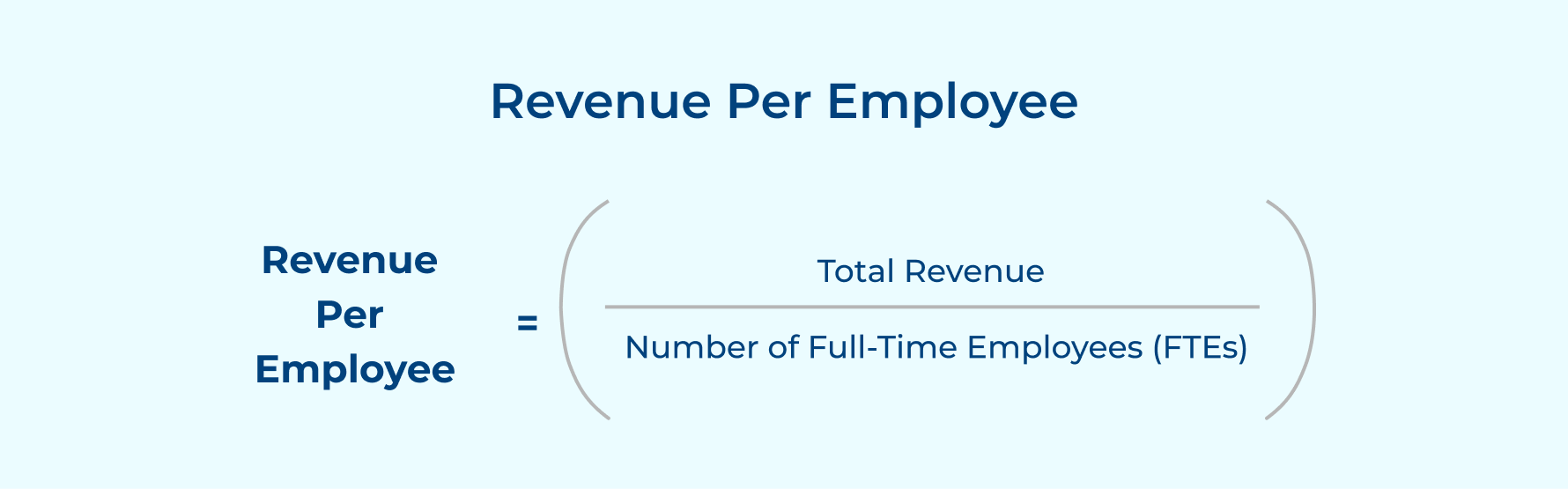
Most strong service firms aim for $150K–$250K per employee, while top-tier consultancies often exceed $500K.
Want to improve this metric?
- Focus on high-value services that bring in more revenue without needing more time or resources.
- Structure your team wisely. Let junior staff handle execution while senior talent drives strategy and client value.
This KPI helps you align your human capital with your strategic goals and spot opportunities for growth.
5. Project Budget Variance
Project Budget Variance shows how close your actual project costs are to your original estimates. It’s key to maintaining profitability and spotting issues in how you scope or manage work.
To calculate:
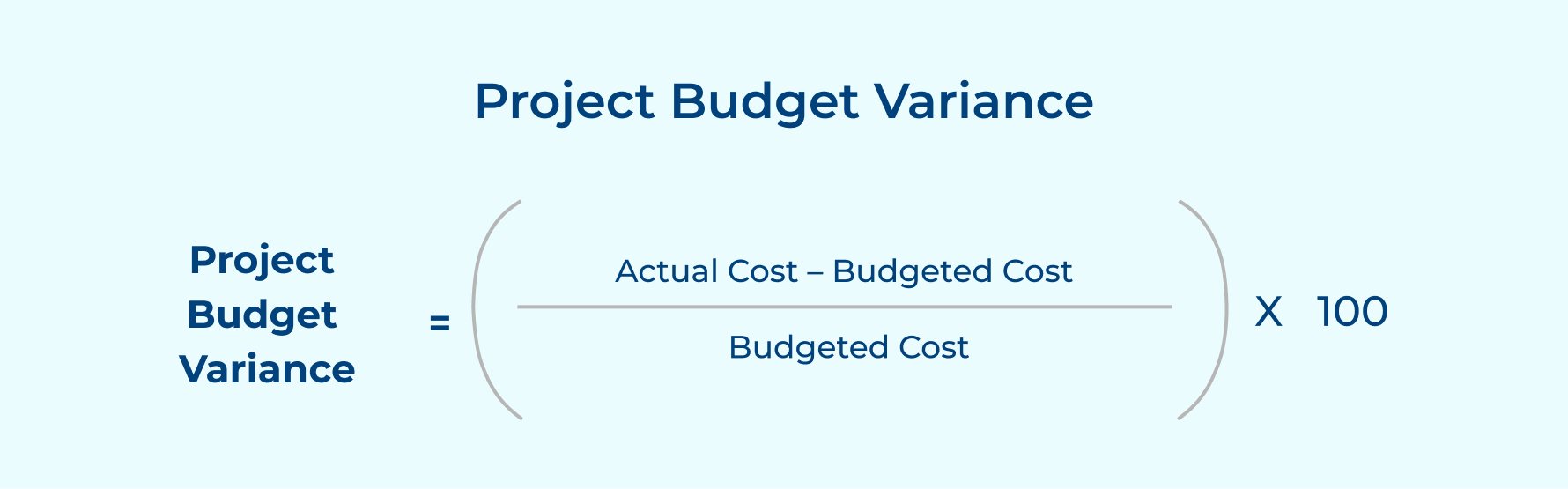
The goal is to stay within ±5% for well-defined services and ±10% for newer or complex projects.
Why this matters:
- Frequent overruns hurt margins and may point to broken processes.
- Positive variances (under budget) aren’t always great—they could mean over-quoting or under-delivering.
- Tracking by project type or client helps refine your pricing strategy.
For example, if a branding agency estimated 120 hours but used 150 at $150/hour, that’s a $4,500 overrun or +25%. That’s a red flag you can’t ignore.
6. On-Time Delivery Rate
On-Time Delivery Rate shows how often your team meets project deadlines and it’s a major trust builder for clients. It also reflects how well your project management and resource allocation are working.
To calculate:

Most firms aim for 85–90%, while top-tier service providers target 95%+ to uphold their premium reputation.
Why it matters:
- Client satisfaction: Meeting deadlines builds confidence and leads to repeat business as well as referrals.
- Operational efficiency: Frequent delays often signal deeper issues in planning or resourcing.
To improve, set internal deadlines a few days ahead of client ones, track milestones closely, and hold regular check-ins to catch risks early—before they snowball.
7. Employee Burnout Risk Score
Burnout Risk Score helps you spot when team members might be heading toward burnout by looking at how hard and how long they’re working, plus how complex their projects are.
Here’s how it’s calculated:
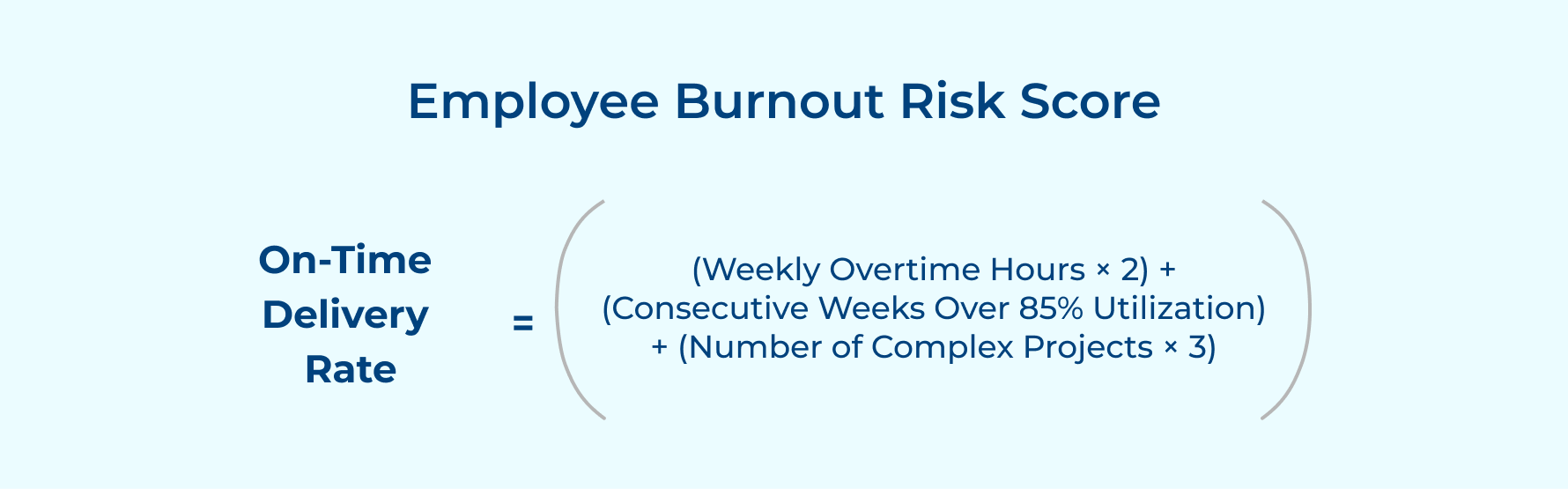
By tracking overtime, sustained high workloads, and multiple tough projects at once, you get a clear picture of who’s at risk.
Scores below 10 are generally healthy. Between 10-20 means the risk is rising and you should step in. Above 20 is critical, it is the time to adjust workloads immediately to avoid burnout and keep your talent strong.
To lower burnout risk, build in buffer days between heavy projects and create focused “deep work” blocks so your team can work efficiently without distractions or extra hours.
8. Skill Gap Analysis
Skill Gap measures the difference between the skills your team currently has and what’s needed to handle your current as well as upcoming projects. This helps you spot where training or hiring is needed to keep work flowing smoothly.
Here’s the formula:
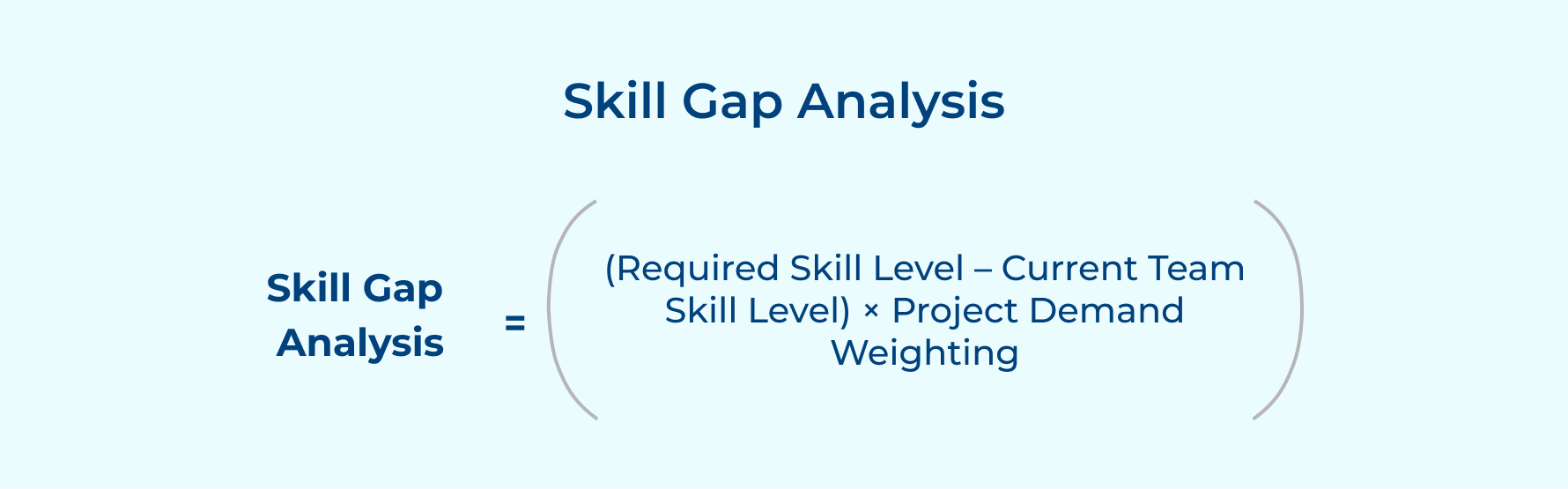
Top service firms aim to keep this gap under 15% for core services and allow up to 25% in newer areas where demand is still growing. Checking this quarterly keeps you aligned with market changes.
Tips to manage skill gaps:
- Build training paths linked to your sales pipeline, so learning directly supports revenue goals.
- Map “skills adjacent” and find team members who can quickly upskill based on their current strengths.
For example, a digital marketing agency had a 35% gap in marketing automation skills. They trained three content strategists with related skills, cutting the gap to 10% in just three months.
How to Effectively Track your Resource Management KPIs?
Implementing a successful KPI tracking system requires both thoughtful planning and consistent execution to generate truly actionable insights.
Before diving into best practices, it’s crucial to answer these four foundational questions that will shape your entire KPI tracking system:
- What specific business objectives are you trying to achieve with each KPI?
- Who will be responsible for collecting, analyzing, and reporting on each metric?
How frequently should each KPI be measured to provide meaningful data without creating administrative burden? - What thresholds or benchmarks will trigger specific actions when KPIs move outside acceptable ranges?
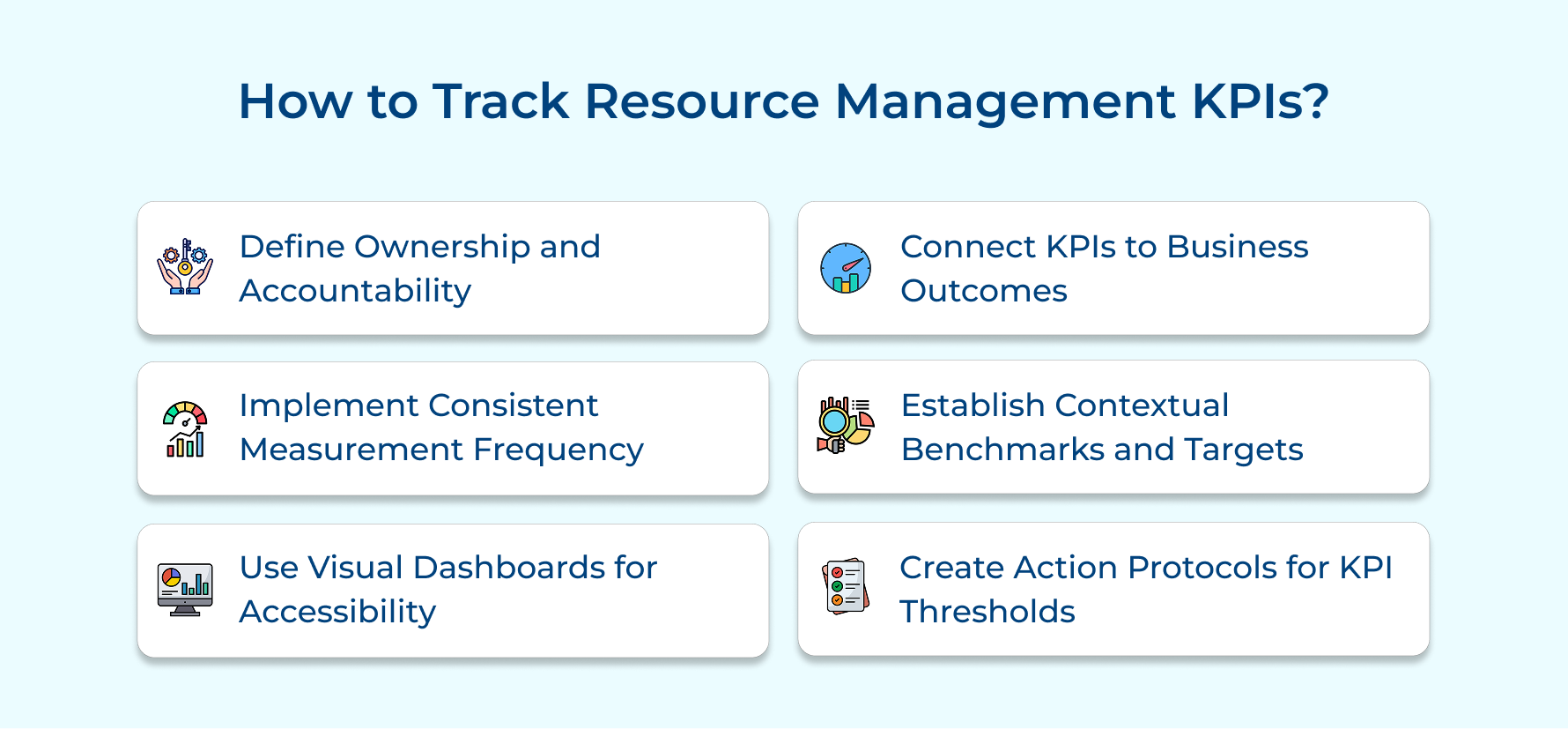
1. Define Clear Ownership and Accountability
Assign specific team members responsibility for each KPI with scheduled review cycles. This ownership prevents metrics from falling through cracks and creates personal investment in driving improvements across the organization.
2. Implement Consistent Measurement Frequency
Establish regular rhythms for measuring each KPI that match how quickly the metric can meaningfully change. Daily tracking works for utilization while quarterly assessments suffice for skill gaps and strategic metrics.
3. Use Visual Dashboards for Accessibility
Create intuitive visual representations that make performance trends immediately apparent. Color-coded dashboards comparing current values against targets help busy professionals quickly identify areas needing attention without digging through spreadsheets.
4. Connect KPIs to Business Outcomes
Demonstrate how movement in resource metrics directly impacts financial performance and client satisfaction. This connection helps team members understand why tracking matters and increases buy-in for process changes needed to improve results.
5. Establish Contextual Benchmarks and Targets
Set realistic improvement targets based on your specific business model rather than generic industry averages. Consider factors like company size and service complexity when setting benchmarks that stretch your team without creating impossible standards.
6. Create Action Protocols for KPI Thresholds
Develop specific response plans that automatically trigger when metrics cross certain thresholds. These protocols might include escalation paths and resource reallocation steps that ensure consistent handling across different project teams.
Leverage Resource Management KPIs to Optimize Your Potential & Maximize Success
Resource management KPIs provide the vital insights needed to make data-driven decisions in service-based businesses. By monitoring these metrics systematically, you transform gut feelings into measurable facts that reveal exactly where your operational inefficiencies hide and which service areas truly drive profitability.
Professional service firms that implement these measurement practices consistently outperform their competitors in key financial indicators. The disciplined tracking of resource utilization, project profitability, and delivery metrics creates a foundation for strategic growth that balances team wellbeing with client satisfaction while maximizing sustainable revenue.
Limit time — not creativity
Everything you need for customer support, marketing & sales.

Shivank Kasera is part of the marketing team at Kooper, where he focuses on building content that helps agencies and service providers grow. With a keen interest in SaaS, operations, and scalability, he translates practical insights into actionable resources for business leaders.