9 Client Management Challenges and How to Prevent Them

Key Highlights:
- Client management challenges often begin with misaligned expectations, poor communication and unclear project boundaries.
- Scope creep, missed deadlines and endless revisions are common client challenges hurting profitability as well as morale.
- Unresolved client challenges lead to burnout, delayed payments, dissatisfied clients and higher employee churn.
Client relationships fall apart when expectations clash with reality and communication breaks down. Your team feels overwhelmed by scope creep while clients grow frustrated with missed deadlines and unclear deliverables.
These problems drain profitability through endless revisions and erode team morale as talented people burn out from constant firefighting. Meanwhile competitors who manage clients better are stealing your best accounts.
The good news is that most client management challenges stem from predictable patterns you can prevent with the right systems. This guide reveals nine common challenges agencies face and practical strategies to stop them before they damage your relationships or bottom line.
What are Client Management Challenges?
Client management challenges are the recurring difficulties agencies face when trying to balance client expectations with realistic deliverables while maintaining profitable relationships. These struggles emerge from misaligned communication and unclear project boundaries that create friction in day-to-day operations.
Unresolved client management issues lead to scope creep that erodes profit margins. Teams burn out from constant revisions and your agency develops a reputation for missed deadlines. Clients leave dissatisfied as well as talented employees start looking elsewhere.
Main objectives:
- Establish clear boundaries around project scope and revision limits from the initial contract stage.
- Create communication systems that keep clients informed without allowing constant interruptions to workflow.
- Build pricing structures that account for the true cost of client demands and protect profitability.
- Develop onboarding processes that educate clients about realistic timelines and your working methodology.
- Train your team in diplomatic pushback techniques so they can maintain professional relationships while protecting project parameters.
9 Common Client Problems and How to Prevent Them
Strong Customer Relationship Management is essential for smoother client projects, fewer roadblocks and a higher retention rate. Here’s how to prevent common client problems before they derail progress.
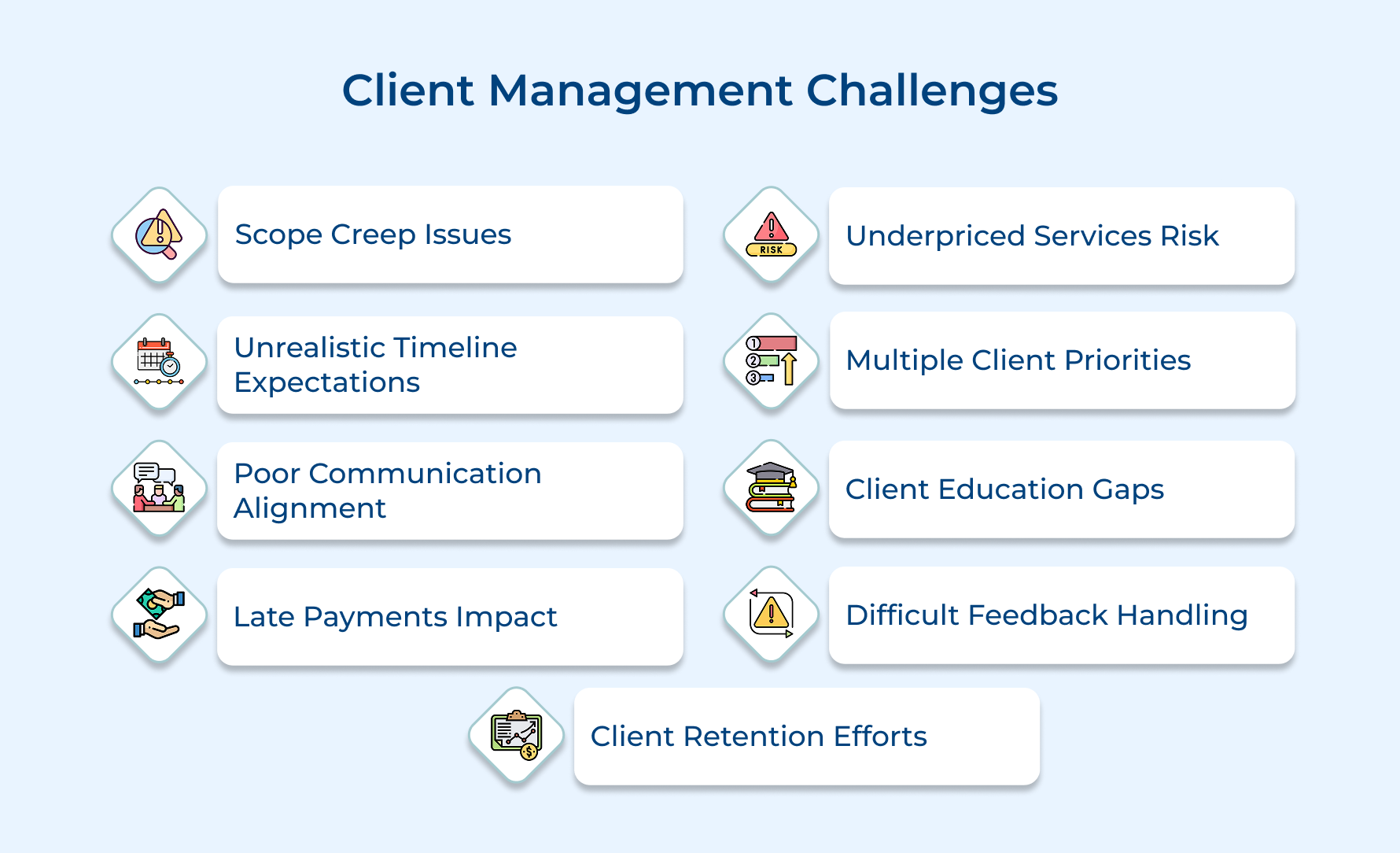
1. Scope Creep and Boundary Issues
Scope creep happens when projects expand beyond original agreements without adjusting budgets or timelines. Overcoming it protects your profitability and prevents team burnout.
This challenge stems from several underlying causes that compound over time:
- Vague contracts and project definitions: When initial agreements lack specific deliverables as well as clear boundaries, clients naturally assume more is included in the base price.
- Fear of damaging client relationships: Many agencies avoid difficult conversations about additional charges because they worry the client will become upset or leave for a competitor.
- Lack of formal change request processes: Without a structured system for handling new requests, small additions slip through untracked and create precedents for free extra work.
Address scope creep by creating detailed contracts with specific deliverable lists and implementing a formal change order system. Train your team to identify out-of-scope requests immediately and respond with solutions that acknowledge the request while protecting project boundaries.
2. Unrealistic Timeline Expectations from Clients
Clients often push for delivery dates that don’t match the actual complexity of the work. That mismatch strains your team, leads to rushed outputs and hurts overall client relations.
A more realistic timeline starts with better upfront clarity. Walk clients through each phase during discovery so they understand why certain steps take time—and what happens when quality is compromised by shortcuts.
Add small timeline buffers as a standard part of your estimates to account for revisions and unexpected delays.
Visual project timelines also help. Simple Gantt charts or roadmaps show how delayed feedback affects everything that follows, making clients more reasonable about deadlines.
One agency even fixed constant “urgent” requests by introducing tiered pricing—normal rates for standard timelines and a 25% premium for expedited work. Almost overnight, clients stopped inventing unrealistic deadlines once speed came with a price tag.
3. Poor Communication and Misaligned Expectations
Miscommunication can derail even the best projects. When deliverables don’t match what clients imagined or feedback comes in late and inconsistently, frustration builds as well as your team ends up redoing work that could’ve been right the first time.
A simple reset can fix even long-standing communication issues. Start by setting one point of contact on both sides and agree on a structured feedback schedule with clear response windows. This cuts out the chaos of scattered messages and helps everyone know when decisions need to be made.
Here are the biggest communication blockers to watch for:
- Conflicting stakeholder feedback: Multiple decision-makers share contradictory opinions, leaving your team unsure whose direction to follow.
- Assumption gaps about industry norms: Clients unfamiliar with your industry may not understand terminology, processes, or best practices.
4. Late Payments and Cash Flow
Late payments can seriously disrupt your agency’s cash flow, making it harder to pay your team and vendors on time. Fixing this issue creates financial stability so you can focus on delivering great work.
Here are the most common reasons clients delay payments:
- Clients treating agencies like banks: Some intentionally stretch payment cycles to improve their own cash flow, assuming you can absorb the delay.
- Disputes over deliverables or scope: If clients feel something was missed or unclear, they may hold payment hostage for extra revisions.
- Weak enforcement of payment terms: When agencies don’t follow up promptly, clients learn there are no consequences for paying late.
Prevent recurring payment delays by:
- Asking for upfront deposits and use milestone-based payments so cash flow aligns with project progress.
- Automating reminders to keep invoices on clients’ radar.
- Adding clear late fees in your contracts so clients understand that delayed payments directly impact your operations.
5. Underpricing Services and Profitability Erosion
Underpricing happens when agencies charge less than the true cost of delivering quality work. This mistake often stems from desperation to win clients or fear that honest pricing will drive business to cheaper competitors.
When you ignore pricing problems early they compound rapidly and threaten business survival. Your best team members leave for better-paying opportunities and you lack resources to invest in tools or training that would improve service quality as well as efficiency.
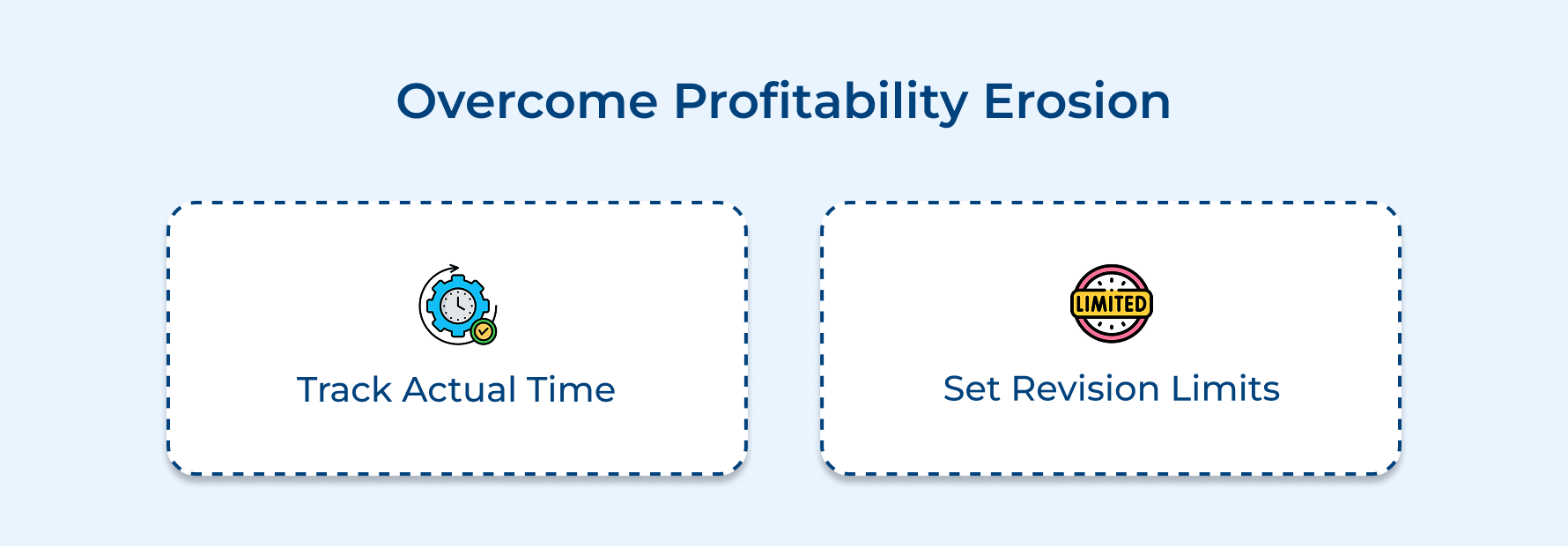
How to overcome it?
- Track actual time against estimates:
Record how long each project phase really takes and compare it to what you originally quoted so you can identify where your pricing assumptions diverge from reality.
- Build revision limits into base pricing:
Include a specific number of revision rounds in your standard packages and charge separately for additional changes so clients understand that unlimited tweaks cost more than focused feedback.
6. Managing Multiple Client Priorities Simultaneously
Juggling multiple client demands can overwhelm even the best teams, especially when every client thinks their project deserves top priority. Handling this well keeps workloads manageable, protects quality and supports your customer success managers so they don’t burn out.
Here’s how to create order when demands start piling up:
- Use transparent capacity planning: Rely on project management tools to show team availability across all accounts. This helps you set realistic timelines and decide when new work can begin.
- Set priority tiers early: Agree with clients on what counts as a true emergency versus a standard turnaround before urgent requests start popping up.
- Build buffer time into schedules: Keep some weekly hours unbooked so the team can absorb unexpected asks without disrupting planned work.
- Rotate communication owners: Spread client communication across team members so a single customer success manager doesn’t carry the entire mental load of switching between accounts.
Setting boundaries and realistic timelines helps you protect quality. Clients trust you more because you deliver exactly what you promise.
7. Client Education and Process Adoption
Client education challenges pop up when clients push back on your proven methods or simply don’t understand why certain steps matter. This slows projects and makes it harder for you to demonstrate your expertise.
Before jumping into fixes, reflect on a few key questions:
- Does the client understand why your process exists?
- Have you shown what happens when steps are skipped or rushed?
- Are you explaining things in their language—or drowning them in internal jargon?
- Did you involve them in shaping the timeline and approach?
These questions help you see whether you’ve genuinely educated the client or just shared a process document. When clients understand the purpose behind each step and see the consequences of shortcuts, they shift from resisting your methodology to supporting it.
Walk them through a side-by-side comparison of projects done with and without your process. During onboarding, explain each phase in terms of the value it creates for their goals.
8. Handling Difficult Feedback and Revisions
Difficult feedback often shows up as vague comments like “I don’t like it,” leaving your team guessing what the client actually wants. It’s frustrating because your creatives are ready to improve the work—they just need clear direction.
Most of the time, the issue is that clients judge work based on personal taste instead of strategic goals. They’ve never been taught how to give structured, actionable feedback, so their comments lack clarity and context.
Here’s how to make feedback actually useful:
- Use structured feedback templates: Give clients guided forms with targeted questions. This shifts their responses from subjective opinions to clear, strategic input.
- Limit revision rounds: Set boundaries in your contracts so clients know how many revision cycles are included. It encourages them to focus on meaningful changes instead of endless tweaking.
- Ask for one consolidated source of feedback: Require clients to collect all internal opinions and send a single, unified direction. This prevents conflicting requests and keeps your team from doing double work.
9. Client Retention and Relationship Maintenance
Client retention becomes a challenge when relationships fade after a project ends as well as clients don’t return. And because winning new clients costs far more than keeping existing ones, nurturing long-term partnerships directly boosts profitability.
Here’s how to turn one-off projects into ongoing relationships:
- Stay connected with regular check-ins: Schedule quarterly strategy calls or casual catchups, even when no active project exists. These conversations keep you top-of-mind and help you spot new needs before clients look elsewhere.
- Offer retainer packages with ongoing value: Create monthly plans that mix strategy, support and production work. When clients interact with you consistently, the relationship stays warm and the value stays visible.
- Use consistent touchpoints: One design agency cut churn by launching a monthly newsletter with case studies and design insights. Former clients started reaching out again simply because the agency stayed present and reminded them of the results they delivered.
Client Management Strategies to Set You Up for Success
Strong client management doesn’t happen by accident. These five strategies create the foundation for healthy relationships that benefit both your agency and clients.
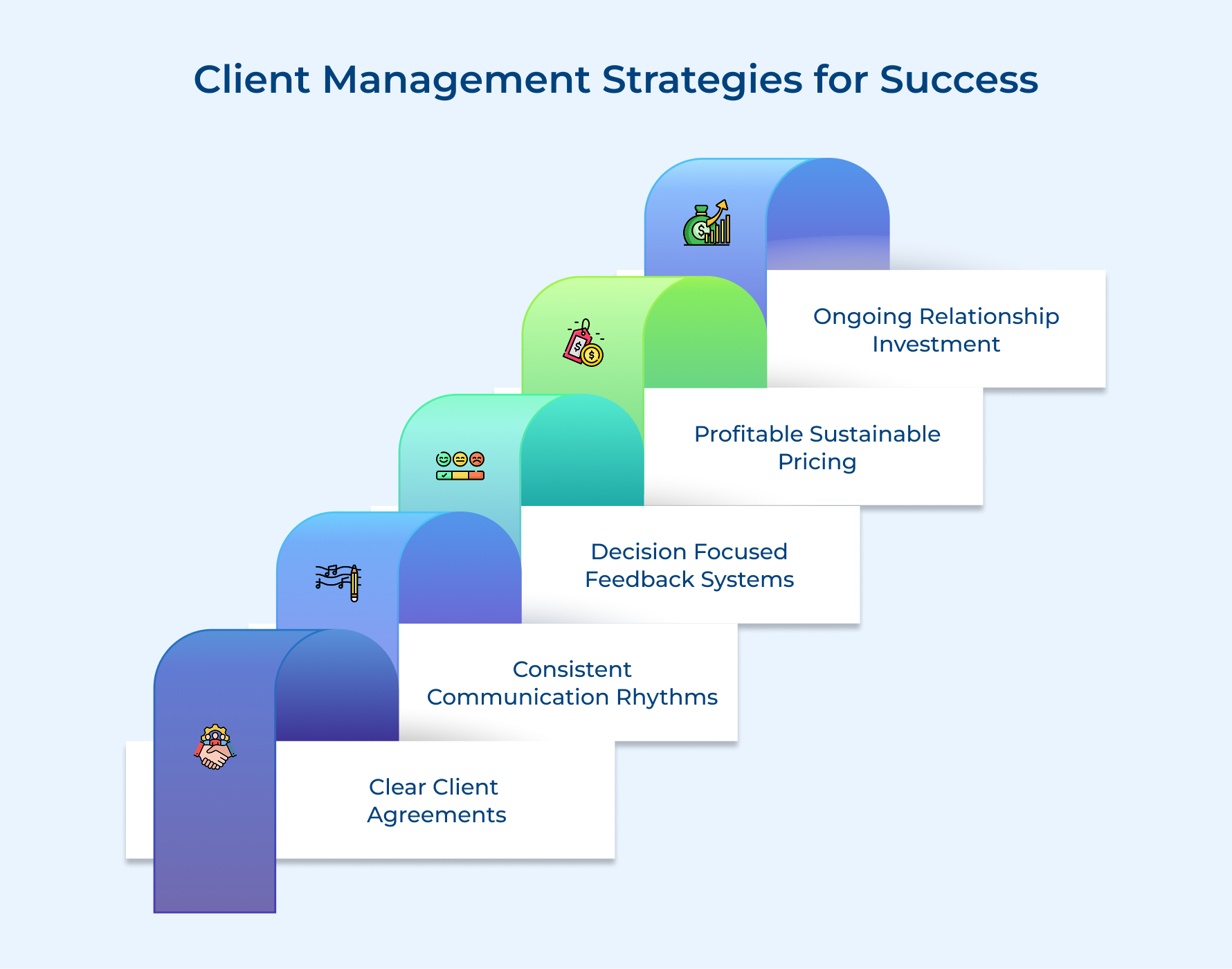
Establish Clear Agreements Before Work Begins
Make sure every deliverable, timeline and expectation is spelled out before anyone starts working. When everything is documented upfront, there’s no confusion later about what was promised or when milestones are due.
Create Structured Communication Rhythms
Instead of replying to scattered messages all day, set predictable check-in times with clear agendas. This keeps conversations focused, reduces interruptions and ensures important updates don’t disappear into long email chains.
Build Feedback Systems That Drive Decisions
Use guided templates to help clients give specific, strategic feedback. When they evaluate work based on goals (not personal taste) your team gets clear direction and avoids endless revisions.
Price for Profitability and Sustainability
Know your true delivery costs, including time spent on revisions and account management, then price accordingly. Healthy margins allow you to hire the right talent while maintaining the quality your clients expect.
Invest in Relationship Maintenance Beyond Projects
Keep the connection alive even when no project is running. Share industry insights, trends, or quick strategy check-ins so clients see you as a long-term partner, not just a vendor they contact occasionally.
Turn Hurdles into Harmony by Overcoming Client Management Challenges
Client management challenges don’t have to define your agency’s story. When you implement clear processes and communication frameworks you transform difficult relationships into productive partnerships that benefit everyone involved.
The agencies that thrive are those who view client management as a skill worth developing rather than an unavoidable burden. By addressing these challenges systematically you create space for creative work and build a reputation that attracts ideal clients.
Limit time — not creativity
Everything you need for customer support, marketing & sales.

Neeti Singh is a passionate content writer at Kooper, where he transforms complex concepts into clear, engaging and actionable content. With a keen eye for detail and a love for technology, Tushar Joshi crafts blog posts, guides and articles that help readers navigate the fast-evolving world of software solutions.