Essential Resource Management Techniques for Project Success
- What are Resource Management Techniques?
- Why Resource Management Techniques are Important in Project Management?
- 7 Proven Resource Management Techniques for Successful Project Delivery
- Strategic Resource Management Best Practices for Modern Agencies
- Streamline your Projects with Resource Management Techniques
- FAQs about Resource Management Techniques

Key Highlights:
- Streamline agency operations using structured resource management techniques for predictable, profitable project outcomes.
- Enhance team productivity and prevent burnout using techniques like resource leveling as well as utilization tracking in professional services projects.
- Improve client satisfaction through strategic resource management methods that align skills with project goals.
Project managers constantly struggle with overallocated team members missing deadlines and frustrated clients while juggling multiple competing priorities. These resource conflicts create stress cycles that damage both team morale and client relationships leading to costly project failures.
This imbalance creates internal tension reduces productivity and forces expensive last-minute scrambling for external contractors to meet commitments.
Seven proven resource management techniques can transform your chaotic project environment into a well-coordinated system. Let’s explore these strategic approaches to eliminate resource conflicts while ensuring consistent project delivery that exceeds client expectations.
What are Resource Management Techniques?
Resource management techniques are structured methods used for the allocation of resources throughout project lifecycles. These techniques focus on strategic project planning to ensure the right people with the appropriate skills are assigned to tasks at optimal times. They also address skill gaps by identifying where additional training or hiring may be needed to meet project requirements.
Effective resource management transforms how agencies deliver client work by reducing bottlenecks and unnecessary costs. When teams have access to the right expertise at the right moment, projects are completed faster and with higher quality. This systematic approach also prevents resource conflicts between competing projects and ensures balanced workloads.
Main objectives:
- Maximize resource utilization: Ensure every team member contributes meaningfully without experiencing burnout or idle time.
- Balance workload distribution: Spread tasks evenly across available staff to prevent overallocation on critical team members.
- Align skills with project requirements: Match individual expertise and experience levels with specific project demands as well as client needs.
- Minimize resource conflicts: Prevent scheduling overlaps when the same specialists are needed across multiple concurrent projects.
- Optimize project timelines: Coordinate resource availability to accelerate delivery while maintaining quality standards and client satisfaction.
Why Resource Management Techniques are Important in Project Management?
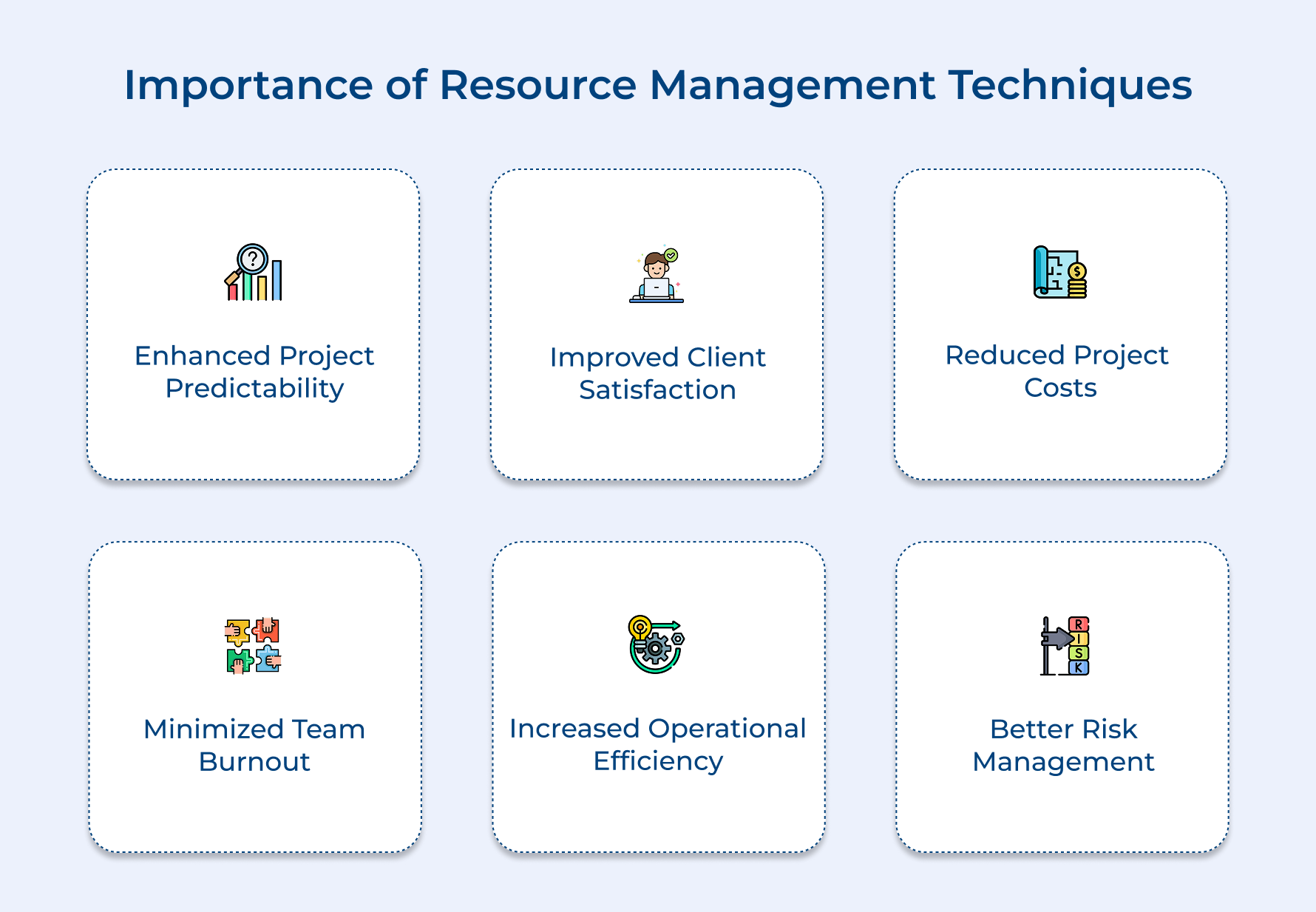
Resource management techniques are crucial in project management to ensure teams are efficiently allocated and projects run smoothly. Let’s explore why these techniques are more important than project management itself.
Enhanced Project Predictability
Resource management techniques provide a clear framework that lets project managers forecast timelines and deliverables with more confidence. Tracking actual time and knowing when each team member’s skills are available helps you set realistic client expectations while preventing delay-related surprises.
Improved Client Satisfaction
Proper allocation of resources ensures clients consistently receive the expertise and attention they need throughout the project. It’s like a dedicated concierge service where someone always knows the status of requests and can provide immediate support.
Reduced Project Costs
Strategic resource planning prevents expensive last-minute hires or contractors when internal teams face skill shortages. Agencies can maintain profit margins while delivering high-quality results that encourage repeat business.
Minimized Team Burnout
Balanced workload distribution avoids overloading top performers while giving junior staff the right challenges to grow. This creates sustainable teams that stay motivated over time.
Increased Operational Efficiency
Using Agile methodology, resource management reduces internal conflicts by clearly defining roles and timing, so multiple managers aren’t competing for the same specialists.
Better Risk Management
Proactive planning identifies potential bottlenecks early, turning what could be crises into minor adjustments that clients barely notice, even during skill shortages or shifting priorities.
7 Proven Resource Management Techniques for Successful Project Delivery
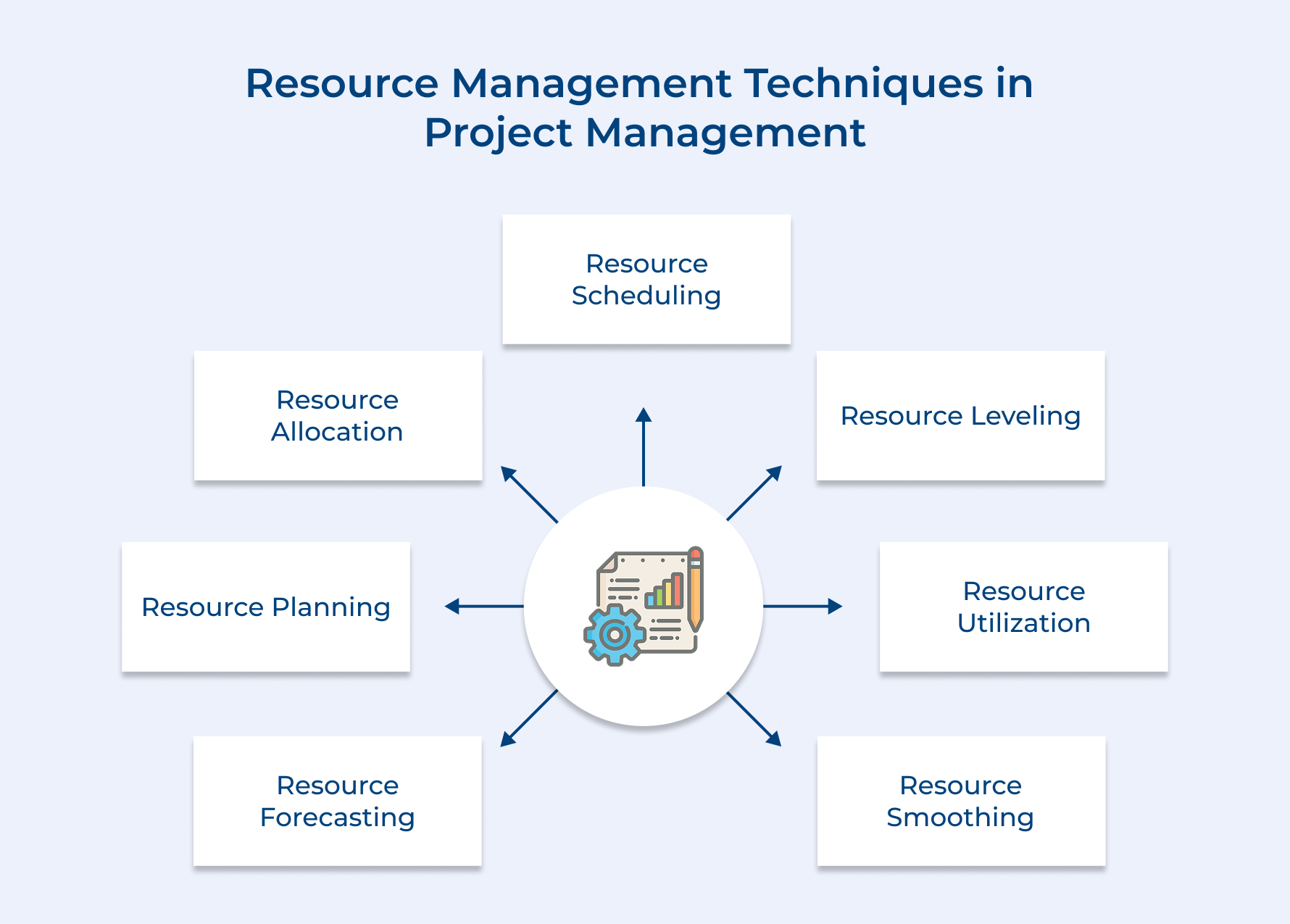
Let’s learn seven indispensable resource management techniques that will not only streamline your projects but also enhance your ability to adapt to unforeseen challenges.
1. Resource Forecasting
Resource forecasting is the systematic process of predicting future resource requirements based on anticipated workload and project demands. This technique is essential because it enables us to prepare for upcoming needs rather than reactively scrambling for talent when projects begin.
Professional services and agencies rely heavily on accurate forecasting to maintain competitive advantage in client delivery:
- Market analysis integration: Teams examine industry trends and client behavior patterns to anticipate seasonal demand fluctuations.
- Pipeline evaluation: Project managers review incoming opportunities and convert probability estimates into concrete resource requirements.
- Capacity planning: Leadership calculates available working hours against projected needs to identify potential shortfalls or surplus capacity.
- Skill requirement mapping: Managers determine specific expertise needed for upcoming projects and assess current team capabilities against future demands.
- Timeline projection: Teams establish realistic delivery schedules based on resource availability rather than arbitrary client expectations.
Consider a digital marketing agency that notices their e-commerce clients typically launch major campaigns before holiday seasons. By analyzing historical patterns they can predict increased demand for graphic designers and copywriters during September through November periods.
2. Resource Planning
Resource planning is all about creating smart strategies to acquire, develop and deploy the right people to achieve project goals efficiently. It turns big-picture project objectives into concrete staffing plans that guide everyday decisions.
This process connects what your team can do today with what future projects will need. By reviewing skill inventories and spotting development opportunities, resource planning helps build roadmaps that align current capabilities with upcoming demands, while also supporting professional growth for team members.
Pro tips:
- Build skill matrices that compare team expertise against project requirements to spot gaps and training opportunities.
- Create succession plans for key roles so projects don’t stall if senior team members become unavailable.
3. Resource Allocation
Resource allocation is the strategic process of assigning the right team members to the right tasks based on their skills, availability and project priorities. It’s a cornerstone of resource management because it ensures projects have the expertise they need at the right time.
Effective allocation benefits both clients and teams:
- Skill-based matching aligns tasks with individual strengths, delivering high-quality results while keeping team members engaged.
- Cross-functional integration brings specialists from different areas together to solve complex challenges, creating collaboration and learning.
- Priority-driven distribution assigns top performers to critical projects while giving emerging talent mentorship opportunities, balancing client satisfaction with professional growth.
Conflicts can arise when multiple projects need the same experts. These challenges are addressed through flexible skill-sharing and cross-training, expanding capabilities while ensuring teams remain adaptable while maintaining project quality.
4. Resource Scheduling
Resource scheduling is the organized process of planning when team members will work on specific tasks while coordinating their availability across multiple projects. It’s essential for avoiding double-booking and ensuring client deliverables get the attention they need at the right time.
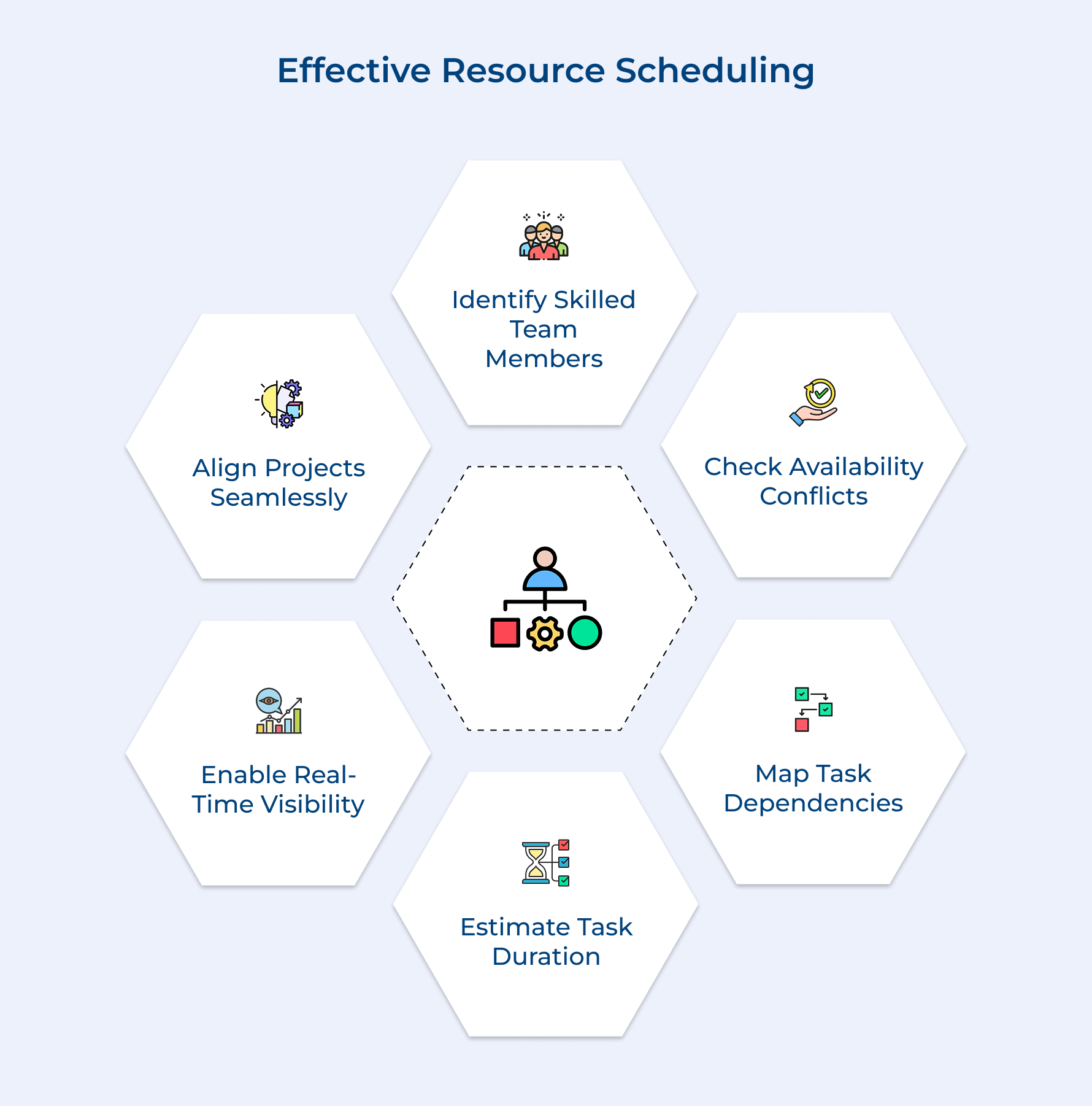
Key Questions for Effective Resource Scheduling:
- Which team members have the skills required for each task?
- When are they available without conflicting commitments?
- What dependencies exist between this task and other project activities?
- How long will the task realistically take to complete?
Answering these questions helps managers anticipate conflicts and plan realistically. Combining this with clear communication and shared calendars gives teams real-time visibility, keeping multiple projects aligned as well as client timelines on track.
5. Resource Leveling
Resource leveling is the practice of smoothing out workload peaks and valleys to ensure a consistent distribution of tasks across project timelines. This approach is crucial in project management to prevent burnout and keep key skills available when projects need them most.
Professional services benefit from resource leveling by maintaining steady productivity while protecting team wellbeing:
- Workload analysis: Identify team members who are overallocated or underutilized.
- Timeline adjustment: Shift non-critical tasks to balance demand across periods.
- Priority reassessment: Determine which deliverables can be delayed slightly without affecting client satisfaction.
- Capacity redistribution: Reassign tasks to available team members with complementary skills.
- Buffer integration: Add time cushions around critical tasks for unexpected delays.
Effective leveling balances client expectations with team sustainability, ensuring quality delivery without overburdening staff.
6. Resource Utilization
Resource utilization measures how effectively team members spend their working hours on billable client work versus non-productive tasks. The technique is critical in professional services project management because it directly affects profitability and ensures organizations can maintain competitive pricing without compromising service quality.
Tracking resource utilization allows teams to make smarter staffing decisions and spot opportunities to streamline processes. Patterns reveal when certain roles are underused, enabling managers to redistribute tasks and maximize contributions to client success.
For example, if senior analysts spend only 60% of their time on client work, automating reporting and delegating administrative tasks to junior staff can boost billable utilization to 80%.
Best practices:
- Track utilization weekly to spot trends and adjust proactively.
- Set realistic targets of 70–80% to balance billable work with development and administrative tasks.
7. Resource Smoothing
Resource smoothing is all about making small, thoughtful adjustments to project timelines and task sequences to keep resource demand steady without affecting overall project completion dates. This approach helps teams maintain consistent productivity while avoiding the stress and quality issues that arise from sudden workload spikes or lulls.
Gradual workload adjustment shifts non-critical tasks earlier or later to spread resource demands evenly. This prevents team members from experiencing periods of overload or inactivity, keeping projects moving smoothly and clients satisfied.
Non-critical task flexibility management identifies deliverables that can be delayed or advanced without affecting project dependencies or client commitments. This allows managers to strategically adjust workloads while safeguarding critical path milestones that determine project success.
Buffer time integration adds realistic time cushions around resource-intensive tasks. These buffers help teams handle unexpected challenges, scope changes, or technical issues without creating emergencies, ensuring that multiple projects continue running efficiently and resources remain balanced across the organization.
Strategic Resource Management Best Practices for Modern Agencies
These best practices help professional services and agencies transform theoretical knowledge into practical results that improve project outcomes as well as team satisfaction.
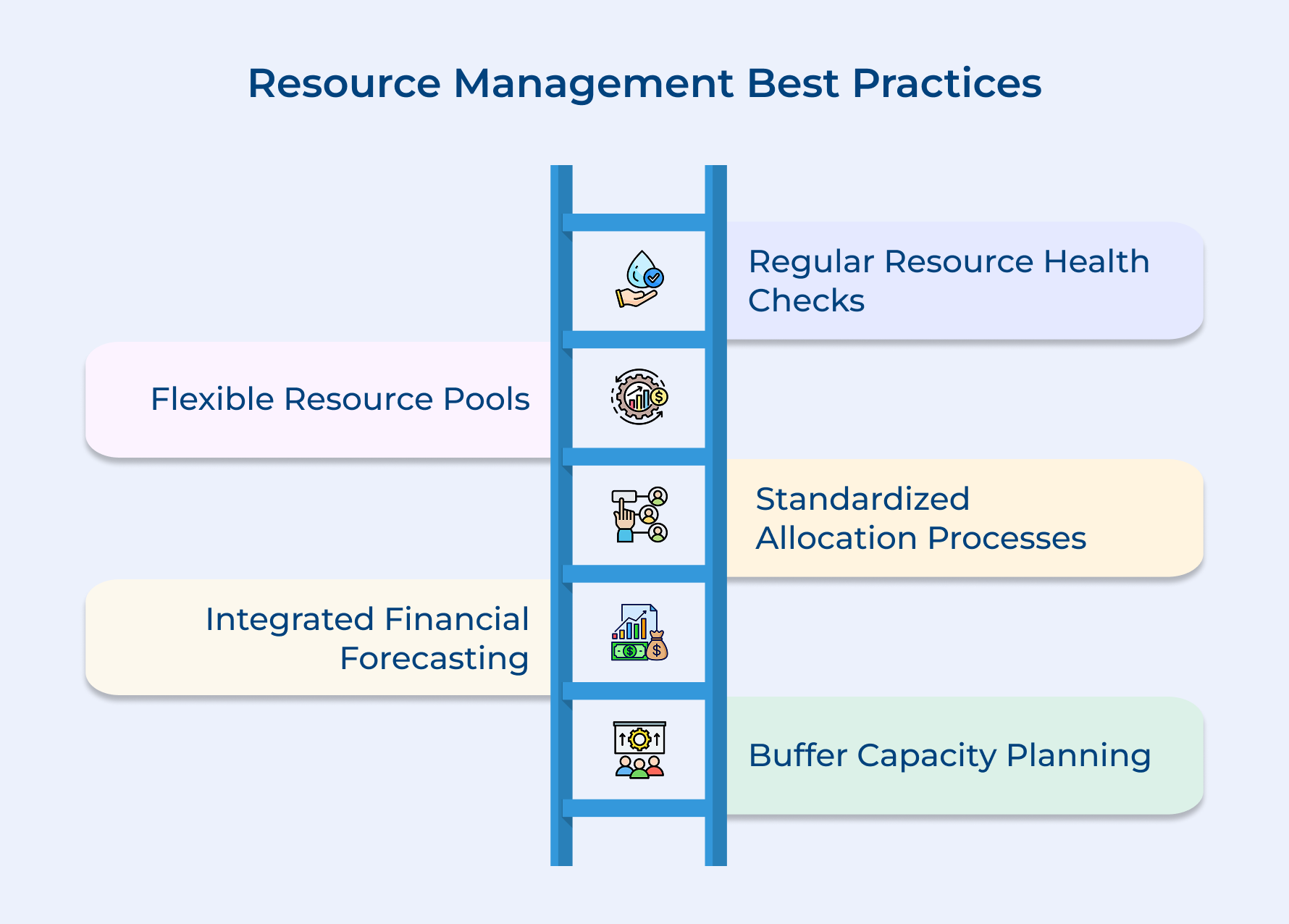
Implement Regular Resource Health Check Reviews
Hold weekly review meetings where project managers discuss upcoming resource needs and potential conflicts. These discussions help spot bottlenecks early and open opportunities for cross-training or temporary skill-sharing between teams.
Develop Flexible Resource Pools for Peak Demand
Keep a roster of reliable freelancers or part-time specialists to support internal teams during high-demand periods. This approach allows you to scale up or down without overburdening your core team.
Standardize Resource Allocation Decision-Making Processes
Set clear criteria for assigning resources when multiple projects compete for the same specialists. A consistent approach keeps assignments fair, reduces internal politics and helps team members understand why decisions are made.
Integrate Resource Planning with Financial Forecasting
Connect utilization data with revenue projections to see the financial impact of staffing decisions. This helps agencies make smarter choices about project selection and service pricing.
Build Buffer Capacity into Resource Planning Models
Plan for around 80% resource utilization instead of maxing out capacity. This leaves room for unexpected changes, sick days, or shifting priorities, keeping projects on track.
Streamline your Projects with Resource Management Techniques
Resource management techniques turn chaotic projects into smooth, organized operations. Every team member can contribute effectively without feeling overwhelmed. These methods create predictable workflows that clients notice and teams enjoy working within. They also help align work with broader organizational goals.
Good resource management also supports smart financial resource management by ensuring staff time and skills are used effectively, reducing unnecessary costs. Start small by implementing one technique at a time. As confidence grows, you can expand your resource management practices across all projects, driving sustainable business growth and stronger alignment with organizational priorities.
Limit time — not creativity
Everything you need for customer support, marketing & sales.

Shivank Kasera is part of the marketing team at Kooper, where he focuses on building content that helps agencies and service providers grow. With a keen interest in SaaS, operations, and scalability, he translates practical insights into actionable resources for business leaders.