Top 13 Capacity Planning Metrics Every Agency Should Track
- What are Capacity Planning Metrics?
- Top Advantages of Using Capacity Planning Metrics
- 13 Essential Capacity Planning Metrics for Agencies
- A. Utilization Metrics
- B. Financial Performance Metrics
- D. Demand Forecasting Metrics
- E. Innovation and Growth Metrics
- 6 Best Practices for Collecting and Analyzing Capacity Planning Metrics
- Challenges Agencies Face While Tracking Capacity Planning Metrics
- Optimize Your Resources with Capacity Planning Metrics
- FAQs about Capacity Planning Metrics

Key Highlights:
- Capacity planning metrics reveal underused resources, enabling smarter workload distribution and maximizing productivity across your entire team for efficiency.
- Accurate capacity metrics help agencies commit to realistic timelines, reducing delays while improving client satisfaction through reliable project delivery.
- Tracking real demand patterns help agencies use capacity metrics to hire new talent at the optimal time, avoiding costly staffing mistakes.
Most agencies find themselves in constant chaos when it comes to managing resources. Some team members are overloaded, while others are underused. And that imbalance means missed revenue, frustrated staff as well as lost opportunities.
When you’re not tracking the right metrics, you risk hiring the wrong people, overpromising to clients, and bleeding profit. This is all while competitors with smarter systems keep scaling smoothly.
That’s where smart capacity planning metrics come in. They take the guesswork out of resourcing by showing you exactly where to adjust, when to hire, and how to make the most of every team member. Without much ado, let’s get into the details.
What are Capacity Planning Metrics?
Capacity planning metrics are quantitative measurements that professional services firms use to track how effectively they’re utilizing their people and resources. These metrics help agencies understand if they have the right number of skilled professionals working on the right projects at the right time.
These metrics work by comparing your available resources against actual demand from clients and projects. You collect data on billable hours, project timelines, and staff availability to create a clear picture of utilization patterns. This information helps you spot bottlenecks before they hurt client delivery and identifies opportunities.
Key objectives:
- Maximize billable utilization: Ensure your team spends optimal time on revenue-generating client work rather than administrative tasks.
- Prevent resource conflicts: Avoid the chaos of having three projects competing for your best developer’s time next Tuesday.
- Improve project profitability: Match the right skill levels to tasks so you’re not paying senior rates for junior work.
- Enable accurate forecasting: Predict when you’ll need to hire new talent or turn down projects based on realistic capacity constraints.
- Reduce employee burnout: Spot overallocation patterns early so your star performers don’t burn out from impossible workloads.
Top Advantages of Using Capacity Planning Metrics
When agencies start tracking their capacity systematically, they unlock powerful insights that transform how they operate. Let’s explore why these metrics matter so much for professional services firms.
Understanding these benefits requires answering four fundamental questions about your current operations:
- Do you know exactly how many billable hours each team member delivered last month compared to their availability?
- Can you predict with confidence if you’ll have enough resources to deliver that big project starting next quarter?
- Are you able to spot which team members are heading toward burnout before they actually burn out?
- Do you understand which types of projects generate the highest profit margins relative to the resources they consume?
Now let’s examine the six key benefits that capacity planning metrics deliver for agencies and consultancies:
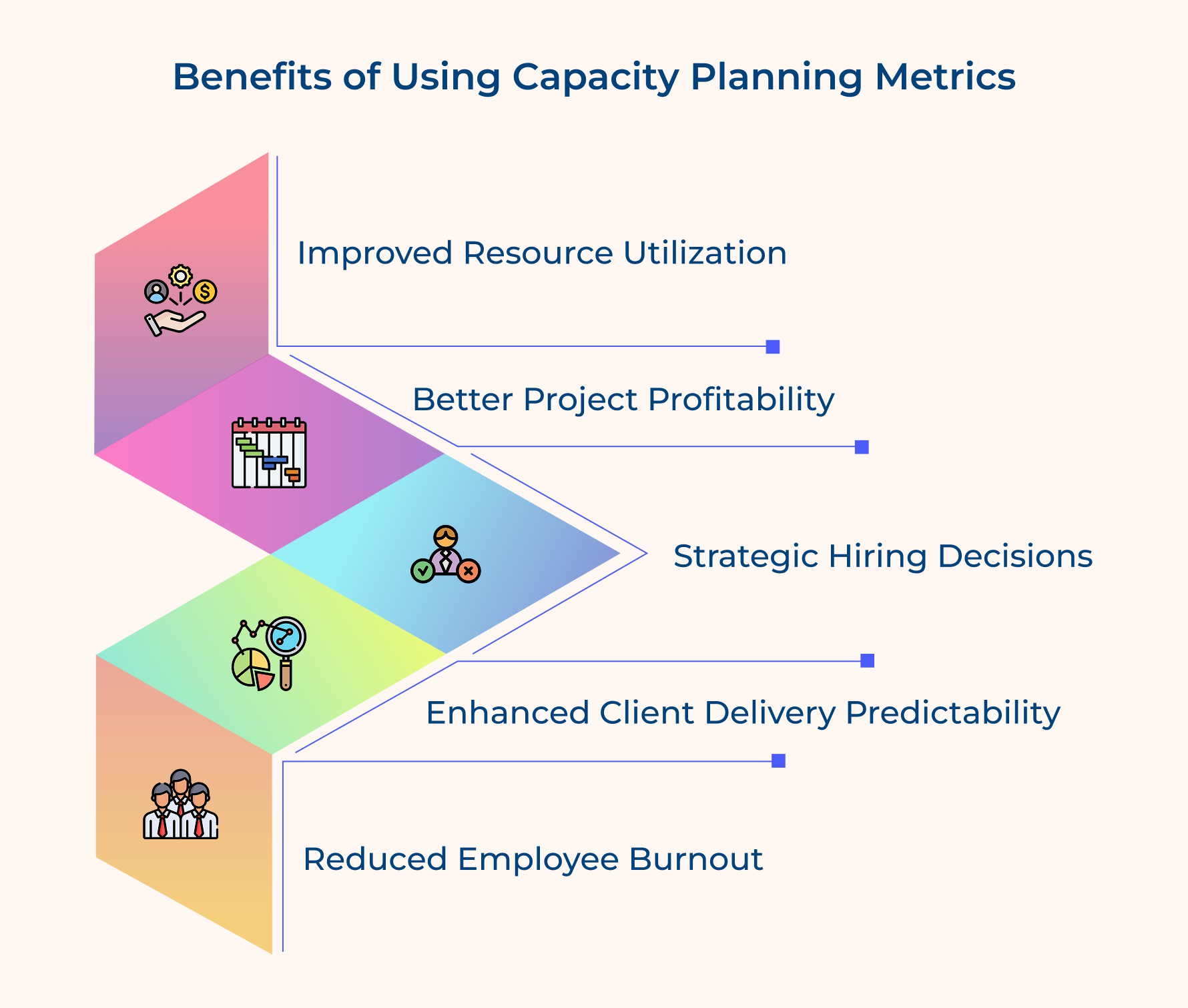
1. Improved Resource Utilization
You’ll discover exactly where your team’s time goes and eliminate the guesswork around productivity patterns within your organization. These metrics show you which resources are underutilized and help you redistribute work more effectively across your entire team for maximum efficiency.
2. Better Project Profitability
You gain clear visibility into which projects drain resources versus those that generate healthy margins for sustainable business growth. This insight helps you make smarter decisions about pricing and resource allocation for future client engagements that maximize your bottom line.
3. Enhanced Client Delivery Predictability
You can commit to realistic timelines because you understand your true capacity constraints and how they impact project delivery schedules. Clients receive more accurate project estimates and experience fewer delays caused by resource conflicts or overcommitment that damages your professional reputation.
4. Strategic Hiring Decisions
You’ll know exactly when to expand your team based on actual demand patterns rather than gut feelings that often lead to mistakes. It prevents costly hiring mistakes and ensures you bring on new talent at the optimal time when you can afford them.
5. Reduced Employee Burnout
You can identify workload imbalances before they become serious problems that affect team morale and lead to expensive employee turnover. Early intervention prevents your best performers from leaving due to unsustainable work demands and stress that destroys your company culture.
13 Essential Capacity Planning Metrics for Agencies
Let’s uncover the nine essential capacity planning metrics every agency should be using to remain competitive and deliver unmatched client satisfaction.
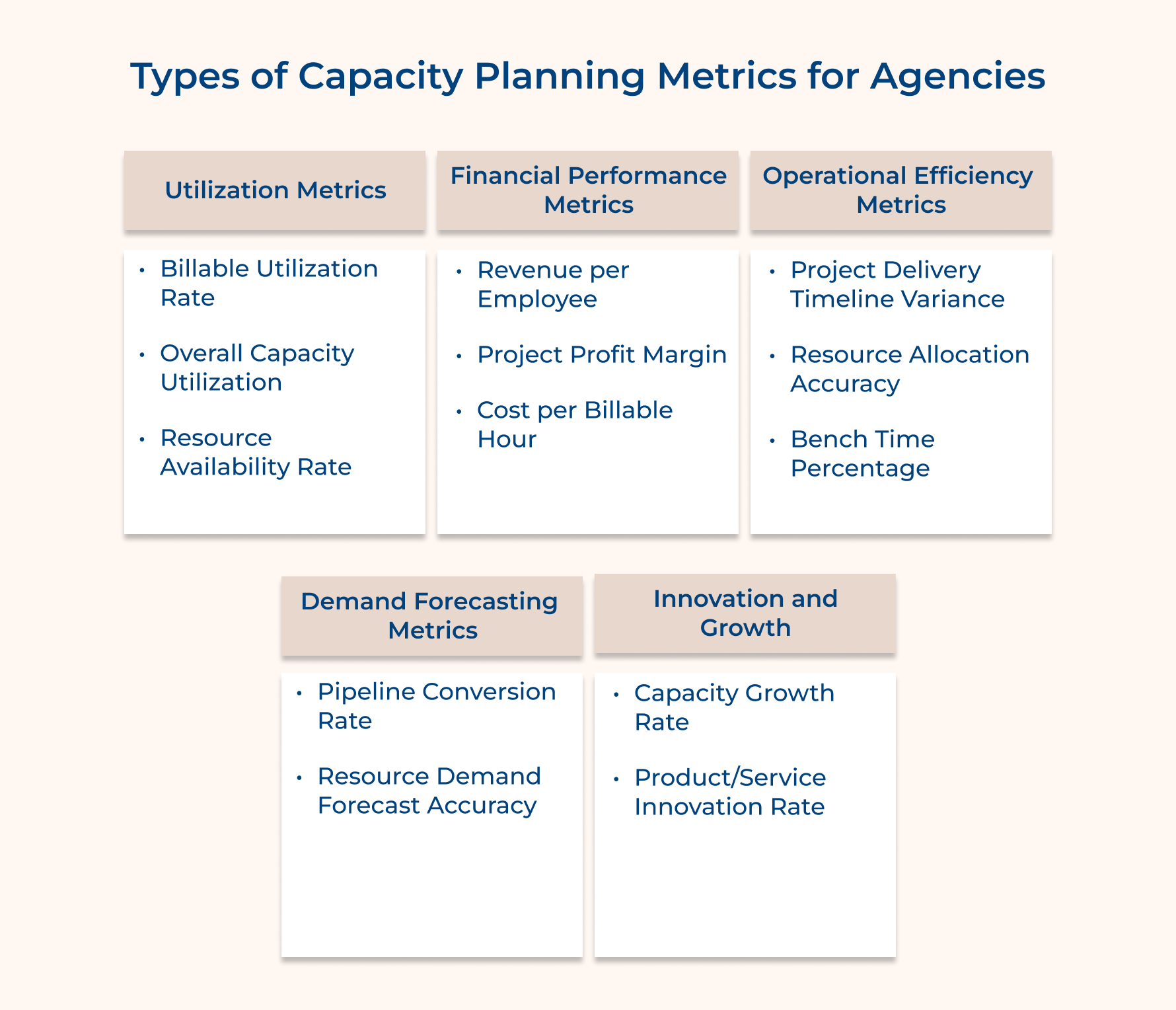
A. Utilization Metrics
These metrics measure how effectively your agency is using its most valuable resource – your people’s time and expertise. They help you understand if your team members are working at optimal capacity without burning out.
Billable Utilization Rate
Billable Utilization Rate shows how much of your team’s time goes toward client work versus internal tasks or downtime. It’s a key measure of how productive your team really is.
You calculate it by dividing billable hours by total available hours, then multiplying by 100. A strong target is 75–85%.
Want to boost it? Cut down on admin work and smooth out project handoffs. For example, a marketing agency found their senior designers logged 32 billable hours out of 40, hitting an 80% utilization rate last month.
Overall Capacity Utilization
Overall Resource Utilization measures how well you’re using all your resources—not just your people, but tools, equipment, and even workspace.
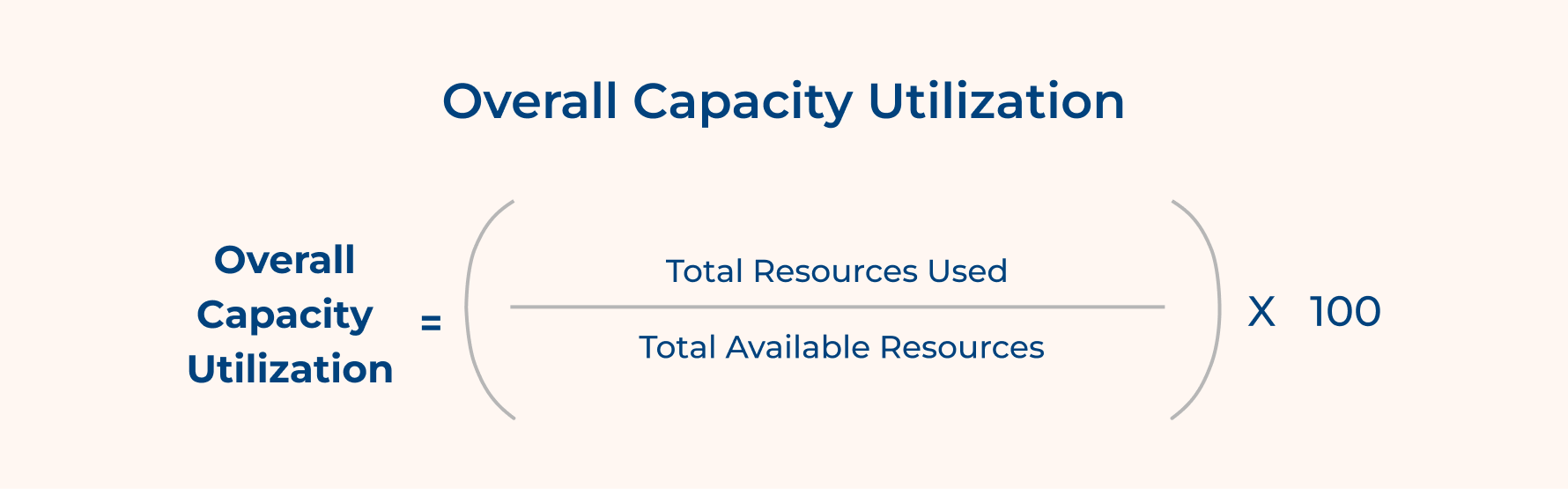
While 70–90% is a common benchmark, going too high leaves no room for flexibility. You need buffer capacity for last-minute requests or surprises.
Want to improve? Streamline workflows to avoid bottlenecks, and cross-train your team so they can jump in where needed. Avoid waste and burnout while consistently delivering quality work to happy clients.
Resource Availability Rate
Resource Availability shows how much of your team is free to take on new work—not tied up in ongoing projects or on leave.
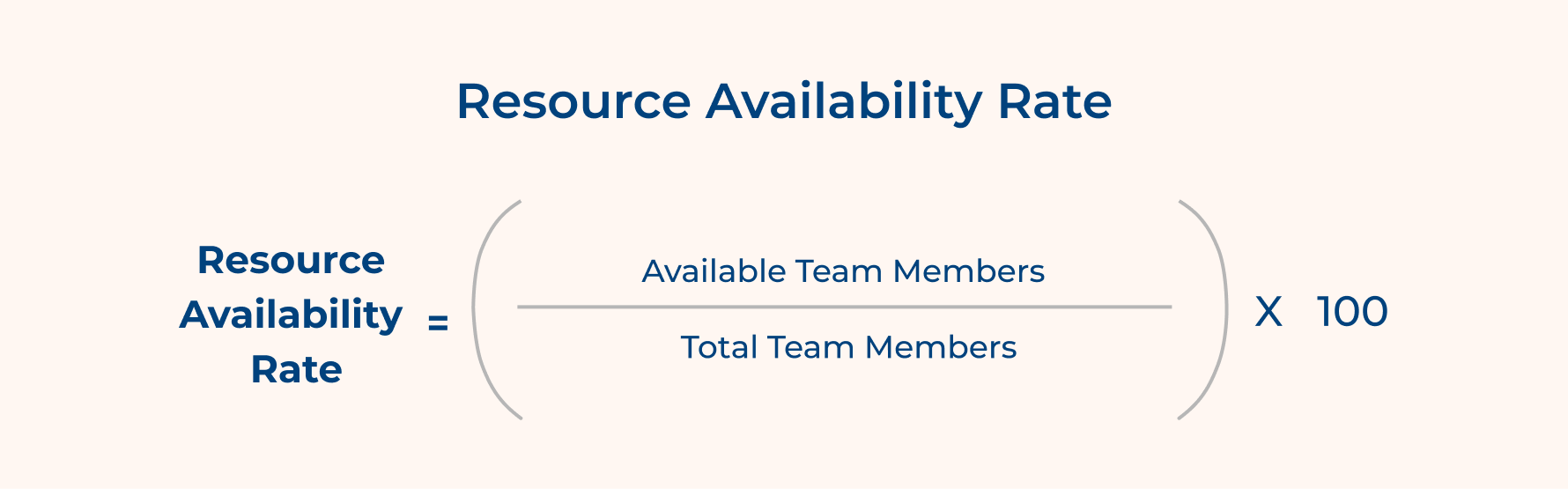
It helps you plan your pipeline realistically and spot when to hire before things get stretched too thin. A healthy range? Around 15–25%. That buffer keeps quality high and your team from burning out.
Improve this rate by focusing on tighter project scoping and build timelines that factor in revisions as well as delays because projects rarely go exactly as planned.
B. Financial Performance Metrics
These metrics translate your resource allocation decisions into monetary terms, showing you the direct financial impact of how well you’re managing your agency’s capacity.
Revenue per Employee
Revenue per Employee shows how much revenue each team member brings in, making it a core metric for productivity and growth planning.
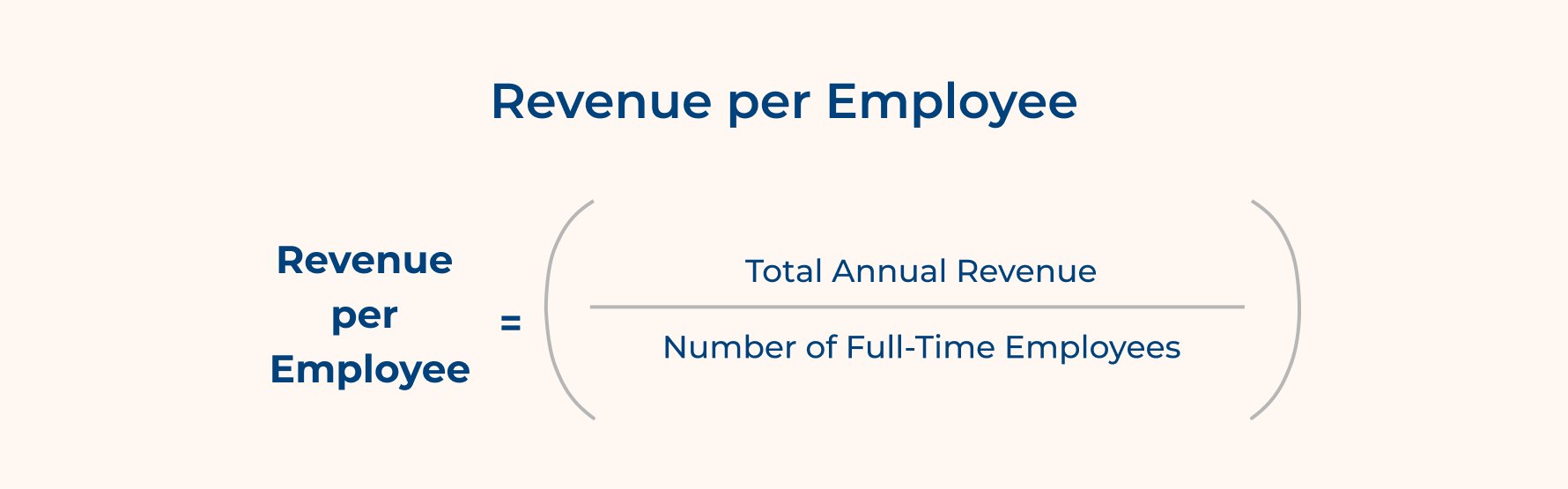
Most service firms aim for $150K–$300K per employee, with consulting often on the higher end. This helps you gauge if your team size supports profit goals or needs adjusting.
Focus on high-value services that justify premium pricing, and build long-term client relationships that value your expertise. The right mix drives revenue and sustainability.
Project Profit Margin
Project Profit Margin shows how much profit each project actually brings in after covering all costs. It is not just revenue, but true profitability.
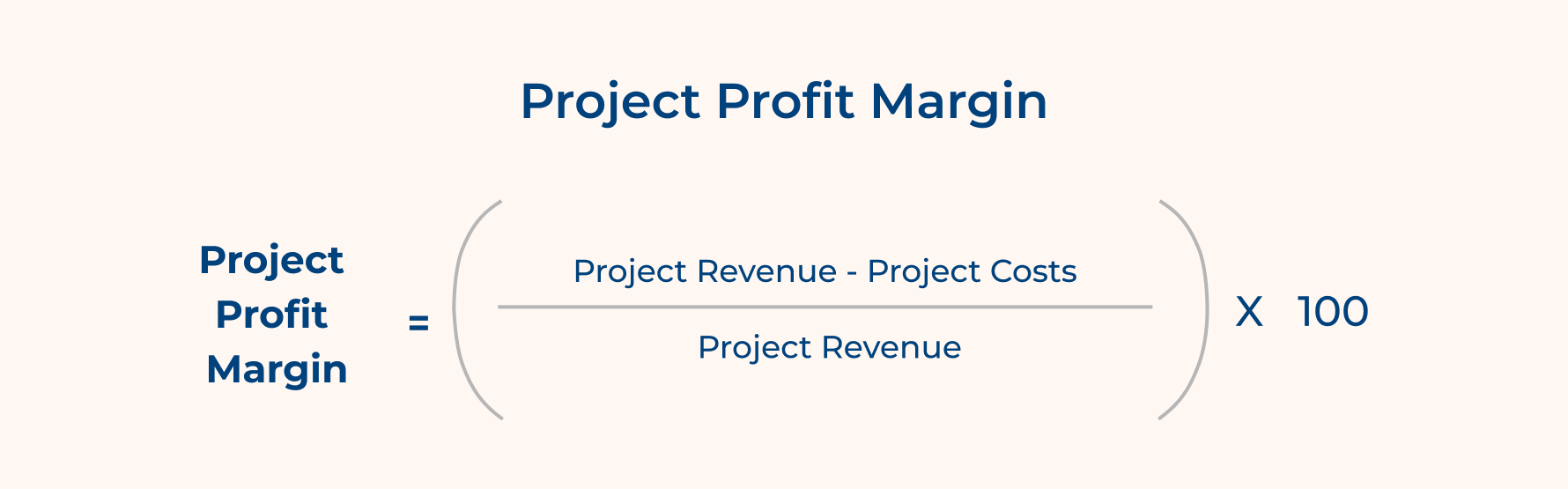
To get it right, ask yourself:
- Are you tracking all direct costs i.e. labor, tools, vendors, etc?
- Are you including overhead?
- What about scope creep or missed opportunity costs when senior staff do low-value tasks?
Most successful agencies hit 20–40% margins. Tech firms often land around 25–35%, while creative shops typically see 15–30%. Accurate margins lead to smarter pricing and better capacity planning.
Cost per Billable Hour
Cost per Billable Hour tells you how much it actually costs to deliver one hour of client work and helps you set a baseline for profitable pricing.

In most service firms, this cost ranges from $50 to $150. High isn’t bad—as long as your rates reflect it. Underpricing leads to tight margins and limits your ability to grow.
What can you do to lower costs?
- Automate admin work
- Renegotiate vendor contracts
- Explore flexible workspaces.
Example: A consulting firm with $500K in expenses and 4,000 billable hours needs to charge at least $312/hour.
C. Operational Efficiency Metrics
These metrics focus on how smoothly your agency’s processes and workflows are running, measuring the speed, quality as well as consistency of your service delivery.
Project Delivery Timeline Variance
Project Delivery Timeline Variance shows how well your team sticks to planned schedules—and where things might be going off track.
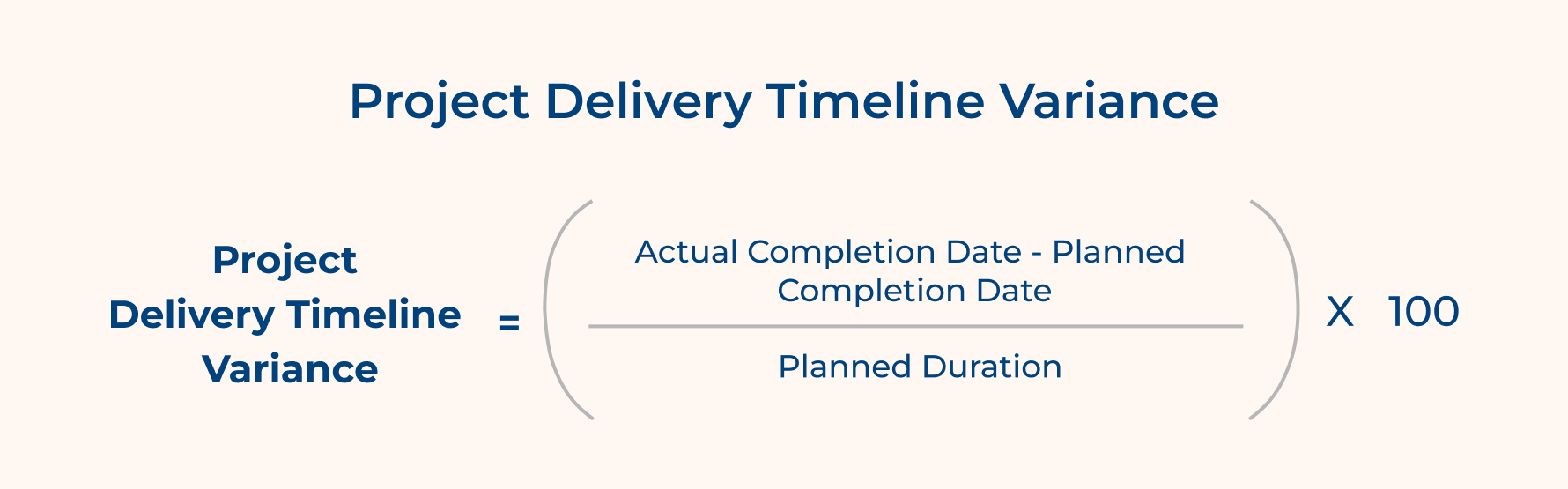
Consistently missing deadlines usually means your estimates are off, or there are workflow bottlenecks slowing things down.
Scope creep, underestimating technical complexity, and delays in client feedback are some of the common causes.
Build in 15–20% buffer time to account for the unexpected. Be transparent with clients upfront, it helps set expectations while keeping your projects (and reputation) on track.
Resource Allocation Accuracy
Resource Allocation Accuracy measures how well you’re matching the right people to the right tasks based on their skills and availability.
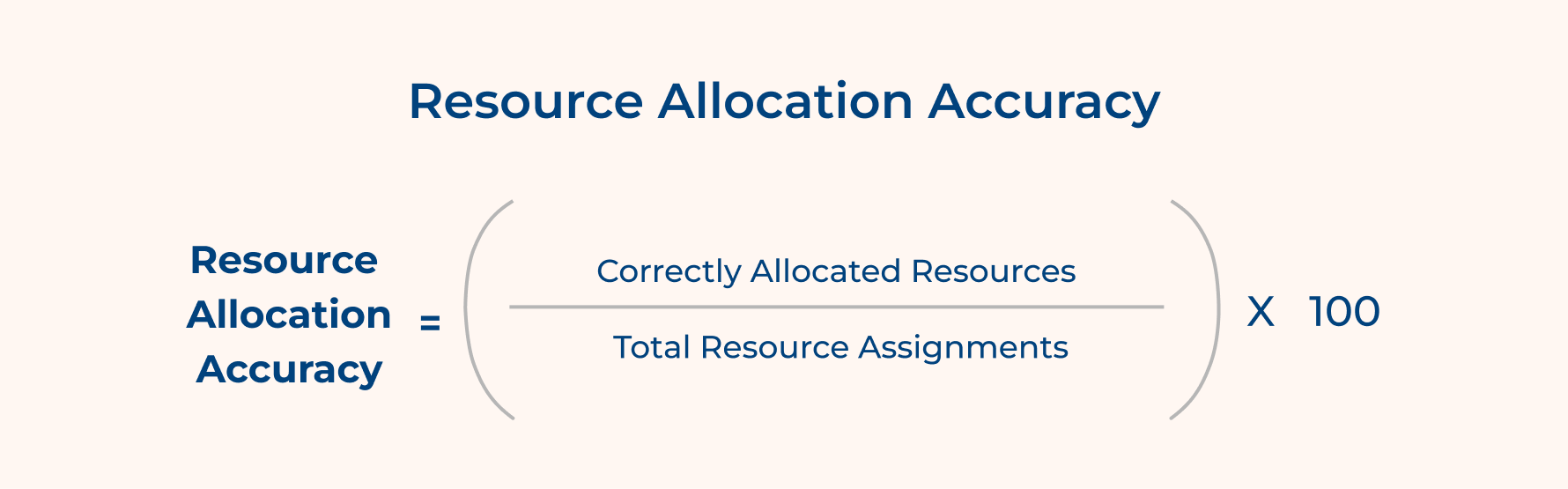
It’s critical, mismatched assignments slow projects down, inflate costs and burn out your team. Top agencies aim for 85–95% accuracy by using clear skills mapping and structured project scoping.
Ask yourself: Do you know each person’s real capabilities? Are you balancing workloads? Are you tracking which matches succeed?
To improve, keep competency profiles updated and define project needs clearly before assigning resources.
Bench Time Percentage
Bench Time Percentage tracks how much time your team spends between billable projects either waiting for work or handling internal tasks.
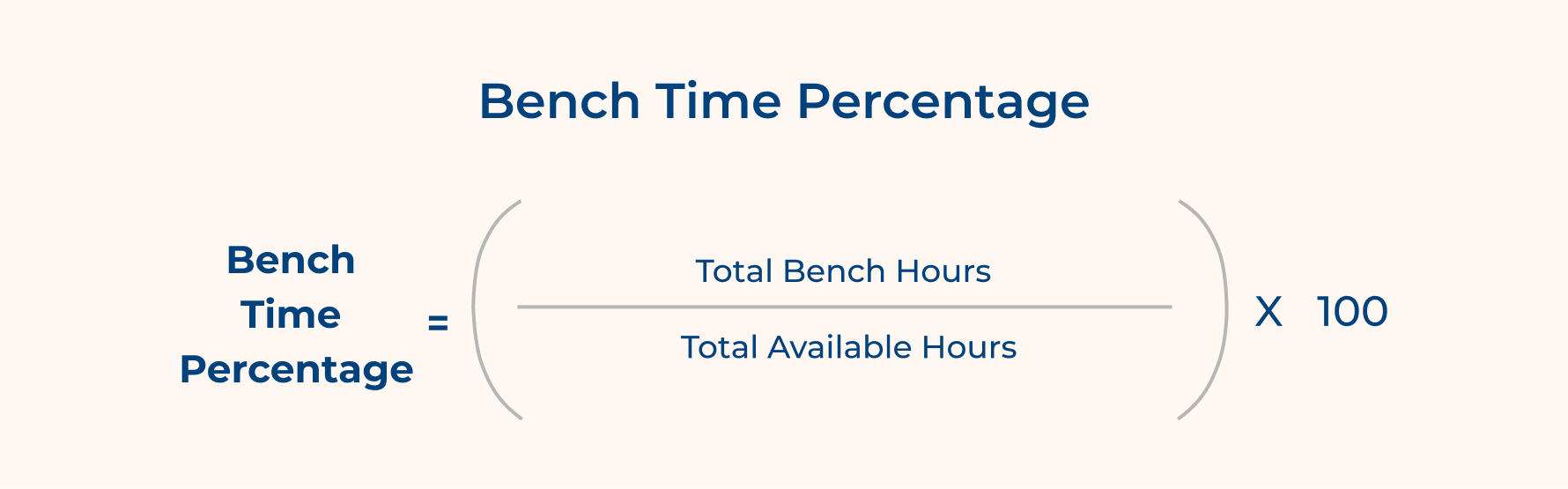
Too much bench time means missed revenue. But the right amount, used wisely, can boost long-term growth.
Bench benchmarks vary:
- Consulting: 10–15% for proposals and relationship-building
- Creative: 15–20% for skill growth and pitch prep
- Tech: 5–10% for training and internal tools
Optimize it with structured programs. Use that time to create IP, sharpen skills, and support business development.
D. Demand Forecasting Metrics
These predict future client needs and project volumes to help you plan resource allocation ahead of time. RetryClaude can make mistakes. Please double-check responses.
Pipeline Conversion Rate
This metric measures what percentage of your qualified sales opportunities actually convert into signed client contracts and helps predict future resource needs accurately. Understanding conversion patterns enables better capacity planning because you can anticipate workload fluctuations and staff accordingly.
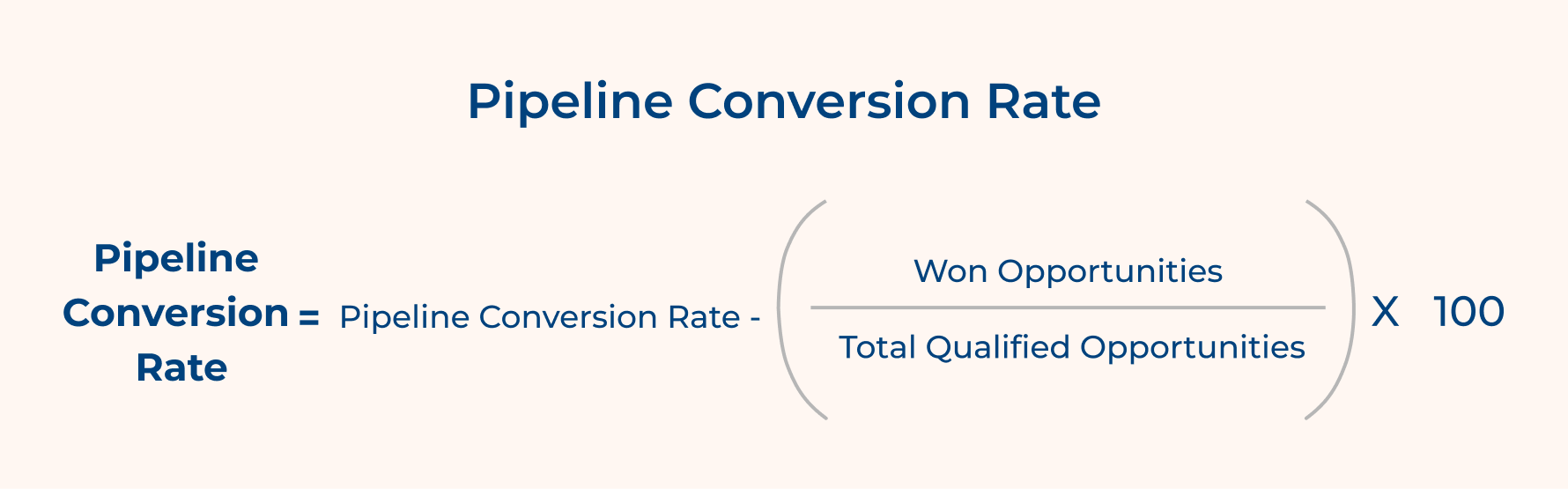
High-performing agencies achieve 25-40% conversion rates on qualified leads while average firms often struggle with 10-20% conversion rates across their sales pipeline.
Pro tips: Develop compelling success stories that demonstrate your expertise and results rather than competing primarily on price or generic service promises.
Resource Demand Forecast Accuracy
This metric evaluates how precisely you predict future resource requirements by comparing projected staffing needs against actual utilization patterns. Accurate forecasting prevents both understaffing crises and expensive overstaffing scenarios that hurt profitability.
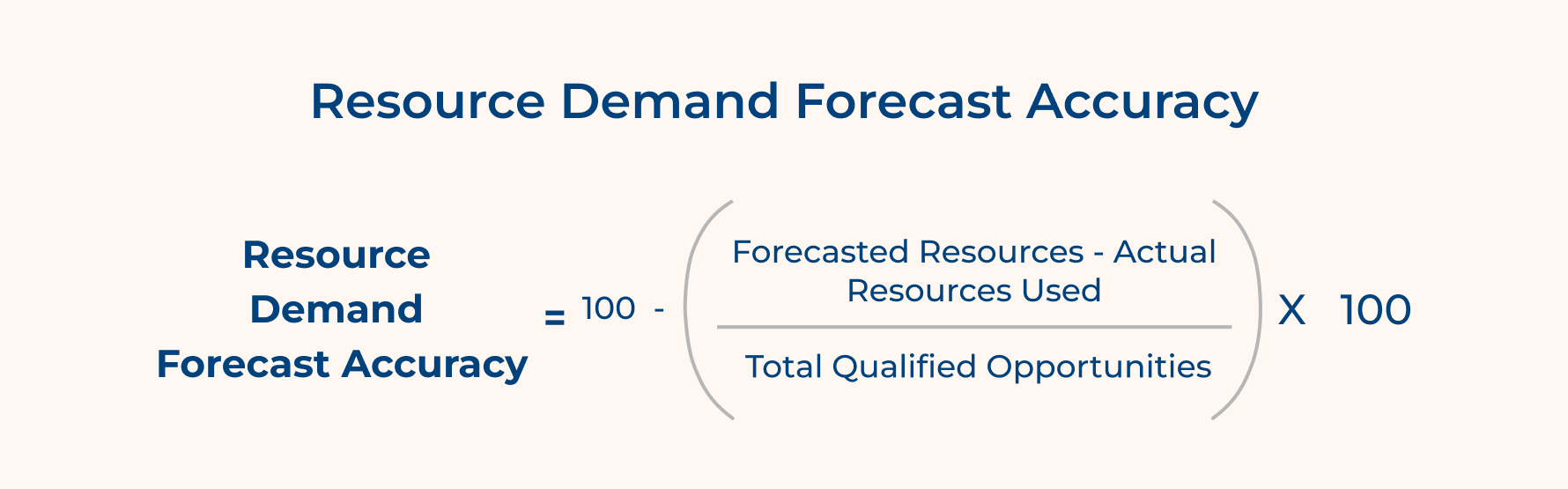
Leading professional services firms achieve 80-90% forecast accuracy through systematic data analysis and historical pattern recognition across multiple project cycles.
Best practices: Update resource predictions monthly based on pipeline changes and actual project performance rather than relying on annual estimates alone.
E. Innovation and Growth Metrics
Innovation and growth metrics help agencies understand how effectively they’re expanding their capabilities while also evolving their service offerings. These forward-looking indicators reveal whether your firm is building sustainable competitive advantages for long-term success.
Capacity Growth Rate
This metric tracks how quickly your agency is expanding its ability to serve more clients and take on larger projects over time. You need this measurement because stagnant capacity limits revenue growth and prevents you from capitalizing on market opportunities that could transform your business.
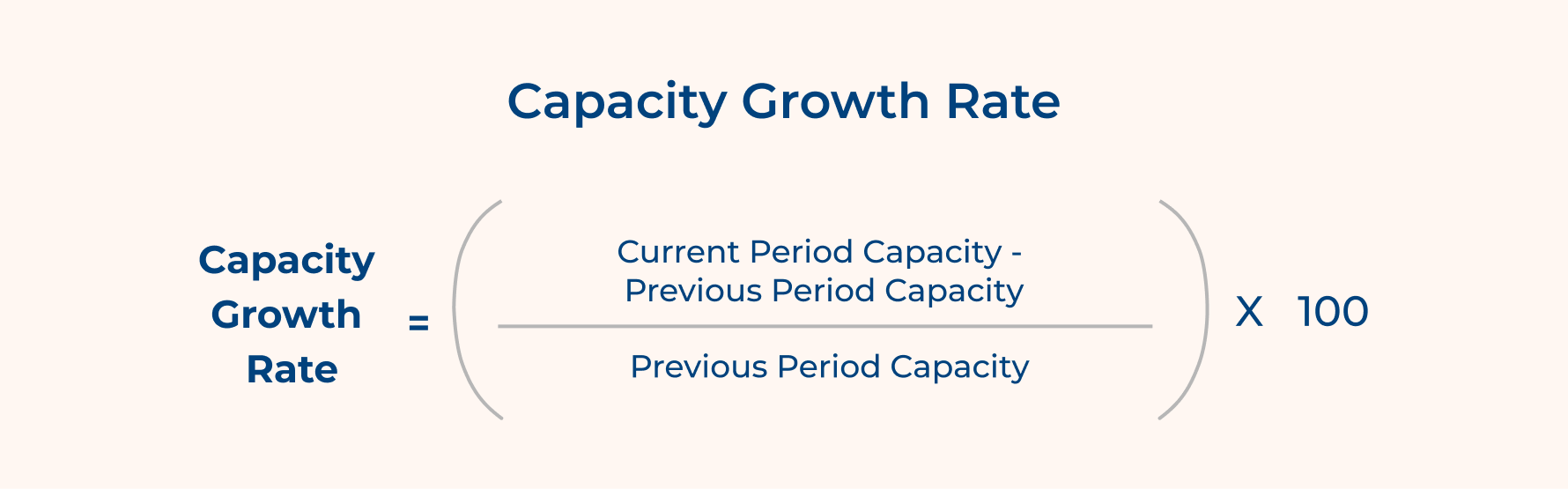
How can you accelerate capacity growth without sacrificing quality? The secret lies in investing strategically in both people and processes that multiply your existing team’s effectiveness. Focus on hiring specialists who complement your current skills rather than duplicating existing capabilities.
Product/Service Innovation Rate
This metric measures how frequently your agency develops new service offerings or significantly improves existing ones to meet evolving client needs. Innovation rate becomes essential because markets change rapidly and clients expect fresh solutions that address their emerging challenges as well as competitive pressures.
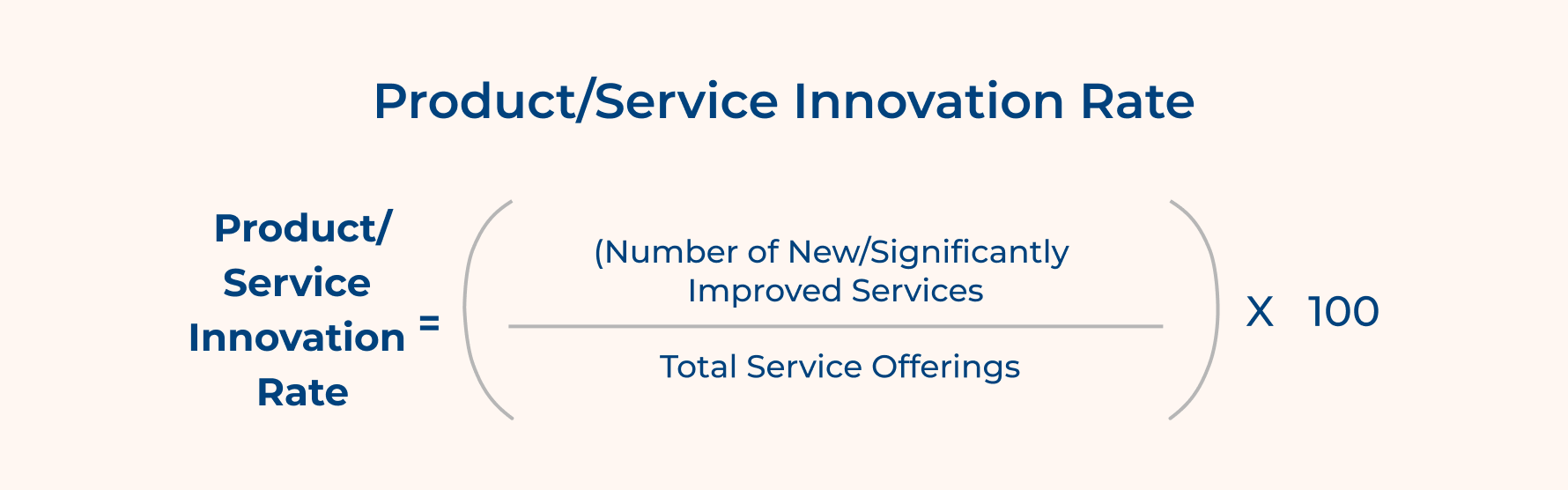
Leading agencies introduce 2-4 significant service innovations annually, representing roughly 20-30% of their total service portfolio to maintain market relevance and competitive differentiation.
6 Best Practices for Collecting and Analyzing Capacity Planning Metrics
Getting meaningful insights from your capacity planning metrics requires more than just tracking numbers. Let’s explore the proven practices that turn raw data into actionable business intelligence.
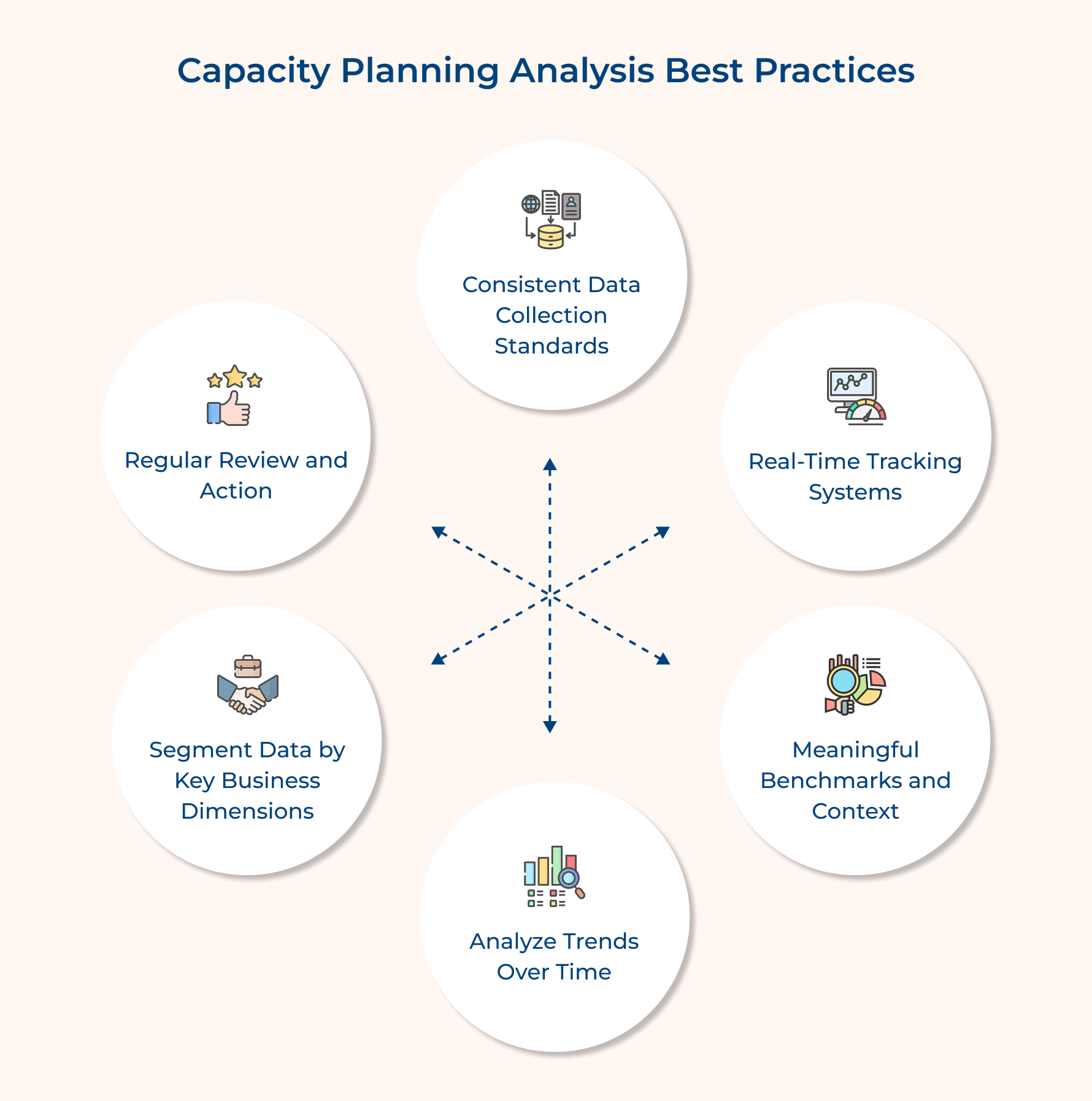
1. Establish Consistent Data Collection Standards
Your metrics are only as good as the data behind them. If one team logs hours in detail and another is guessing at the end of the week, you’re not getting a clear picture.
Create simple, consistent rules for time tracking, activity tagging, and project updates across all departments.
2. Implement Real-Time Tracking Systems
Manual logs or once-a-week entries create gaps. Real-time tracking tools help you spot issues as they happen like checking a fuel gauge, not guessing how far you’ve driven.
They give immediate visibility into bottlenecks so you can adjust workloads before delays impact delivery or budgets spiral out of control.
3. Create Meaningful Benchmarks and Context
A utilization rate of 75%, is that good? It depends. Without benchmarks or context, raw data can be misleading. Compare against industry standards, your own historical trends, and internal targets.
Ask how seasonality affects us? Which metrics tie closely to project success and client satisfaction? Context helps you turn data into smarter decisions.
4. Analyze Patterns and Trends Over Time
One bad month might be a fluke. But repeated low performance in Q1? That’s a pattern. Track metrics month-to-month to uncover deeper issues like unrealistic scoping, seasonal dips, or chronic under-resourcing.
For example, if January always lags, maybe it’s not your team—it’s the market. This kind of insight supports stronger scenario planning.
5. Segment Data by Key Business Dimensions
Looking at agency-wide averages hides what’s really going on. Break down your metrics by client type, project size, team, or service.
You may find that smaller clients cause more delays, or one team consistently outperforms others. This clarity helps you tailor hiring, training, and sales strategies more effectively.
6. Regular Review and Action Planning Sessions
Don’t let your reports sit untouched. Set a monthly meeting where leadership reviews key trends and creates specific action plans. Use this time to celebrate what’s working and solve what’s not.
Turn data into action that drives better delivery, happier clients and long-term project success through informed scenario planning.
Challenges Agencies Face While Tracking Capacity Planning Metrics
Even the most well-intentioned agencies encounter significant obstacles when implementing capacity planning measurement systems. Understanding these common challenges helps you prepare for and overcome the roadblocks that prevent accurate resource tracking.
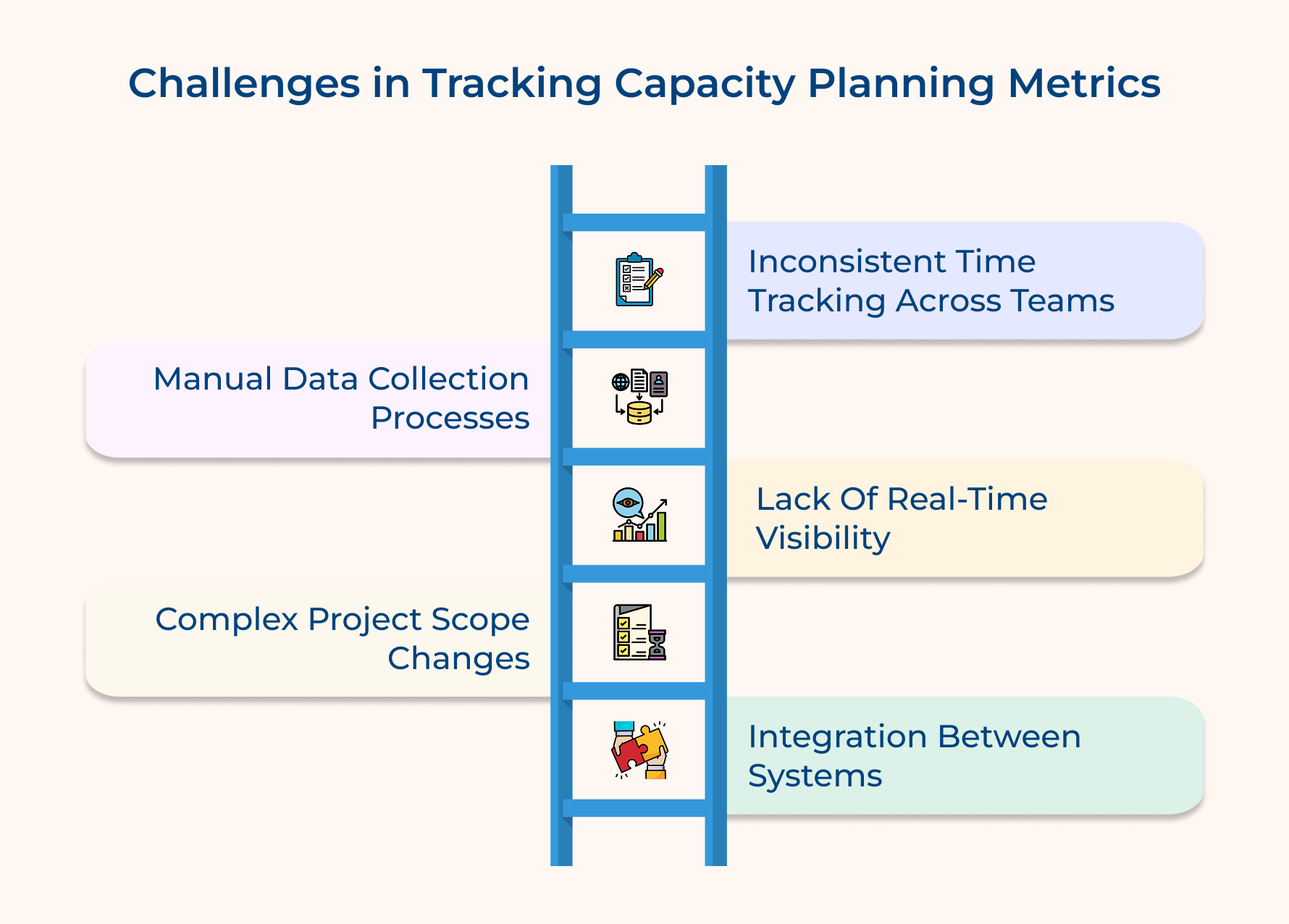
Inconsistent Time Tracking Across Teams
Some teams log time daily, others do it weekly or not at all. This inconsistency makes it nearly impossible to get a clear, accurate view of your team’s real workload and capacity.
Use a single time tracking tool across all departments with clearly defined tracking rules. It keeps your data clean and your insights reliable.
Manual Data Collection Processes
Still using spreadsheets? Manual entry is slow, error-prone, and takes valuable time away from client work. It also leads to poor decisions based on flawed data.
Automate your time tracking and project updates wherever possible. Less admin work, more accurate data.
Lack of Real-Time Visibility
If your tracking system only shows what happened last week, you’re always reacting late. Without a live view of who’s booked and who’s free, you can’t shift resources when priorities change.
Set up real-time dashboards so you always know your team’s availability and can reallocate quickly when needed.
Complex Project Scope Changes
Clients often request changes mid-project, which shifts timelines and resourcing needs. But many systems don’t adjust for that, so your utilization data gets skewed.
Build buffer time into every project scope and update estimates as things change. Expect the unexpected as well as plan for it.
Integration Problems Between Systems
When your time tracking, project management, and financial tools don’t sync, someone ends up copy-pasting between systems. That’s a recipe for errors and frustration.
Integrate your systems so data flows smoothly. No more reconciling numbers manually.
No Regular Capacity Reviews
If you’re not regularly checking in on capacity trends, it’s easy to miss early warning signs. That’s when bottlenecks, burnout, and missed deadlines sneak up on you.
Hold weekly capacity review meetings to spot issues early, adjust plans, and keep projects running smoothly.
Optimize Your Resources with Capacity Planning Metrics
Capacity planning metrics serve as your business compass, guiding professional services firms through the complex challenge of balancing resource availability with client demands. Without these measurements, agencies operate blindly, making costly decisions based on assumptions rather than data-driven insights.
These metrics transform how agencies operate by revealing utilization patterns that boost profitability, streamlining operational workflows that eliminate bottlenecks, and ensuring consistent project delivery that strengthens client relationships. Smart implementation creates sustainable growth while preventing team burnout and resource waste.
Limit time — not creativity
Everything you need for customer support, marketing & sales.

Shivank Kasera is part of the marketing team at Kooper, where he focuses on building content that helps agencies and service providers grow. With a keen interest in SaaS, operations, and scalability, he translates practical insights into actionable resources for business leaders.