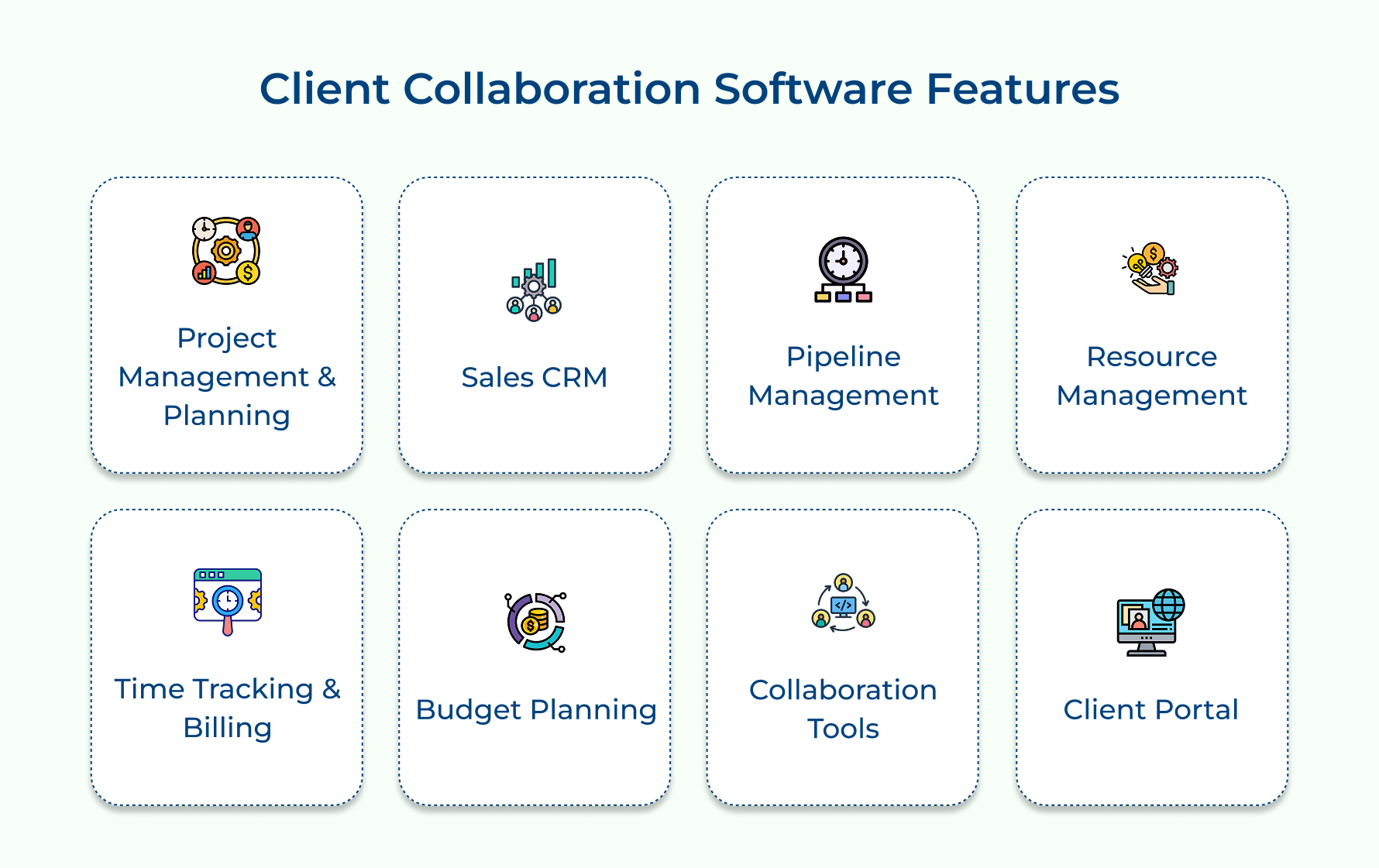
1. Project Management & Planning
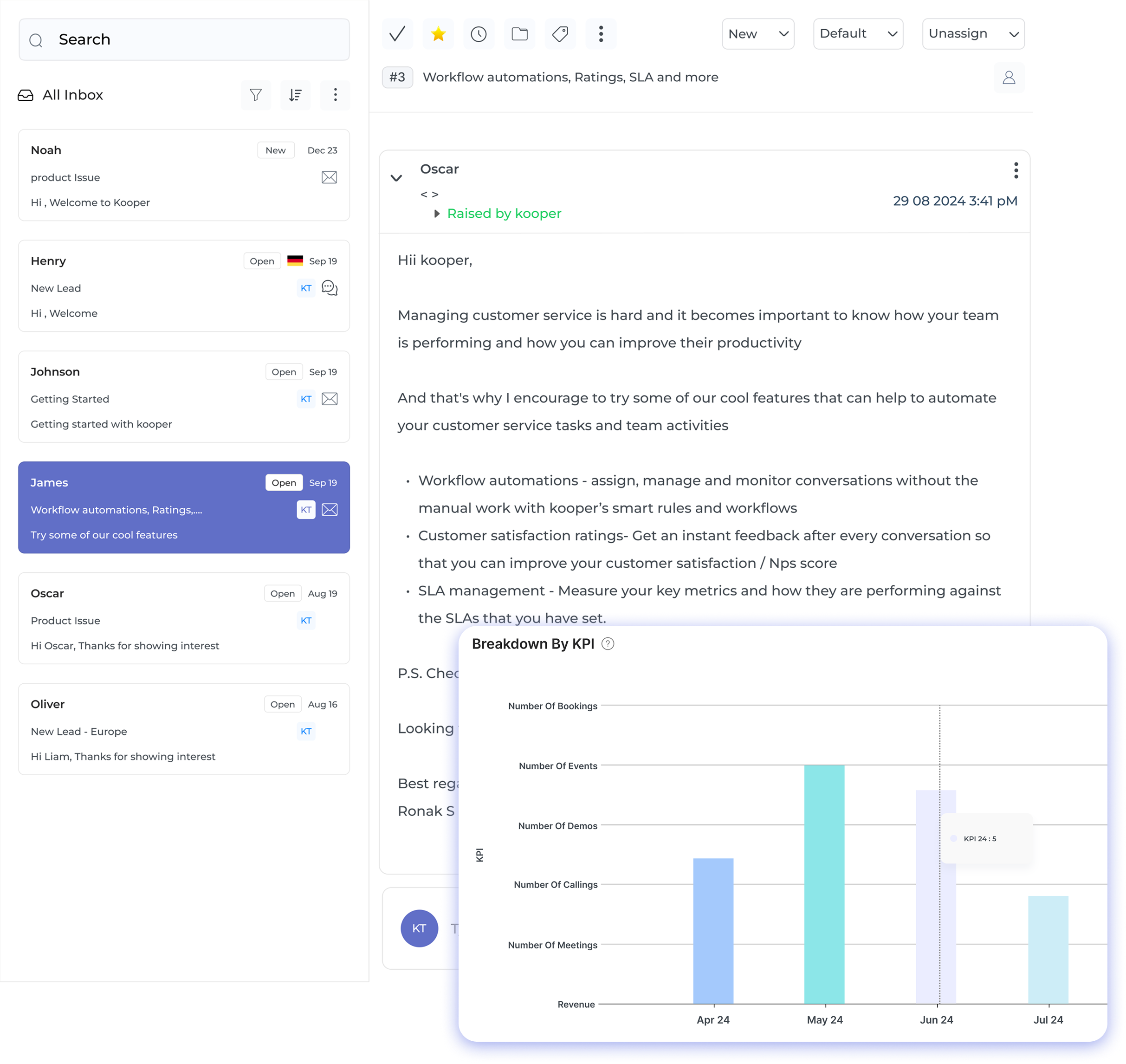
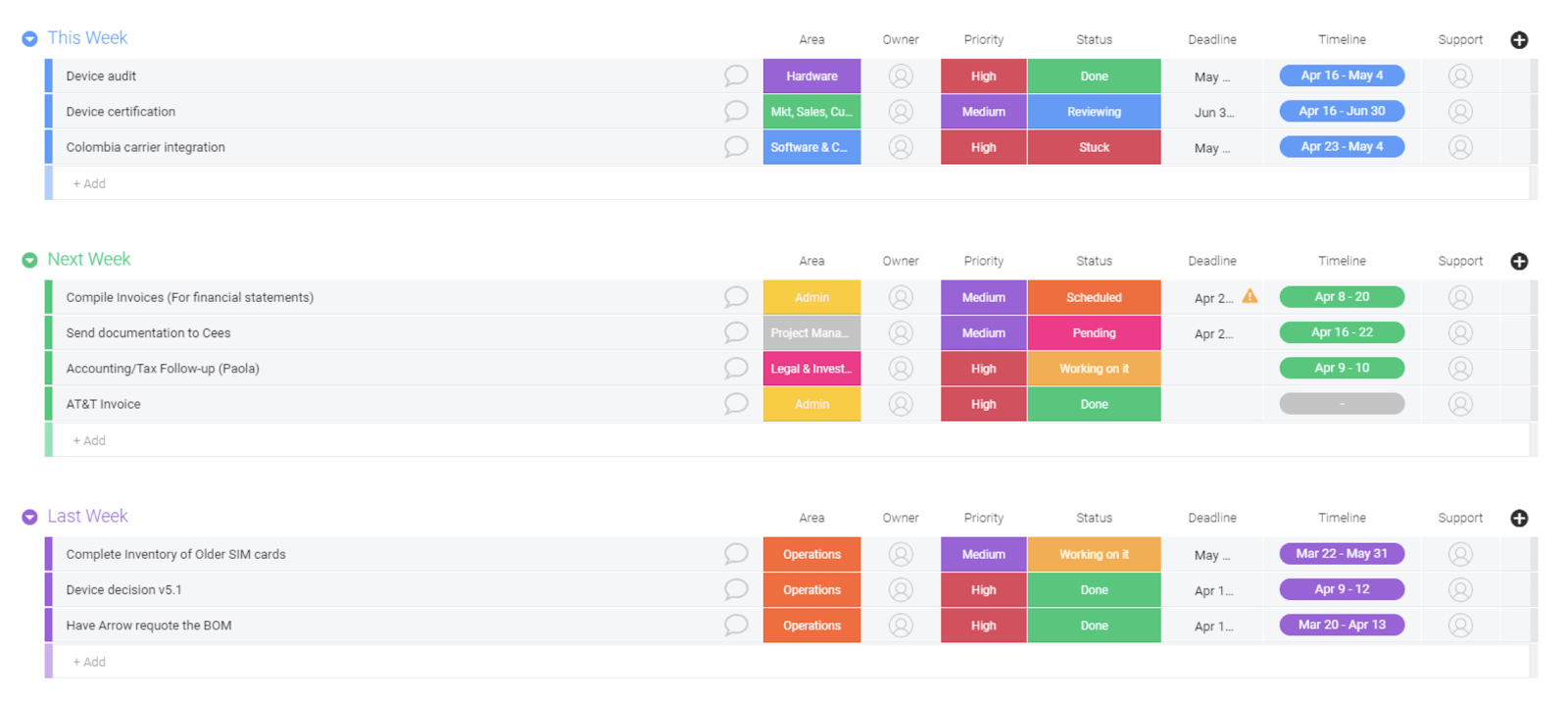
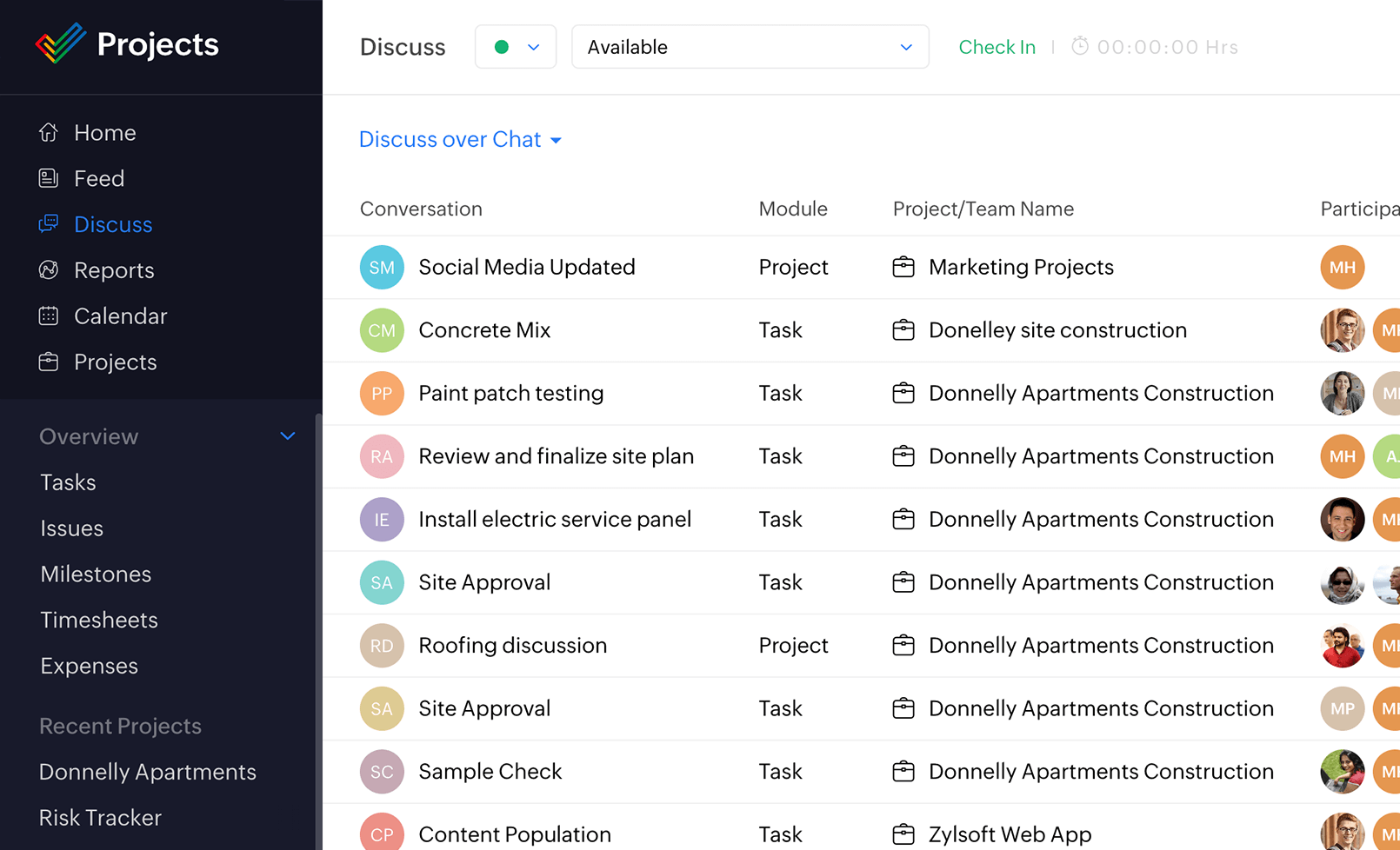
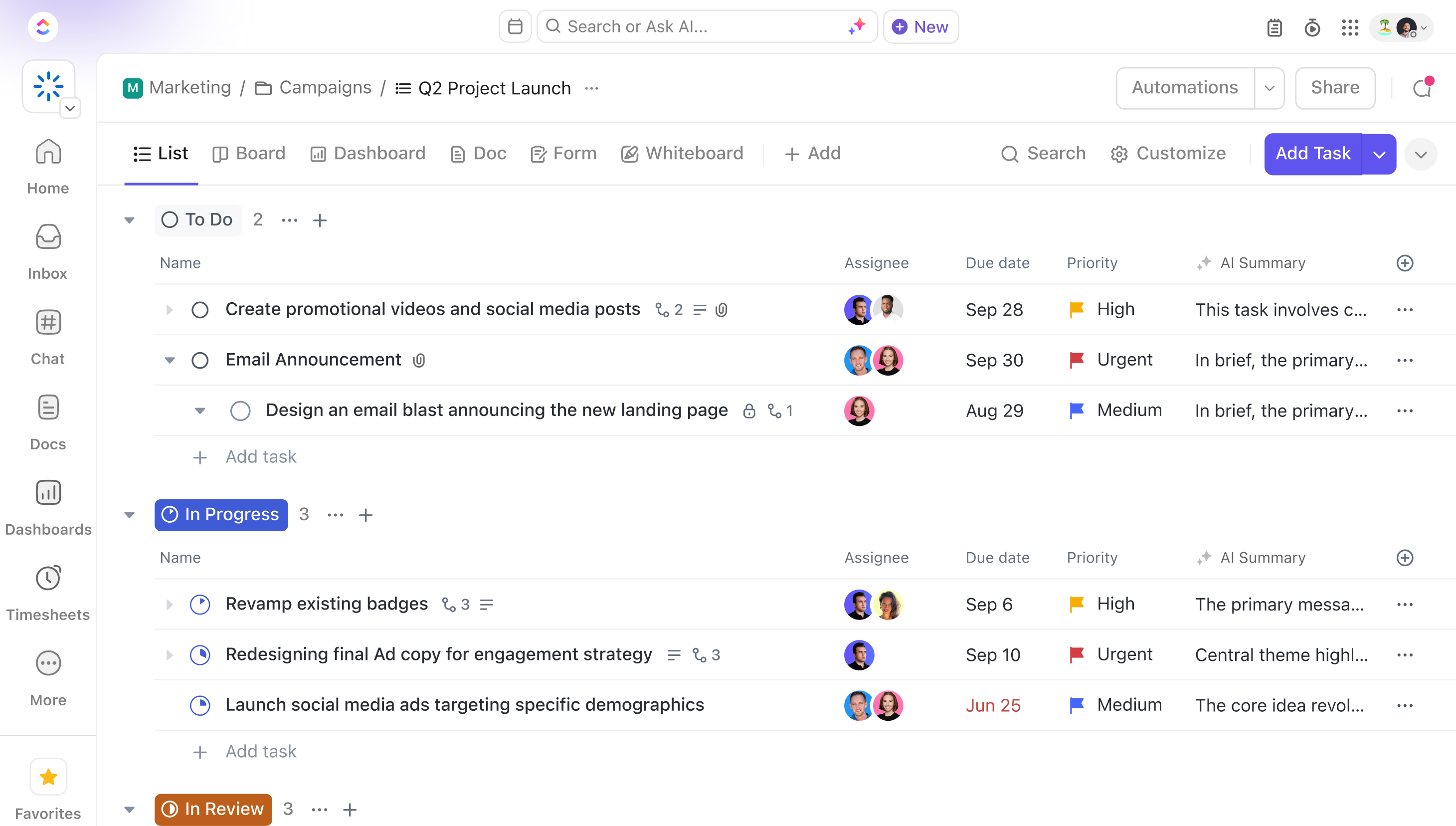
At the core of client collaboration software is robust project management functionality. With the help of project management collaboration tools, teams can easily plan, execute, and monitor projects more efficiently. It typically includes tools such as task assignment, milestone tracking, and Gantt charts. Advanced systems may offer resource allocation as well as capacity planning to ensure optimal team utilization.
2. Sales CRM
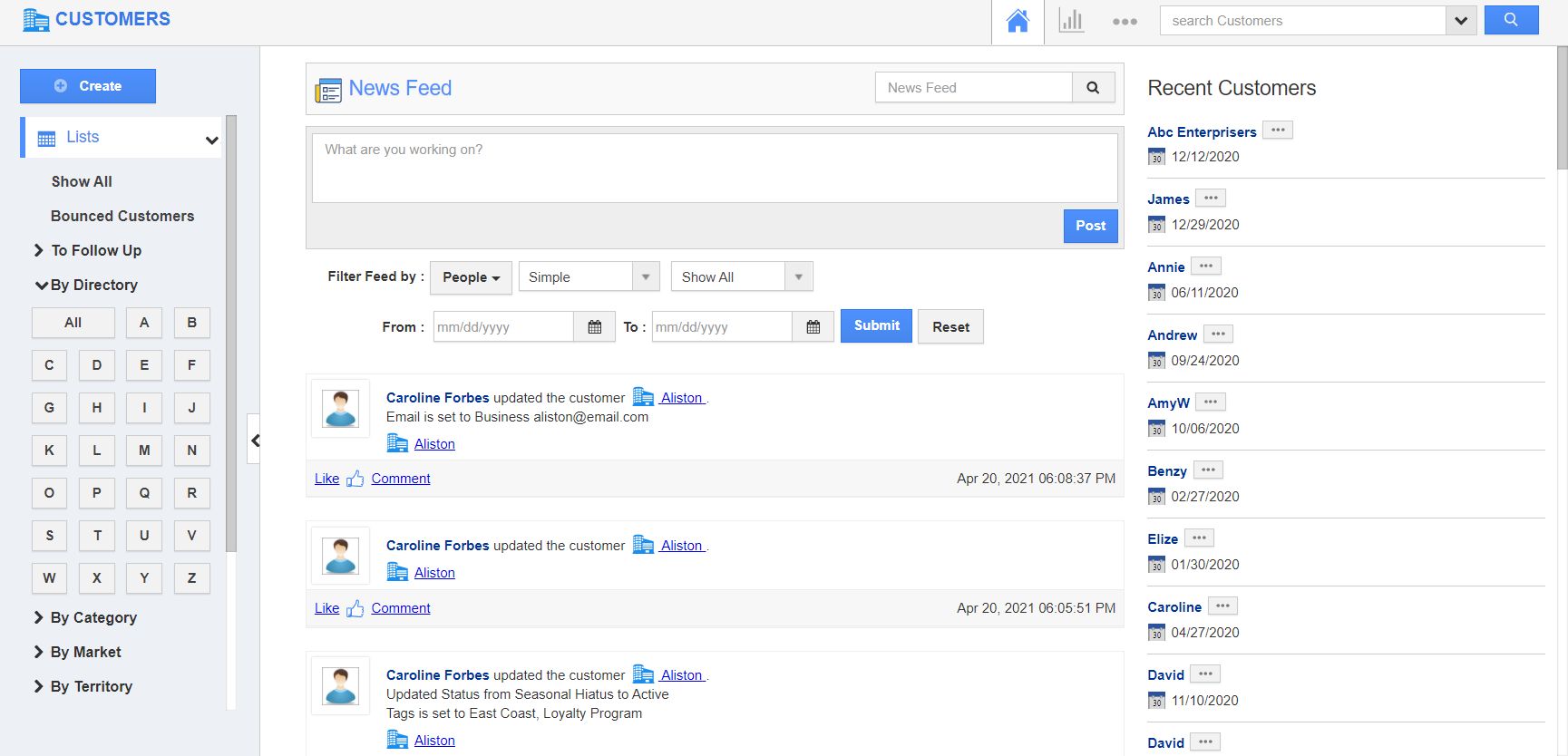
A centralized platform for managing customer relationships is essential for sales success. A robust Sales CRM enables businesses to track client interactions, maintain contact records, and oversee the sales pipeline efficiently. With email integration, teams can log communications automatically, ensuring seamless follow-ups. By aligning these efforts with the customer lifecycle, businesses can provide personalized service, uncover upselling opportunities, and drive revenue growth.
3. Pipeline Management
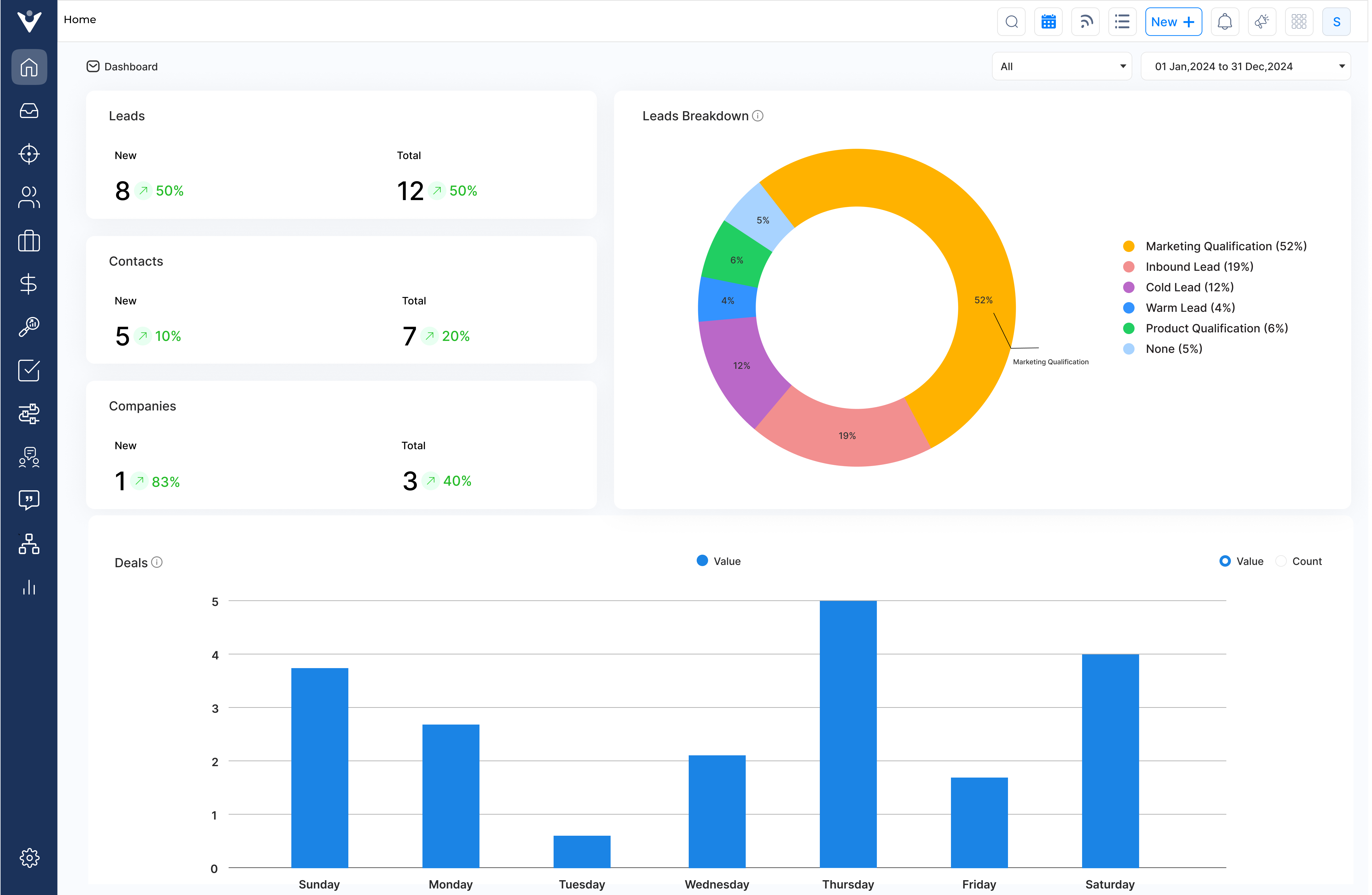
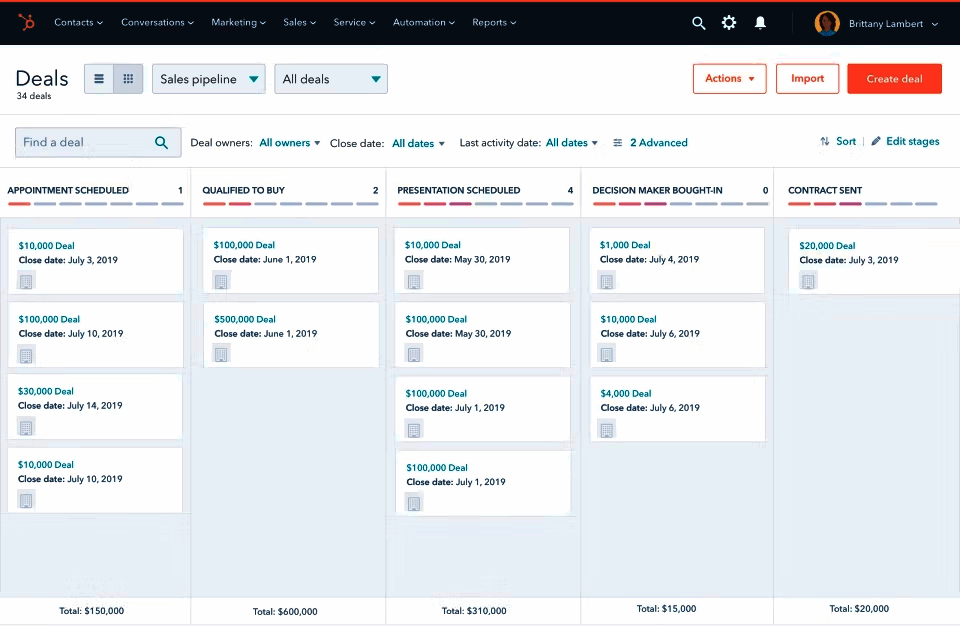
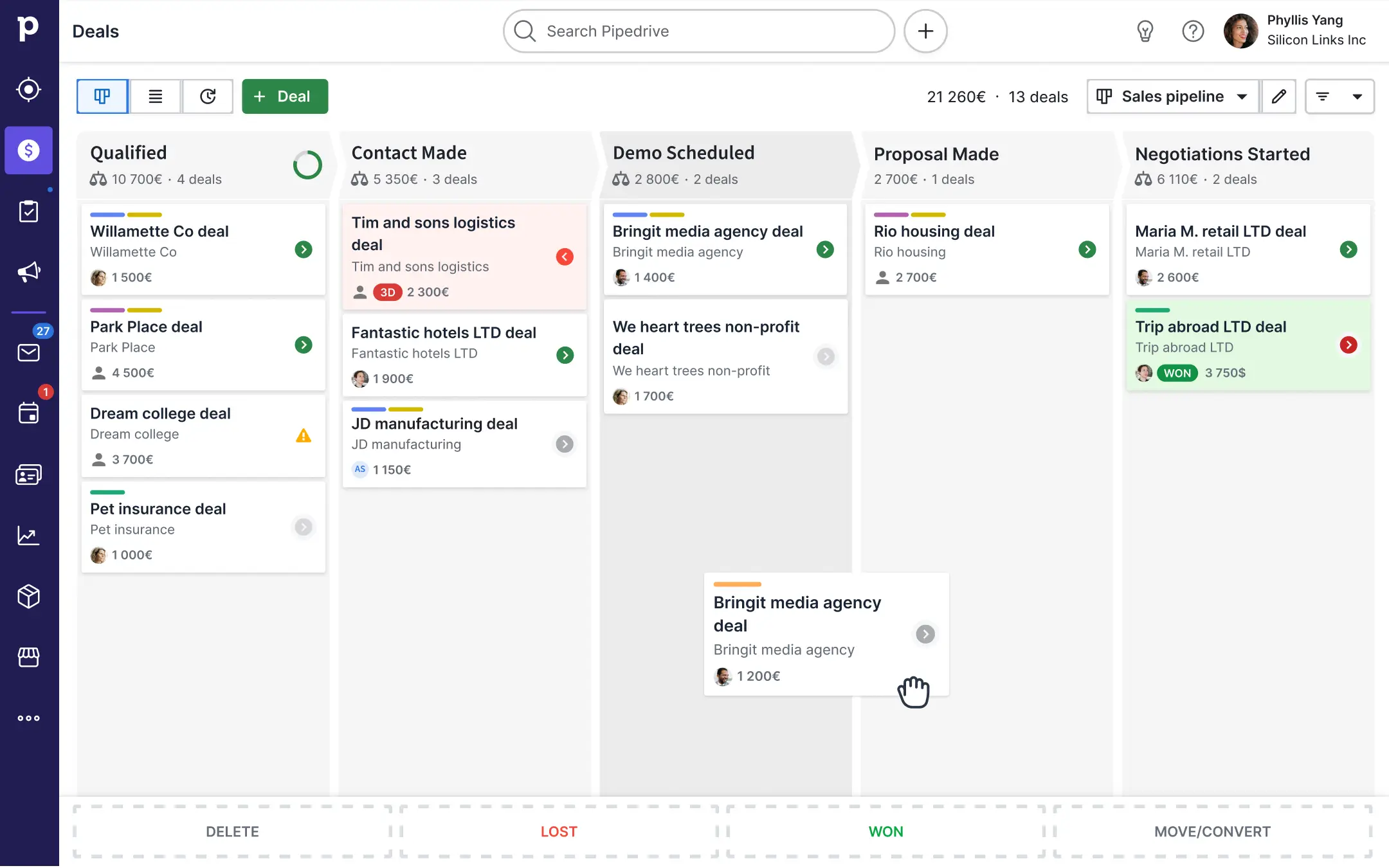
Pipeline management tools visually represent the sales process, helping businesses track leads, monitor deal progress, and forecast revenue. These tools enable project managers and marketing teams to identify conversion trends, streamline workflows as well as eliminate bottlenecks. With real-time insights into deal velocity and conversion rates, teams can refine their sales strategies while allocating resources efficiently.
4. Resource Management
For businesses handling complex projects, effective resource management is key to maintaining productivity. This feature provides managers with a comprehensive view of team availability, skill sets, and workload. By ensuring optimal staffing, companies can prevent overallocation, assign the right personnel to critical tasks, and maintain project efficiency. Advanced systems may also leverage predictive analytics to anticipate future needs, supporting long-term planning as well as hiring decisions.
5. Time Tracking & Billing
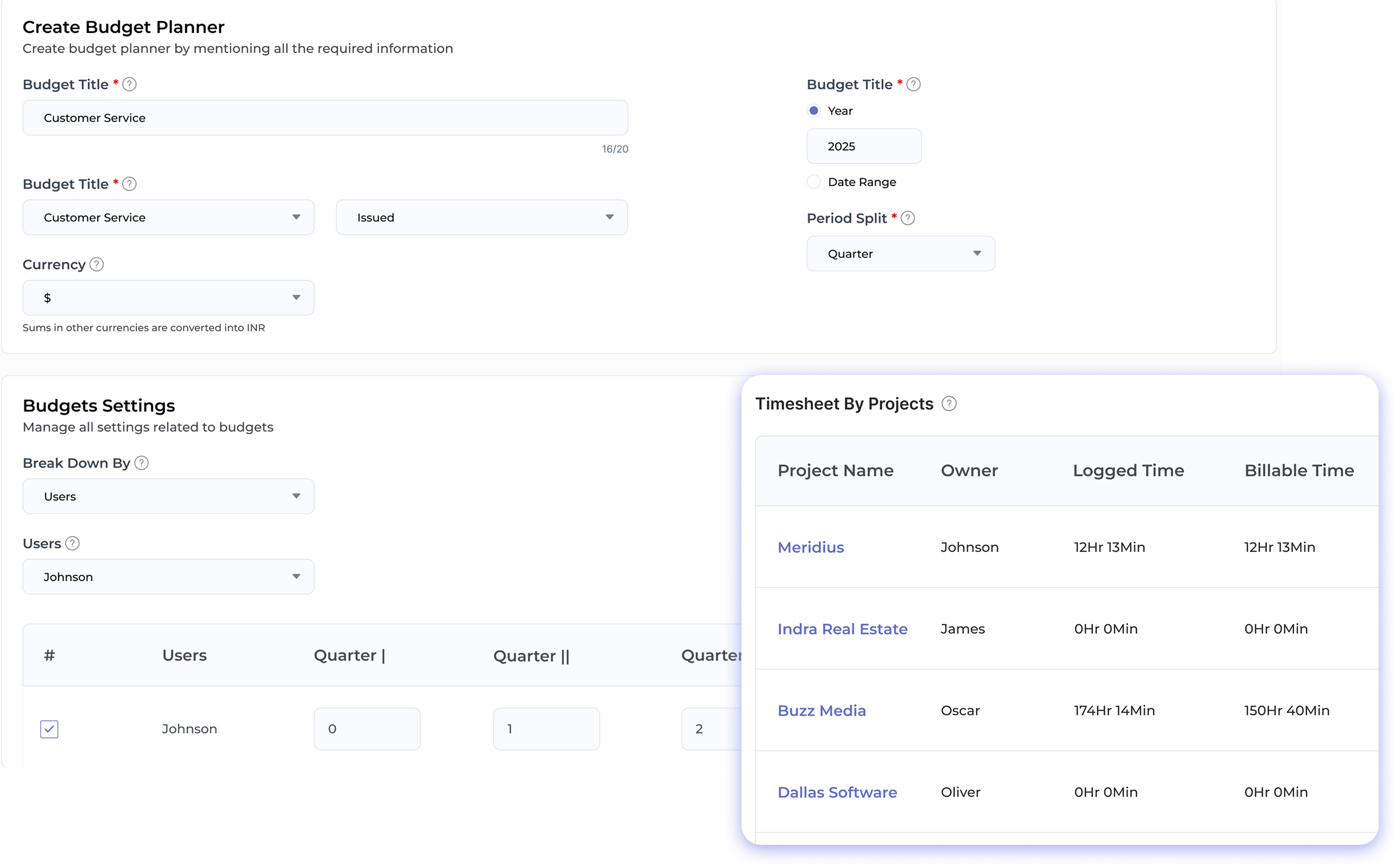
Service-based businesses find precise time tracking crucial for accurate billing. This feature allows team members to log hours effortlessly, with options to start and stop timers directly from task lists. Seamless integration with billing systems ensures that billable hours are accurately captured and invoiced. Automated invoicing based on predefined rates minimizes administrative workload, prevents revenue leakage, and keeps projects on track financially.
6. Budget Planning
Maintain financial control over complex projects, leveraging budget planning tools that enable real-time updates on expense tracking. These features help create as well as manage project budgets, monitor spending, and compare actual costs against projections. With proactive budget oversight, managers can identify potential overruns early and take corrective action, ensuring profitability as well as strategic resource allocation.
7. Collaboration Tools
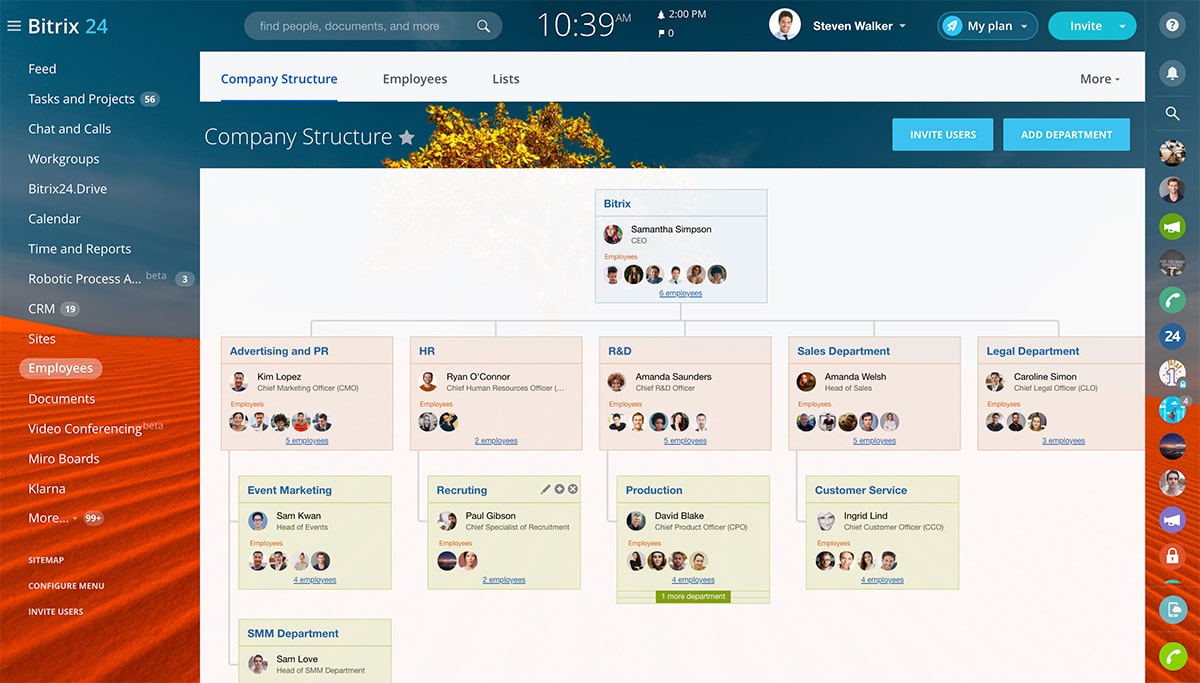
Effective remote collaboration is essential for managing modern teams and ensuring seamless workflow execution. Collaboration tools (including shared documents, discussion boards, and instant messaging) allow marketing teams as well as project managers to communicate efficiently. By centralizing discussions and reducing reliance on email, these tools improve productivity and keep everyone aligned while ensuring smooth client collaboration.
8. Client Portal
A client portal enhances transparency and client engagement by providing a secure space for communication and project oversight. Modern client portal tools for agencies allow clients to access project updates, approve deliverables, retrieve essential documents, and interact with the team in real time. Much like insights from a client management guide, this feature reduces unnecessary back-and-forth, improves client satisfaction and showcases a commitment to client-centric service delivery, ultimately setting businesses apart in competitive markets.