Business Size and Scalability
The ERP system must align with your current business size while offering scalability for future growth. Consider solutions that can accommodate increasing users, projects, and data volumes without compromising performance or requiring significant restructuring.
Industry-specific Functionality
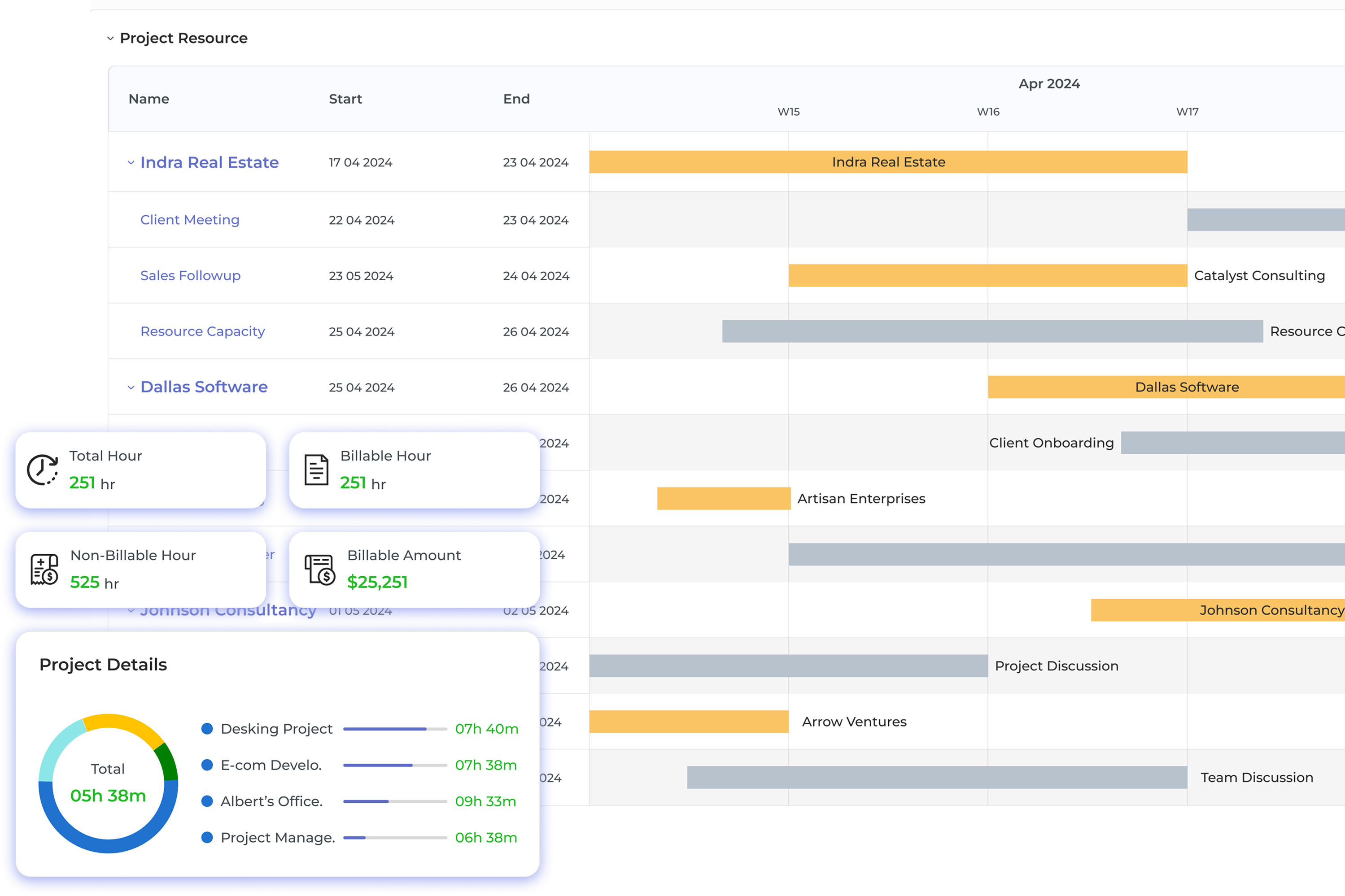
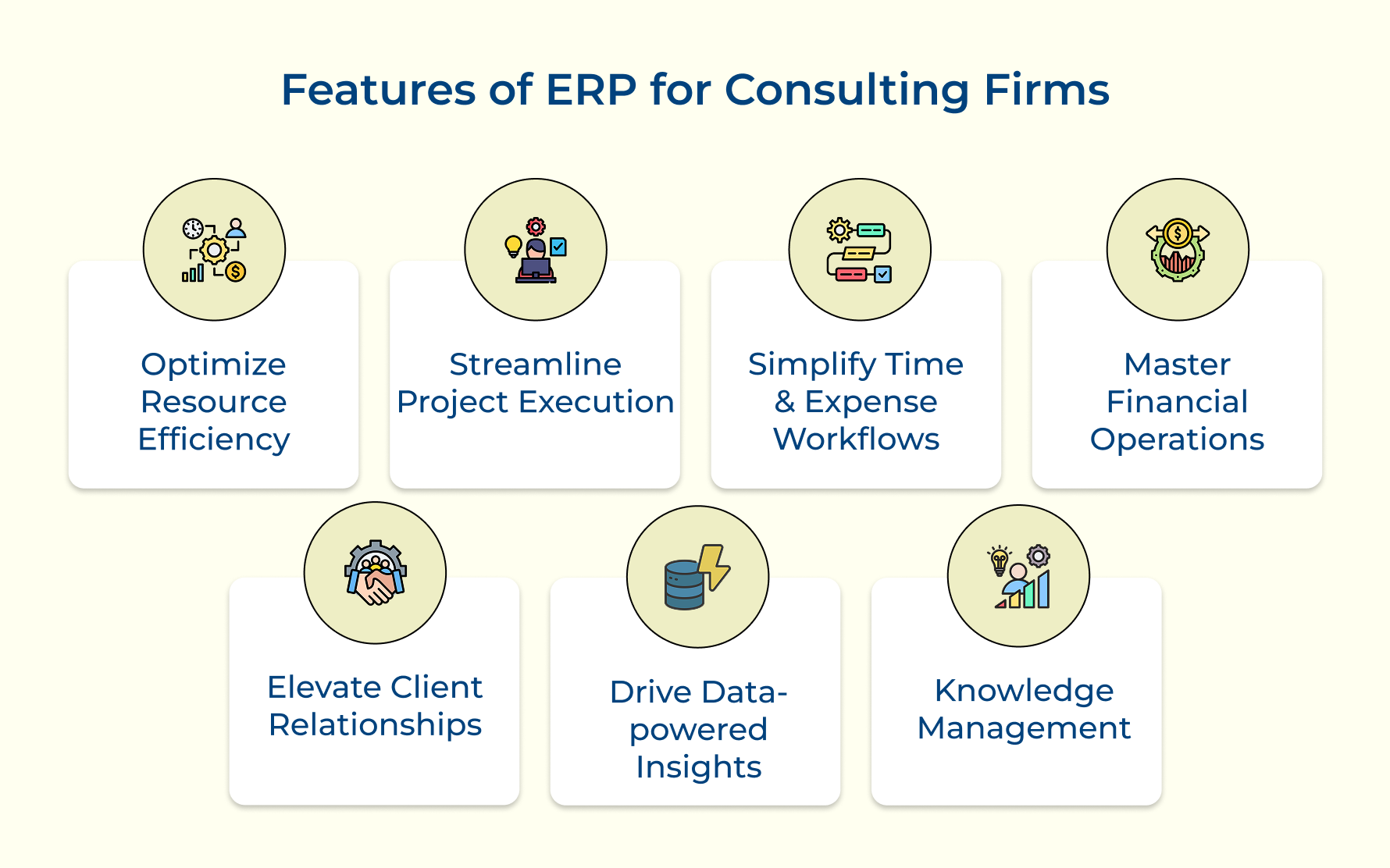
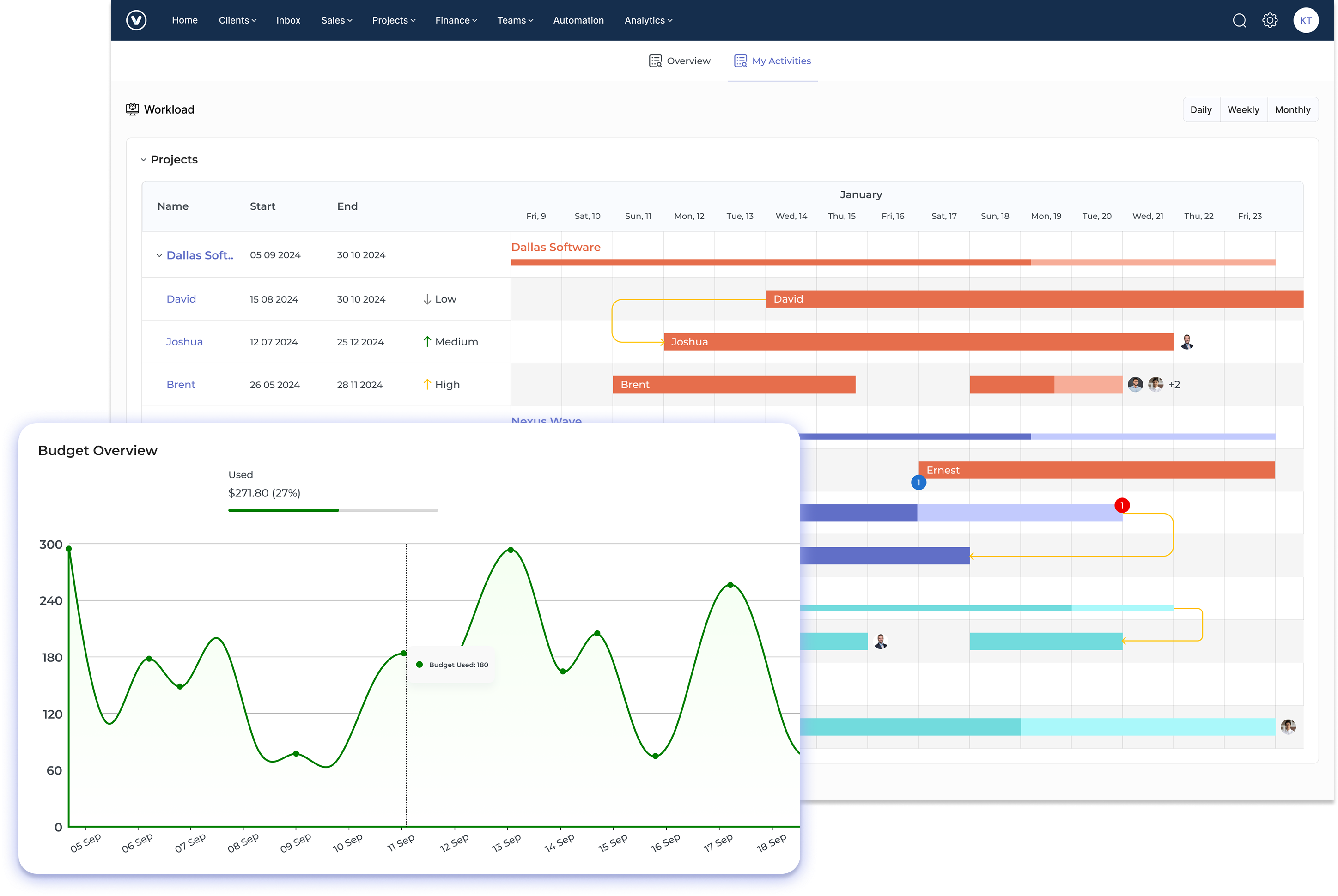
Choose an ERP solution that offers specialized features for consulting firms, including project management, resource allocation, time tracking, and professional services automation. The system should understand and support consulting-specific workflows along with billing models.
Integration Capabilities
Ensure the ERP system can integrate seamlessly with your existing tools, including CRM, accounting software, and collaboration platforms. Strong integration capabilities reduce data silos and improve workflow efficiency across your organization.
Cost Structure and ROI
Evaluate the total cost of ownership, including implementation, licensing, maintenance, and training expenses. Consider both immediate costs as well as long-term value, ensuring the investment aligns with your budget and expected returns.
Implementation Timeline
Consider how quickly you need the system operational. Some ERP solutions offer rapid deployment options, while others require extensive customization. Factor in your team’s availability and project deadlines when choosing.
User Experience and Adoption
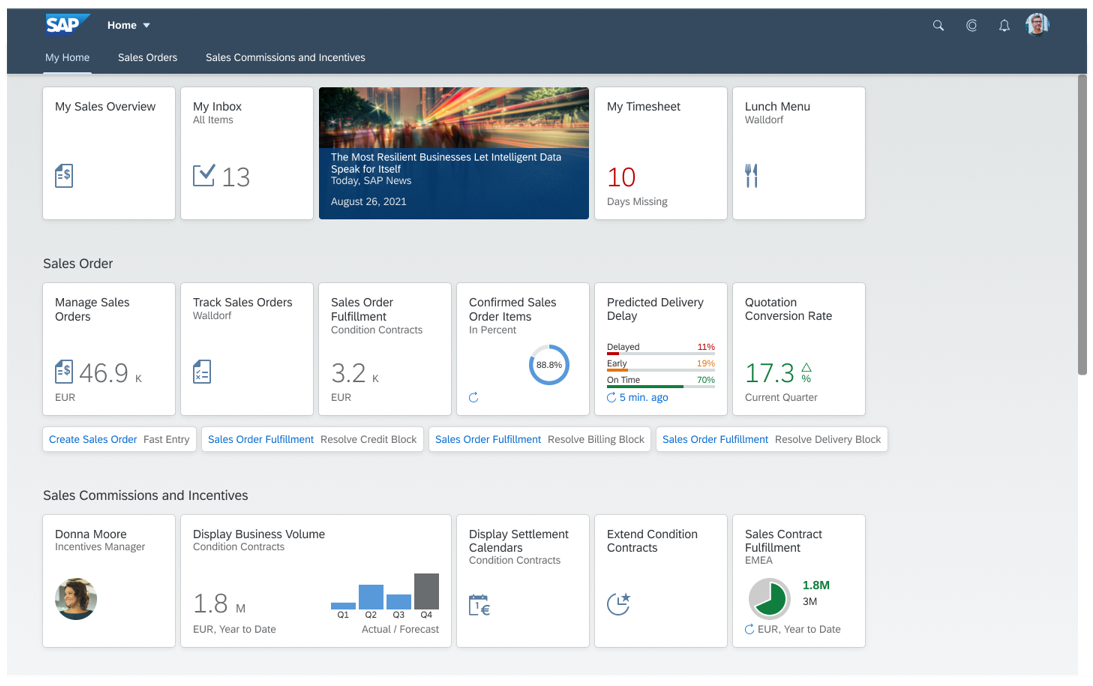
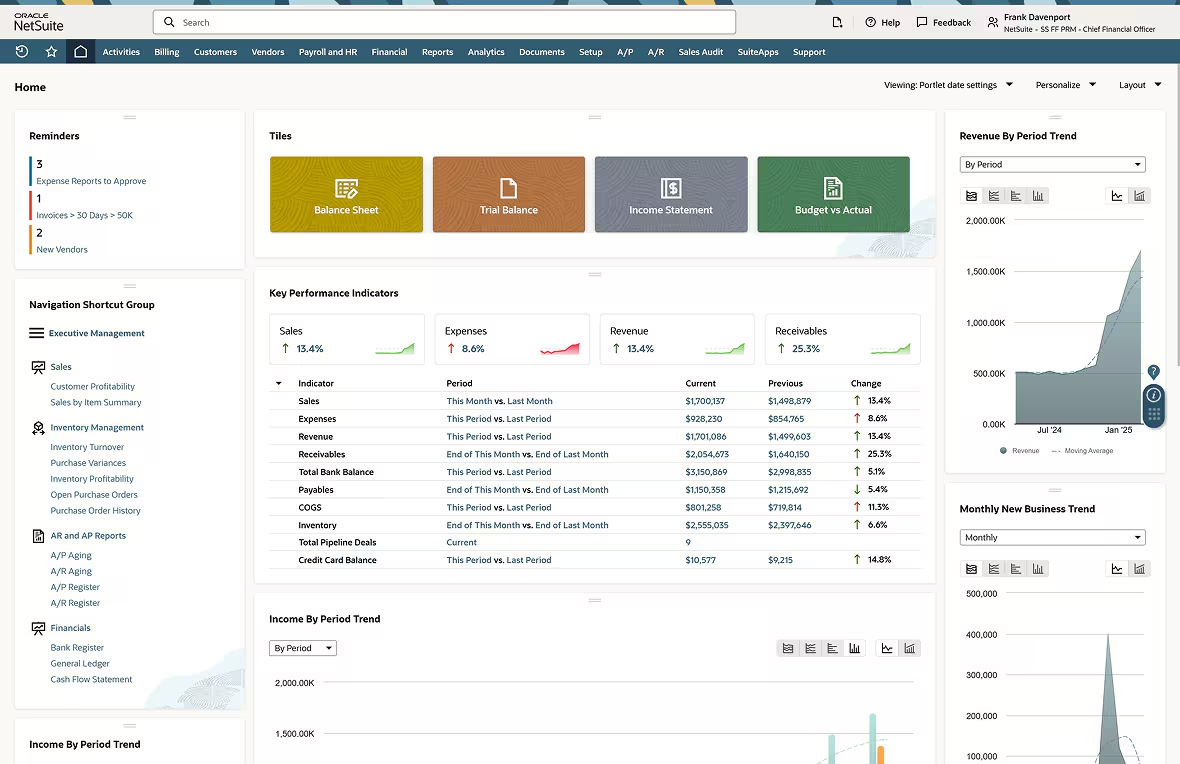
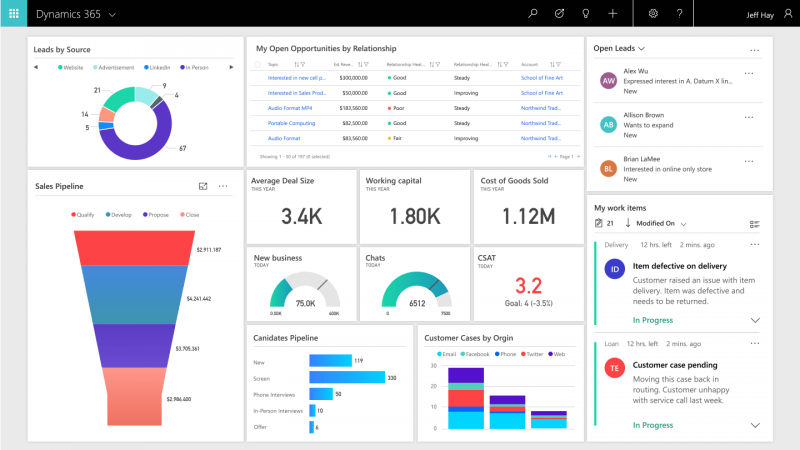
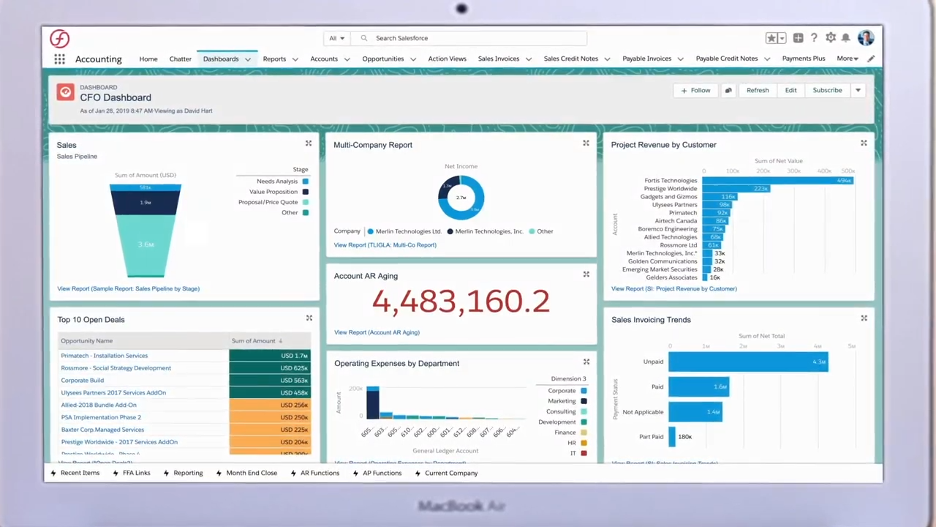
Select an ERP with an intuitive interface that your team can easily learn and use. Strong user adoption is crucial for success, so prioritize solutions with modern, user-friendly designs and mobile accessibility.